
OxyContin For Pain Treatment
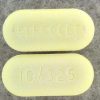
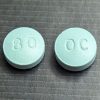
Price range: $150.00 through $1,600.00
What Is OxyContin and How Does It Work for Pain?
OxyContin For Pain Treatment. OxyContin is a brand-name prescription medication containing oxycodone hydrochloride in an extended-release formulation. It belongs to a class of drugs called opioid analgesics and is used to manage severe and persistent pain that requires daily, around-the-clock, long-term opioid treatment.
Mechanism of Action
OxyContin works by binding to mu-opioid receptors in the brain and spinal cord with high selectivity. This binding action:
-
Blocks pain signals traveling to the brain
-
Alters pain perception
-
Provides continuous pain relief over 12 hours due to its extended-release formulation
Oxycodone is a full agonist at the mu receptor, meaning it has a larger effect at higher dosages . The extended-release technology ensures that the medication is released slowly into the body, maintaining steady pain control throughout the dosing interval.
OxyContin for Pain Treatment: Complete Medical Guide
What Is OxyContin and How Does It Work for Pain?
OxyContin For Pain Treatment. OxyContin is a brand-name prescription medication containing oxycodone hydrochloride in an extended-release formulation. It belongs to a class of drugs called opioid analgesics and is used to manage severe and persistent pain that requires daily, around-the-clock, long-term opioid treatment.
Mechanism of Action
OxyContin works by binding to mu-opioid receptors in the brain and spinal cord with high selectivity. This binding action:
-
Blocks pain signals traveling to the brain
-
Alters pain perception
-
Provides continuous pain relief over 12 hours due to its extended-release formulation
Oxycodone is a full agonist at the mu receptor, meaning it has a larger effect at higher dosages . The extended-release technology ensures that the medication is released slowly into the body, maintaining steady pain control throughout the dosing interval. OxyContin For Pain Treatment
FDA-Approved Indications
OxyContin is indicated for :
| Population | Indication |
|---|---|
| Adults | Management of severe and persistent pain that requires an opioid analgesic that cannot be adequately treated with alternative options, including immediate-release opioids |
| Opioid-tolerant pediatric patients (11 years and older) | Patients already receiving and tolerating a minimum daily opioid dose of at least 20 mg oxycodone orally or its equivalent |
Limitations of Use
-
Because of the risks of addiction, abuse, misuse, overdose, and death, reserve OxyContin for patients for whom alternative treatment options are ineffective, not tolerated, or would be otherwise inadequate
-
OxyContin is NOT indicated as an as-needed (prn) analgesic
-
Not for use in children under 11 years of age who are not already using opioid pain medicines regularly
OxyContin Formulations and Strengths
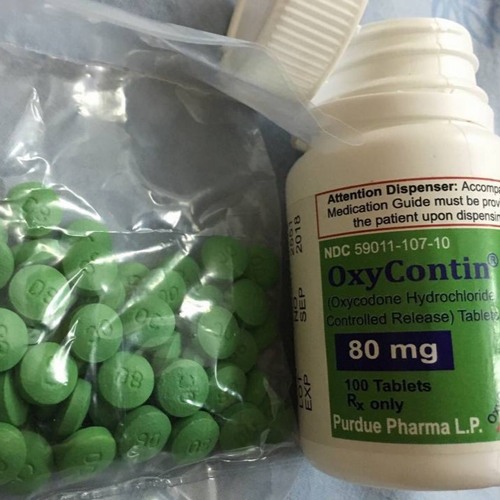
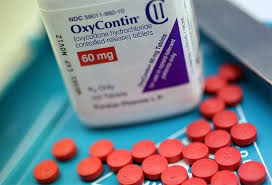
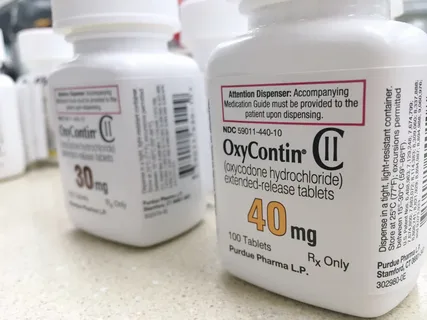
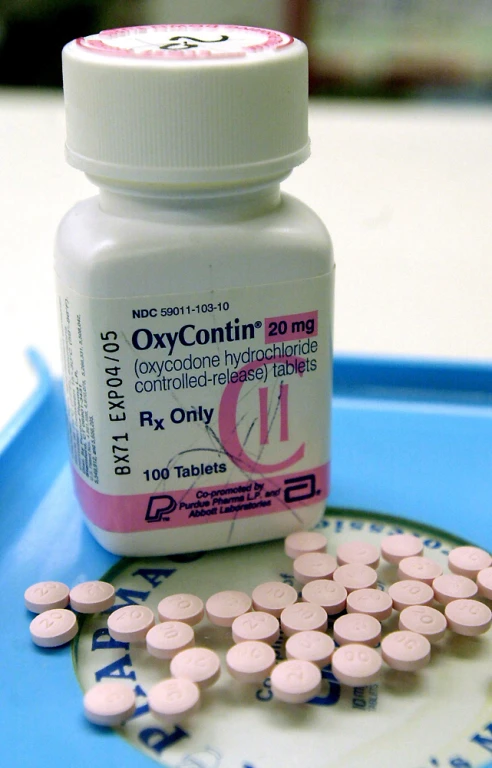
OxyContin is available as extended-release tablets in multiple strengths :
| Strength | Tablet Description |
|---|---|
| 10 mg | Round, convex tablets (varies by manufacturer) |
| 15 mg | Round, convex tablets |
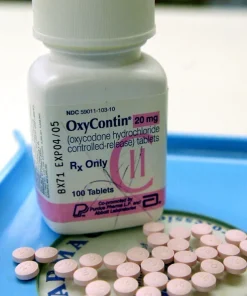
| 20 mg | Round, convex tablets |
| 30 mg | Round, convex tablets |
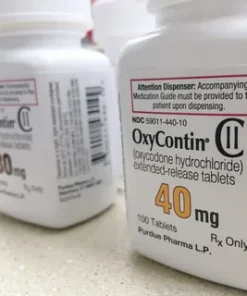
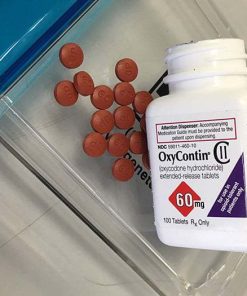
| 40 mg | Yellow, round, convex tablets marked OC on one side and 40 on the other |
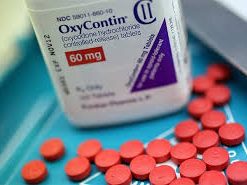
| 60 mg | Round, convex tablets |
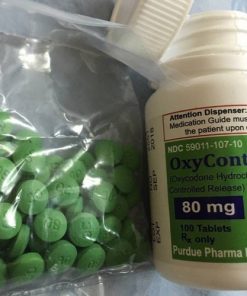
| 80 mg | Round, convex tablets |
⚠️ Critical Warning: OxyContin 60 mg and 80 mg tablets, a single dose greater than 40 mg, or a total daily dose greater than 80 mg are only for use in patients in whom tolerance to an opioid of comparable potency has been established.
OxyContin Dosage Guidelines for Pain Treatment
Who Can Prescribe OxyContin? OxyContin For Pain Treatment
OxyContin should be prescribed only by healthcare professionals who are knowledgeable about the use of extended-release/long-acting opioids and how to mitigate the associated risks.
General Dosing Principles
-
Use the lowest effective dosage for the shortest duration of time consistent with individual patient treatment goals
-
Initiate the dosing regimen for each patient individually, taking into account:
-
Patient’s underlying cause and severity of pain
-
Prior analgesic treatment and response
-
Risk factors for addiction, abuse, and misuse
-
-
Respiratory depression can occur at any time during opioid therapy, especially when initiating and following dosage increases
-
OxyContin is administered orally every 12 hours
Opioid-Tolerant Definition
Patients considered opioid-tolerant are those taking, for one week or longer :
-
At least 60 mg oral morphine per day
-
25 mcg transdermal fentanyl per hour
-
30 mg oral oxycodone per day
-
8 mg oral hydromorphone per day
-
25 mg oral oxymorphone per day
-
60 mg oral hydrocodone per day
-
Or an equianalgesic dose of another opioid
Adult Dosing (Opioid-Naïve Patients)
| Patient Type | Recommended Starting Dose |
|---|---|
| Opioid-naïve adults | 10 mg tablets orally every 12 hours |
Pediatric Dosing (11 Years and Older)
For use only in pediatric patients 11 years and older:
-
Already receiving and tolerating opioids for at least 5 consecutive days
-
With a minimum of 20 mg per day of oxycodone or its equivalent for at least two days immediately preceding dosing with OxyContin
See full prescribing information for conversion from other opioids to OxyContin.
Special Populations
Geriatric Patients :
-
In debilitated, opioid non-tolerant geriatric patients, initiate dosing at one-third to one-half the recommended starting dosage
-
Titrate carefully
Patients with Hepatic Impairment :
-
Plasma concentration may be increased
-
Initiate dosing at one-third to one-half the recommended starting dosage (for example, a total daily dose of 10 mg orally in opioid-naïve patients)
-
Titrate carefully based on clinical situation
Patients with Renal Impairment :
-
The recommended adult starting dose should be reduced by 50%
-
Each patient should be titrated to adequate pain control according to their clinical situation
Administration Instructions
-
Take OxyContin exactly as prescribed by your healthcare provider
-
Take your prescribed dose every 12 hours at the same time every day
-
Swallow OxyContin tablets whole, one tablet at a time
-
Take with enough water to ensure complete swallowing immediately after placing in mouth
-
Do NOT cut, break, chew, crush, dissolve, snort, or inject OxyContin—this may cause you to overdose and die by releasing the full 12-hour dose at once
-
Do not pre-soak, lick, or wet the tablet before placing in your mouth to avoid choking
-
If you miss a dose, take your next dose at your usual time—do not double up
H3: Breakthrough Pain Management
You may be given a short-acting oxycodone (usually a liquid) for breakthrough pain between doses:
-
Allow approximately 30 minutes for a dose of short-acting oxycodone to take effect
-
If you regularly need more than two or three breakthrough doses a day, tell your doctor or nurse—your long-acting dose may need adjusting
Discontinuation and Tapering
-
Do NOT rapidly reduce or abruptly discontinue OxyContin in a physically-dependent patient
-
Rapid reduction or abrupt discontinuation can result in:
-
Serious withdrawal symptoms
-
Uncontrolled pain
-
Suicide
-
-
Prior to starting treatment, a strategy for ending treatment should be discussed to minimize addiction and withdrawal risks
-
When a patient no longer requires therapy, taper the dose gradually to prevent withdrawal symptoms
Benefits of OxyContin for Pain Management
When properly prescribed and monitored, OxyContin can provide significant benefits :
| Benefit | Description |
|---|---|
| Long-lasting relief | Only needs to be taken twice daily (every 12 hours) |
| Steady pain control | Extended-release formulation provides consistent pain relief throughout the dosing interval |
| Abuse-deterrent formulation | Tablet is difficult to crush or break; forms a thick, sticky gel if mixed with water, making it difficult to inject |
| Less likely to cause itching | Compared to other opioids like morphine |
| Generic available | Generic oxycodone HCl extended-release is available |
Side Effects of OxyContin
Common Side Effects (>5% of patients)
| System | Side Effects |
|---|---|
| Gastrointestinal | Constipation, nausea, vomiting, dry mouth |
| Nervous system | Somnolence (sleepiness), dizziness, headache, tiredness |
| General | Asthenia (weakness), sweating, pruritus (itching) |
Other Common Side Effects
-
Confusion
-
Flushing, red eyes
-
Insomnia, anxiety, abnormal dreams
-
May lower blood pressure, increasing fall risk
-
May increase seizure risk in people with seizure disorders
Nausea and Constipation Management
Nausea/Vomiting:
-
Taking the medicine with food may help
-
You may be given anti-sickness medication (anti-emetic) to take regularly
-
Symptoms usually fade within 2-3 days as the body adjusts
-
If persistent, speak to your doctor—alternatives are available
Constipation:
-
You may be prescribed a laxative to take regularly
-
Maintain good fluid intake
-
Stay active
-
Include fiber in your diet
Sedation and Drowsiness
-
Feeling more sleepy than normal is common in the first few days or after dose increases
-
This usually resolves over a few days as your body adjusts
-
Avoid driving and operating machinery if affected
-
If sleepiness persists or prevents normal activities, seek medical advice promptly
Serious Adverse Effects (Require Immediate Medical Attention)
| System | Serious Effects |
|---|---|
| Respiratory | Life-threatening respiratory depression (slow/shallow breathing), shortness of breath |
| Cardiovascular | Fast heartbeat, chest pain, hypotension, fainting |
| Allergic | Swelling of face, tongue, or throat |
| Neurologic | Extreme drowsiness, confusion, agitation, hallucinations, high body temperature, stiff muscles, trouble walking |
| Psychiatric | Mental status changes, coma |
| Gastrointestinal | Risk of paralytic ileus (bowel obstruction) |
Get emergency medical help or call 911 right away if you experience any of these symptoms.
Critical Warnings and Safety Information
FDA BLACK BOX WARNINGS (Strongest Warning)
1. Addiction, Abuse, and Misuse
-
OxyContin exposes users to risks of addiction, abuse, and misuse, which can lead to overdose and death
-
Assess patient’s risk before prescribing and reassess regularly
-
Even if you take your dose correctly as prescribed, you are at risk for opioid addiction, abuse, and misuse
2. Life-Threatening Respiratory Depression
-
Serious, life-threatening, or fatal respiratory depression may occur
-
Monitor closely, especially upon initiation or following a dosage increase
-
Most at risk during first 24-72 hours of treatment
-
Instruct patients to swallow tablets whole to avoid exposure to a potentially fatal dose
3. Accidental Ingestion
-
Accidental ingestion of OxyContin, especially by children, can result in a fatal overdose
-
Store securely, out of sight and reach of children
4. Neonatal Opioid Withdrawal Syndrome
-
Prolonged use during pregnancy can result in life-threatening withdrawal in newborns
-
Ensure management by neonatology experts will be available at delivery
5. Risks from Concomitant Use with Benzodiazepines or Other CNS Depressants
-
Concomitant use may result in profound sedation, respiratory depression, coma, and death
-
Reserve concomitant prescribing for patients with no alternative treatment options
6. REMS Program Requirement
-
Healthcare providers are strongly encouraged to complete a REMS-compliant education program
-
Counsel patients and caregivers on serious risks, safe use, and the importance of reading the Medication Guide
7. CYP3A4 Interaction
-
Concomitant use with CYP3A4 inhibitors (or discontinuation of CYP3A4 inducers) can result in a fatal overdose of oxycodone
Opioid Use Disorder (OUD) Risk
Repeated use of OxyContin may lead to Opioid Use Disorder. Risk factors include:
-
Personal or family history of substance use disorders (including alcohol)
-
Current tobacco users
-
Personal history of mental health disorders (major depression, anxiety, personality disorders)
Before and during treatment, patients should be informed about the risks and signs of OUD.
Contraindications
Do NOT take OxyContin if you have: OxyContin For Pain Treatment
| Category | Specific Conditions |
|---|---|
| Respiratory | Significant respiratory depression, severe asthma, trouble breathing, severe chronic obstructive lung disease, severe bronchial asthma |
| Gastrointestinal | Bowel blockage, paralytic ileus, narrowing of stomach or intestines, acute abdomen, delayed gastric emptying |
| Allergic | Hypersensitivity to oxycodone or any ingredients |
| Hepatic | Moderate to severe hepatic impairment |
| Other | Cor pulmonale, elevated carbon dioxide levels |
Sleep-Related Breathing Disorders
Opioids can cause:
-
Central sleep apnea (CSA)
-
Sleep-related hypoxemia
If CSA occurs, consider decreasing the total opioid dosage. Risk is dose-dependent.
Opioid-Induced Hyperalgesia (OIH)
OIH occurs when an opioid analgesic paradoxically causes an increase in pain or sensitivity to pain. If OIH is suspected, carefully consider appropriately decreasing the dose or opioid rotation. OxyContin For Pain Treatment
Adrenal Insufficiency
-
Long-term use may cause adrenal insufficiency
-
If diagnosed, treat with physiologic replacement of corticosteroids and wean patient off the opioid
Severe Hypotension
-
Regularly evaluate during dosage initiation and titration
-
Avoid use in patients with circulatory shock
Risks with Head Injury or Increased Intracranial Pressure
-
Monitor for sedation and respiratory depression
-
Avoid use in patients with impaired consciousness or coma
Drug Interactions
| Interacting Drug Class | Risk | Intervention |
|---|---|---|
| CNS Depressants (benzodiazepines, alcohol, sedatives, muscle relaxants, antipsychotics) | Profound sedation, respiratory depression, coma, death | If coadministration required, use lowest effective dose and shortest duration; monitor closely |
| CYP3A4 Inhibitors (erythromycin, ketoconazole, ritonavir) | Increased oxycodone concentration → fatal overdose | Monitor; consider dose adjustment |
| CYP3A4 Inducers (rifampin, carbamazepine, phenytoin) | Decreased oxycodone concentration → reduced efficacy or withdrawal | Monitor; consider dose adjustment |
| Serotonergic Drugs (SSRIs, SNRIs, MAOIs, triptans) | Serotonin syndrome (agitation, hallucinations, fast heart rate, fever, muscle rigidity) | Monitor; discontinue OxyContin if suspected |
| MAOIs | Can potentiate opioid effects | Avoid concomitant use or within 14 days of stopping MAOI |
| Mixed Agonist/Antagonist Opioids (buprenorphine, pentazocine) | May reduce analgesic effect or precipitate withdrawal | Avoid concomitant use |
| Diuretics | Reduced diuretic efficacy | Monitor |
| Anticholinergic Drugs | Increased risk of urinary retention, severe constipation | Monitor |
Food Interactions
AVOID:
-
Grapefruit juice
-
Grapefruit products
-
Seville oranges (used in orange marmalade)
-
Tangelos
Opioid Overdose Prevention and Naloxone
Naloxone Access
Discuss naloxone (opioid overdose reversal agent) with patients and caregivers:
-
Assess each patient’s need for access to naloxone when initiating and renewing treatment
-
Consider prescribing naloxone based on risk factors:
-
History of opioid use disorder
-
Prior opioid overdose
-
Concomitant use of CNS depressants
-
Household members (including children) at risk for accidental ingestion
-
Patient Education on Naloxone
-
How to treat with naloxone in the event of an opioid overdose
-
Tell family and friends about naloxone and keep it accessible
-
Read Patient Information before an opioid emergency happens
Overdose Symptoms
-
Extreme drowsiness or dizziness
-
Slow heartbeat or breathing
-
Seizures
-
Trouble breathing
-
Cold, clammy skin
-
Blue lips and fingernails
If overdose is suspected: Call 911 immediately.
Safe Use and Storage Guidelines OxyContin For Pain Treatment
Safe Use
-
Take exactly as prescribed—do not change dose without consulting your healthcare provider
-
Use the lowest dose possible for the shortest time needed
-
Do not drink alcohol—increases risk of liver damage and fatal respiratory depression
-
Avoid alcohol within one hour of taking your dose
-
Do not drive or operate heavy machinery until you know how OxyContin affects you
-
Do not share your medication with anyone—it’s dangerous and against the law
-
Never give anyone else your OxyContin—they could die from taking it
-
Selling or giving away OxyContin is against the law
Proper Storage
-
Store securely, out of sight and reach of children
-
Keep in a location not accessible by others, including visitors
-
Store in original container to protect from light and below 25°C
-
These medications can be dangerous if taken by those not prescribed for them
Disposal of Unused Medication
-
If a drug take-back option is not readily available, promptly dispose of expired, unwanted, or unused OxyContin by flushing down the toilet
-
Tablets or liquids no longer needed should be returned to a pharmacy
-
Visit www.fda.gov/drugdisposal for additional information
Withdrawal Symptoms
Withdrawal Symptoms
Abrupt discontinuation in a physically dependent person may lead to: OxyContin For Pain Treatment
| Category | Symptoms |
|---|---|
| Early symptoms | Restlessness, pupil dilation, watery eyes, runny nose, sweating, yawning |
| Later symptoms | Muscle aches, insomnia, irritability, anxiety, weakness, abdominal cramps, nausea, vomiting, diarrhea, increased blood pressure/heart rate |
Neonatal Withdrawal
Babies born to mothers physically dependent on OxyContin will also be physically dependent and may experience life-threatening withdrawal if not recognized and treated.
Special Populations
Pregnancy Considerations
-
Opioids cross the placental barrier
-
Prolonged use may result in neonatal opioid withdrawal syndrome (life-threatening if not recognized)
-
Do not use during pregnancy unless benefits outweigh risks
Breastfeeding Considerations
-
Oxycodone is excreted into breast milk
-
Not recommended during treatment—may harm your baby
Pediatric Use
-
Approved for opioid-tolerant patients 11 years and older
-
Pediatric patients must already be receiving and tolerating opioids
-
Extended-release opioids may be useful because they are taken only once or twice daily rather than every 4-6 hours
Geriatric Use
-
Dose adjustment not usually necessary in elderly patients
-
Clearance is only slightly reduced compared to younger adults
-
Debilitated, opioid non-tolerant geriatric patients should start at one-third to one-half the recommended dose
Use in Non-Malignant Pain
-
Opioids are not first-line therapy for chronic non-malignant pain
-
Not recommended as the only treatment
-
Types of chronic pain alleviated by strong opioids include chronic osteoarthritic pain and intervertebral disc disease
-
Should be part of a comprehensive treatment program
Opioid REMS (Risk Evaluation and Mitigation Strategy)
To ensure benefits outweigh risks, the FDA has required a REMS for opioid analgesics.
Healthcare providers are strongly encouraged to:
-
Complete a REMS-compliant education program
-
Counsel patients and/or caregivers with every prescription on safe use, serious risks, storage, and disposal
-
Emphasize the importance of reading the Medication Guide every time it’s dispensed
Patient Tips for Taking OxyContin
| Tip | Details |
|---|---|
| With or without food | OxyContin may be taken with or without food |
| Swallowing | Swallow tablets whole, one at a time, with a big glass of water |
| Dosing adjustments | Over time, your dosage may need adjusting; talk to your doctor if pain is no longer controlled |
| Regular review | Talk to your doctor regularly about the need for continued treatment |
| Do not manipulate | Do not cut, break, crush, chew, or dissolve—this can cause fatal dose |
| Driving | Do not drive if OxyContin impairs you |
| Discontinuation | Do not stop suddenly; your doctor will explain a tapering schedule |
| Alcohol | Avoid alcohol entirely |
| Blood pressure | Take your time when standing to avoid dizziness |
FAQs About OxyContin for Pain Treatment
Is OxyContin the same as oxycodone?
OxyContin is a brand name for extended-release oxycodone . Generic versions are available (oxycodone HCl extended-release). Immediate-release oxycodone is also available under different brand names.
How long does OxyContin take to work?
Peak concentrations are reached within 5 hours . The medication is designed to provide delivery over 12 hours.
How long does OxyContin last?
OxyContin provides pain relief for 12 hours and should be taken every 12 hours .
Is OxyContin addictive?
Yes, OxyContin has a high potential for addiction, abuse, and misuse . It is classified as a Schedule II controlled substance. When taken exactly as prescribed under medical supervision, addiction risk is managed but still present.
Can I drink alcohol while taking OxyContin?
No. Alcohol combined with OxyContin increases the risk of severe drowsiness, respiratory depression, coma, and death. Avoid alcohol entirely.
Can I drive while taking OxyContin?
OxyContin can make you sleepy, dizzy, or lightheaded. Do not drive or operate machinery until you know how OxyContin affects you. Once you are used to the medication and do not feel sleepy, you may be able to drive, but carry evidence that it has been prescribed.
What should I do if I miss a dose?
Take your next dose at your usual time. Do not take a double dose. If you vomit and bring up the medicine within 4 hours of taking it, take another dose as soon as you feel better.
Is OxyContin only used at the end of life?
No. OxyContin is given for different types of moderate and severe pain, including cancer pain, chronic osteoarthritic pain, and intervertebral disc disease. It can be taken for as long as needed.
Will OxyContin always relieve my pain completely?
Although OxyContin is a very good painkiller, it is not helpful for all types of pain and may require adjustments. Being completely pain-free is not always possible, but bringing pain to comfortable levels is the main priority.
| OxyContin Tablets | 50 Tablets., 100 Tablets., 200 Tablets. |
|---|---|
| Dosage | 10 mg., 15 mg., 20 mg., 30 mg., 40 mg., 60 mg., 80 mg. |
4 reviews for OxyContin For Pain Treatment
Add a review
Related products
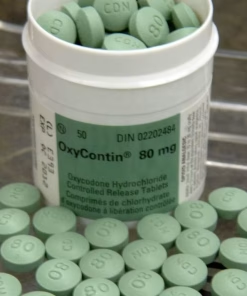
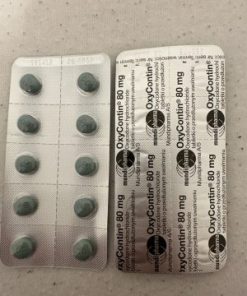
OPIOIDS
ADHD MEDICATIONS
OPIOIDS
OPIOIDS


ADHD MEDICATIONS
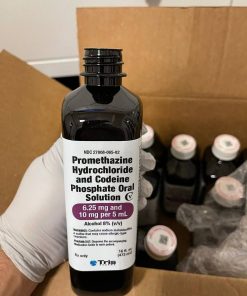
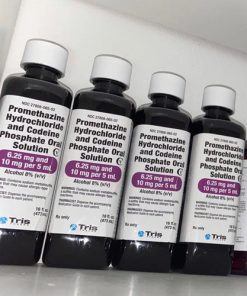
CODEINE COUGH SYRUP
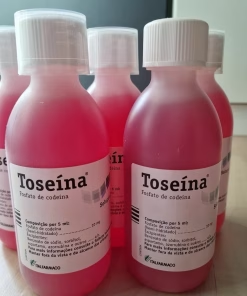
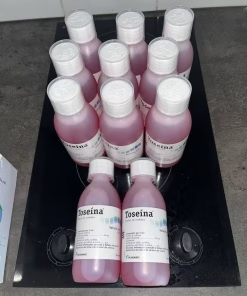
CODEINE COUGH SYRUP
OPIOIDS
Libby Wahl –
Trystan understood exactly what I was confused about and had an answer and how to fix it right away.
Meghan Singer –
Very helpful chat agent. Saved a ton on my cat’s prescription.
Michael Strumsky –
Very helpful. Answered all my questions.
Very satisfied. Thank you.
L Harmon –
Tristan was very helpful and able to answer all of my questions. Give him an AT TA BOY.