
Regenerative Solutions Peptides: A Comprehensive Overview
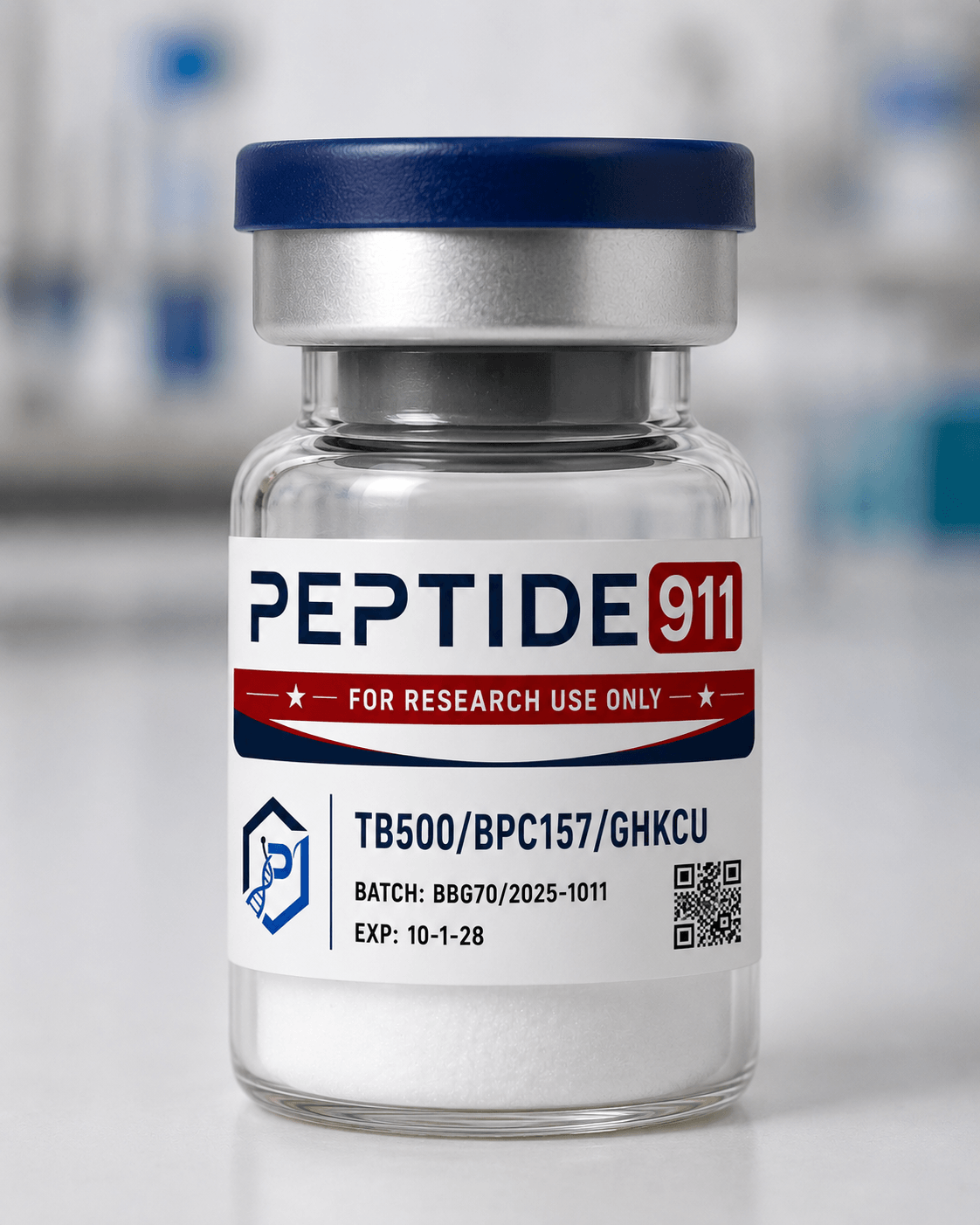
Regenerative solutions peptides represent a cutting-edge class of therapeutic agents designed to harness the body’s natural signaling mechanisms to repair, restore, and rejuvenate tissues at the cellular level.
What Are Regenerative Solutions Peptides?
Regenerative solutions peptides are short chains of amino acids that act as precision signaling molecules, directing cellular processes involved in tissue repair, immune modulation, and metabolic regulation.
Unlike traditional pharmaceuticals that often manage symptoms, these peptides are designed to stimulate the body’s intrinsic healing mechanisms, making them a cornerstone of modern regenerative medicine.
The field of regenerative medicine aims to “use the body’s own structure to restore the youthfulness of tissues and skin. Peptides play a pivotal role in this process due to their ability to:
-
Promote cell proliferation and collagen synthesis
-
Modulate immune responses and reduce inflammation
-
Support neuroprotection and metabolic optimization
-
Enhance wound healing and tissue regeneration
How Peptides Work in Regenerative Medicine
Cellular Signaling and Communication
Peptides function as messengers in the body, binding to specific receptors on cell surfaces to trigger cascades of biological activity. Their selectivity allows them to target specific tissues with minimal off-target effects, making them attractive candidates for therapeutic applications.
Mechanisms of Action
Key mechanisms through which regenerative peptides operate include:
| Mechanism | Function |
|---|---|
| Collagen Stimulation | Activate fibroblasts to produce collagen and elastin, improving skin firmness and elasticity |
| Angiogenesis | Promote the formation of new blood vessels, enhancing nutrient and oxygen delivery to healing tissues |
| Inflammation Modulation | Regulate pro- and anti-inflammatory cytokines to create an optimal healing environment |
| Antimicrobial Activity | Combat infection while supporting tissue repair, particularly valuable in wound healing |
Bioavailability and Delivery Challenges
One of the primary challenges with peptide therapeutics is their high molecular weight, which impedes skin penetration and limits bioavailability. Recent innovations have addressed this through:
-
Extracellular vesicle (EV) delivery: EVs serve as nanocarriers that protect peptides and enhance their penetration
-
Oral dissolving strips: Non-invasive sublingual delivery for rapid absorption
-
3D-printable scaffolds: Incorporating bioactive peptides into biomedical implants for sustained release
Key Regenerative Peptides and Their Applications
Popular Peptides in Regenerative Medicine
| Peptide | Primary Application | Key Benefits |
|---|---|---|
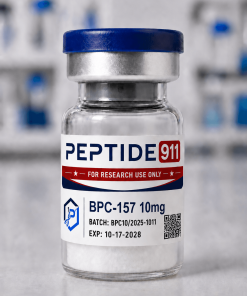
| BPC-157 | Tissue repair and gut health | Targets inflammation, supports tissue regeneration |
| GHK-Cu | Skin rejuvenation and collagen synthesis | Stimulates collagen and elastin for firmer skin and thicker hair |
| CJC-1295 + Ipamorelin | Muscle tone and rejuvenation | Promotes youthful vitality and deeper sleep |
| MOTS-C | Metabolic resilience and energy | Activates cellular performance and stamina |
| TB-500 | Tissue repair and healing | Supports wound healing and tissue regeneration |
| Thymosin Alpha-1 | Immune modulation | Supports immune function and tissue repair |
Emerging Research Areas
1. Orthopedic Regeneration
Peptide-based therapies are showing promise in orthopedic applications, particularly for infection control and wound healing. Research indicates that peptide therapies can provide moderate improvements in pain reduction and functional recovery, with potential synergistic effects when combined with other regenerative approaches.
2. Bone Regeneration
Peptide amphiphiles (PAs) represent a breakthrough in bone regenerative medicine. These self-assembling molecules form nanofibers that mimic the structure and bioactivity of natural extracellular matrices.
When implanted, they create a scaffold that directs local stem cells to become bone-forming osteoblasts, with the material naturally biodegrading over time.
This approach shows particular promise for spinal fusion surgeries, potentially reducing the need for high doses of growth factors and their associated side effects.
3. Skin Regeneration and Aesthetics
Bioactive peptides are widely used in medical aesthetics to:
-
Promote scarless healing and skin rejuvenation
-
Regulate pigmentation
-
Stimulate hair growth
-
Boost collagen crosslinking by up to 450%
Advanced formulations now combine peptides with extracellular vesicles to enhance therapeutic efficacy and improve bioavailability, signaling “a new era for regenerative medicine in cosmetology.
4. Neuroprotection and Longevity
Peptides are being investigated for their potential to support neuroregeneration and healthy aging. Studies highlight their roles in “tissue repair, immune modulation, neuroprotection, and metabolic regulation. Emerging protocols focus on “reversal of chronic diseases, wound healing, longevity, and neuroregeneration.
Innovations in Peptide Delivery
1. Extracellular Vesicle (EV) Delivery
Extracellular vesicles not only possess regenerative properties but also serve as effective carriers for bioactive peptides. This combination addresses the challenge of poor skin penetration while leveraging the therapeutic benefits of both modalities. EVs demonstrate:
-
Anti-inflammatory and bactericidal properties
-
Capacity to promote angiogenesis and optimize collagen alignment
-
Enhanced therapeutic efficacy when combined with peptides
2. Oral Dissolving Strips
Instamed Philippines has introduced a line of oral dissolving peptide strips that offer a non-invasive alternative to injectable peptides. This approach uses InstaRelease Technology for quick absorption, making regenerative peptide therapy more accessible and practical.
3. 3D-Printable Bioactive Materials
Recent research has developed a 3D-printable polycaprolactone-collagen peptides composite filament for biomedical applications. This technology enables the fabrication of customized implants and scaffolds with intrinsic bioactive capabilities, promising for tissue engineering and regenerative medicine.
Market Landscape and Clinical Status
Regulatory and Quality Considerations
Several factors are essential for the clinical translation and market adoption of regenerative peptide solutions:
| Consideration | Importance |
|---|---|
| Standardization | Variability in peptide sourcing and preparation limits clinical consistency |
| Safety and Dosing | Evidence-based protocols are needed to establish optimal dosing regimens |
| Regulatory Approval | Products like BioPlus’s HUGRO have obtained certification under the Modernization of Cosmetics Regulation Act (MoCRA) for U.S. market entry |
| Delivery Optimization | Continued innovation in delivery methods is essential to overcome bioavailability challenges |
Clinical Adoption
Peptide-based therapies are increasingly integrated into clinical practice across multiple specialties:
-
Dermatology and Aesthetics: Products like HydroPeptide’s ReActivate Rx line are available through licensed medical professionals
-
Orthopedics: Peptide therapies are being evaluated as adjunctive treatments alongside PRP and MSCs
-
Regenerative and Functional Medicine: Comprehensive protocols are being developed for chronic disease reversal and longevity
Future Directions
The future of regenerative solutions peptides lies in:
-
Combination Therapies: Synergistic use with extracellular vesicles, stem cells, and biomimetic materials
-
Personalized Medicine: Tailored peptide protocols based on individual genetic and metabolic profiles
-
Advanced Delivery Systems: Nanocarriers, scaffolds, and non-invasive formulations to improve bioavailability
-
Expanded Clinical Evidence: Large-scale trials to establish long-term efficacy and safety across diverse applications
Be the first to review “Regenerative Solutions Peptides”
Related products
PEPTIDES HEALTH AND WELLNESS
PEPTIDES HEALTH AND WELLNESS
PEPTIDES HEALTH AND WELLNESS
PEPTIDES HEALTH AND WELLNESS
PEPTIDES HEALTH AND WELLNESS
PEPTIDES HEALTH AND WELLNESS

PEPTIDES HEALTH AND WELLNESS
PEPTIDES HEALTH AND WELLNESS
Reviews
There are no reviews yet.