
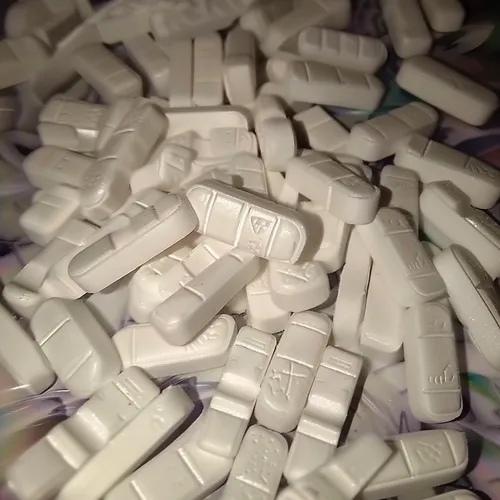
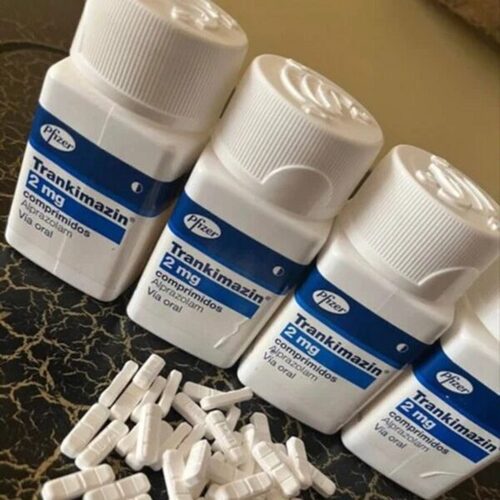
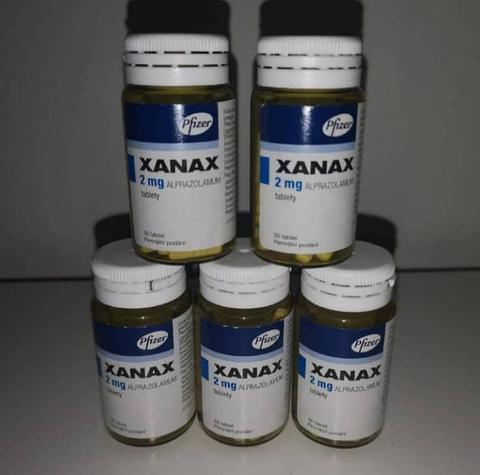
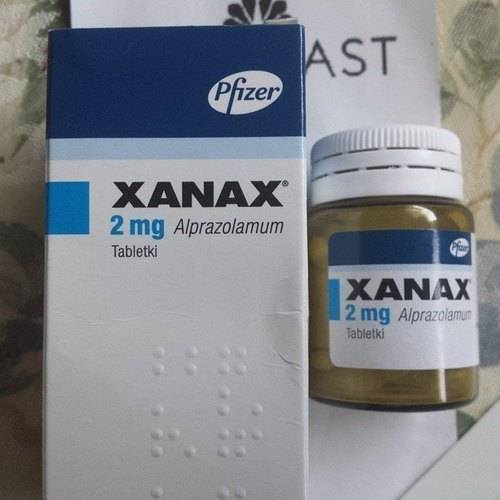
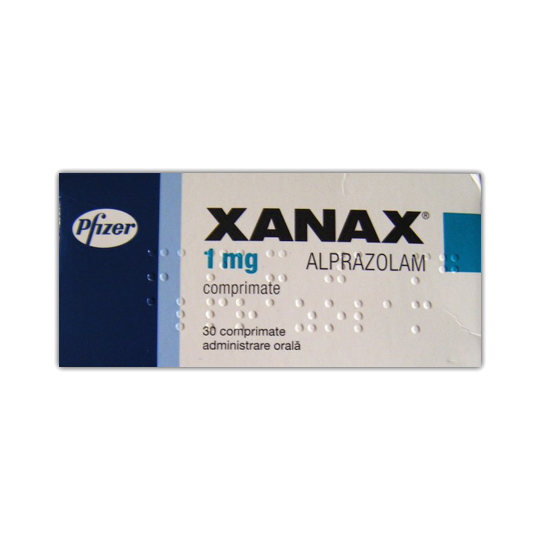
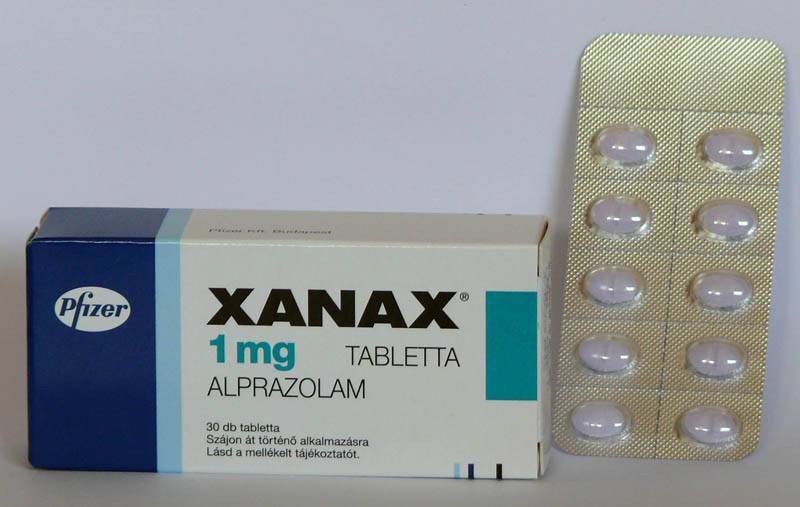
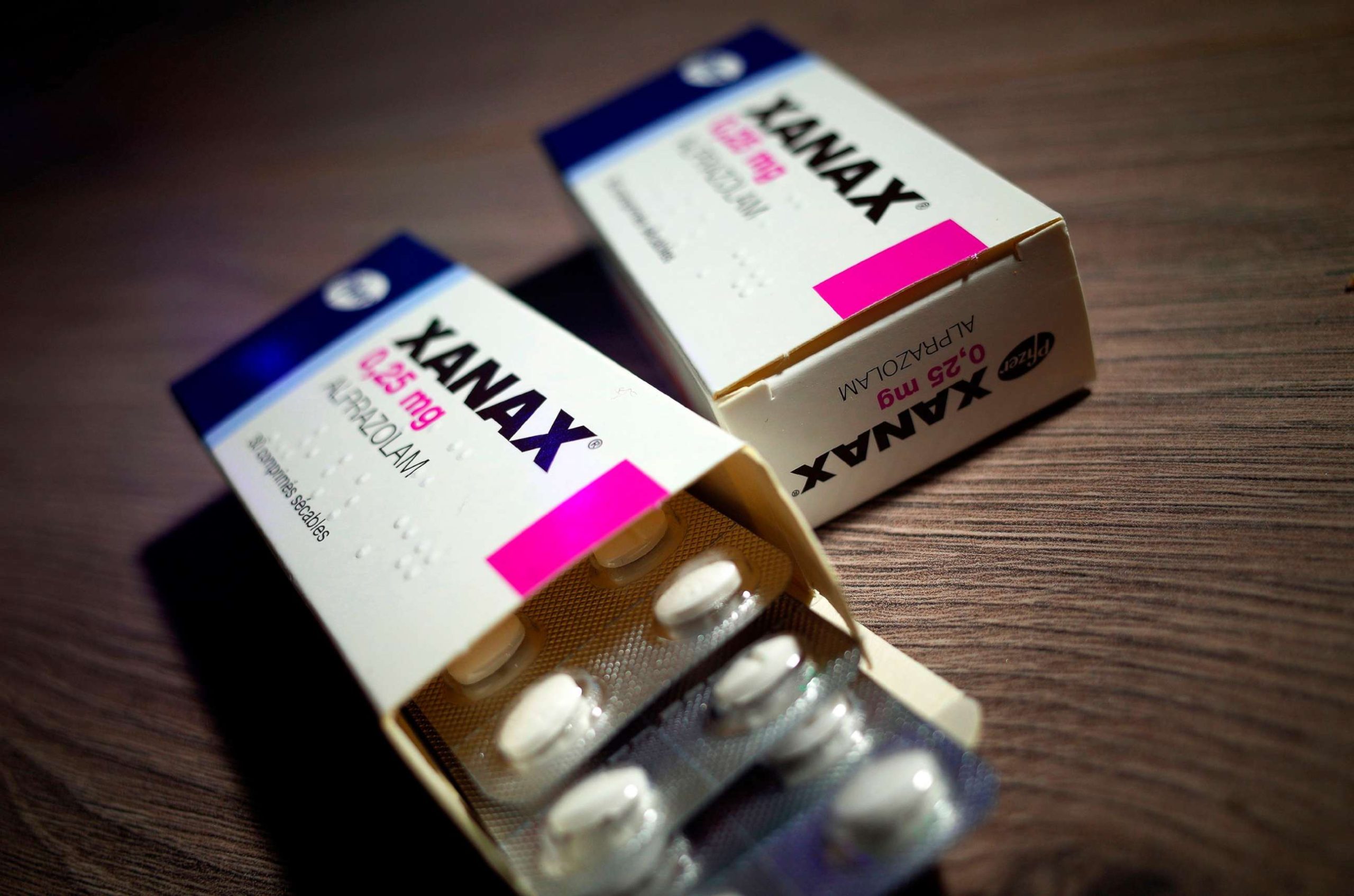
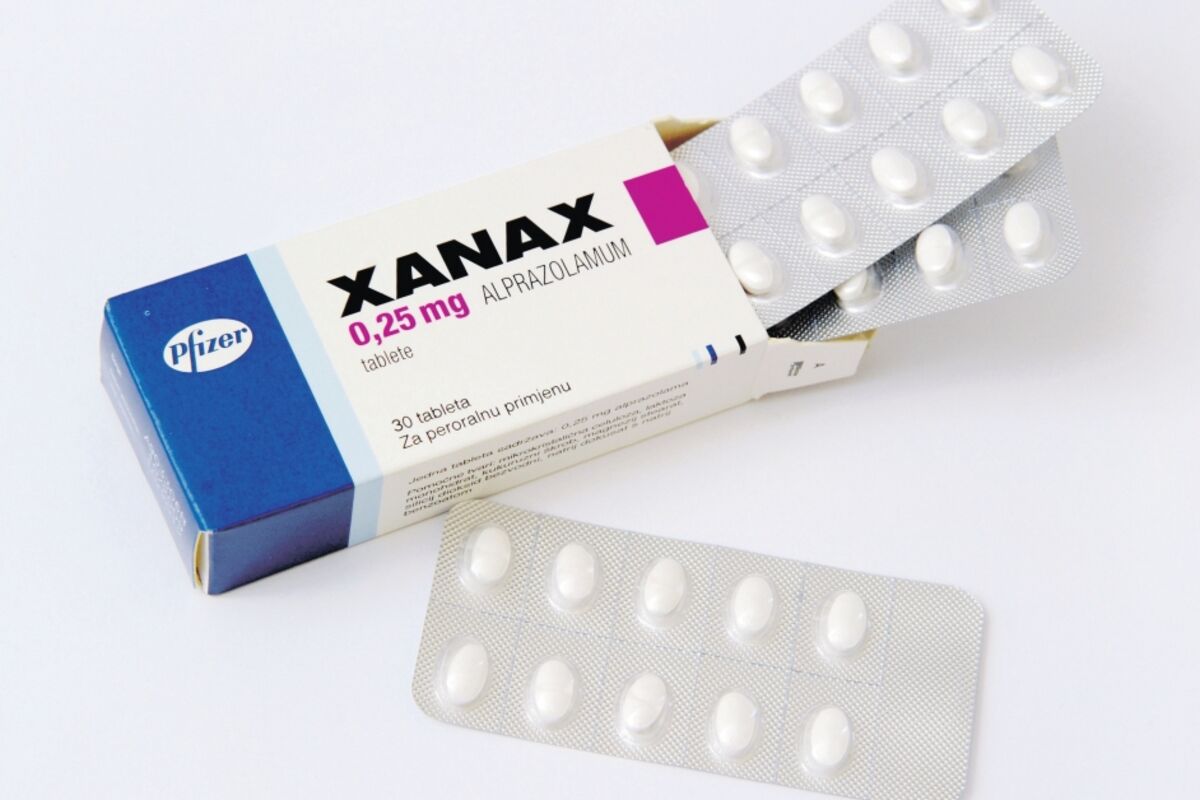
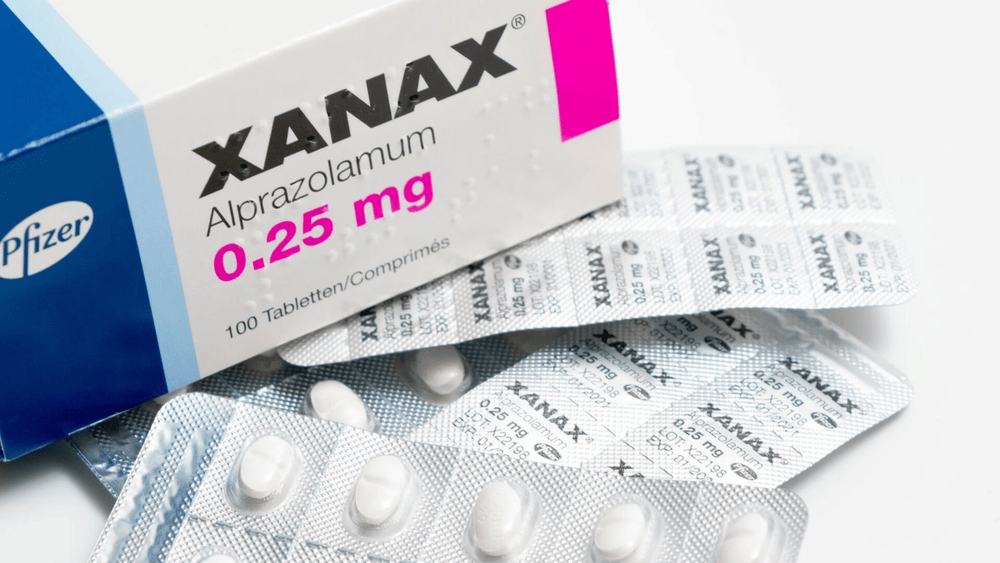
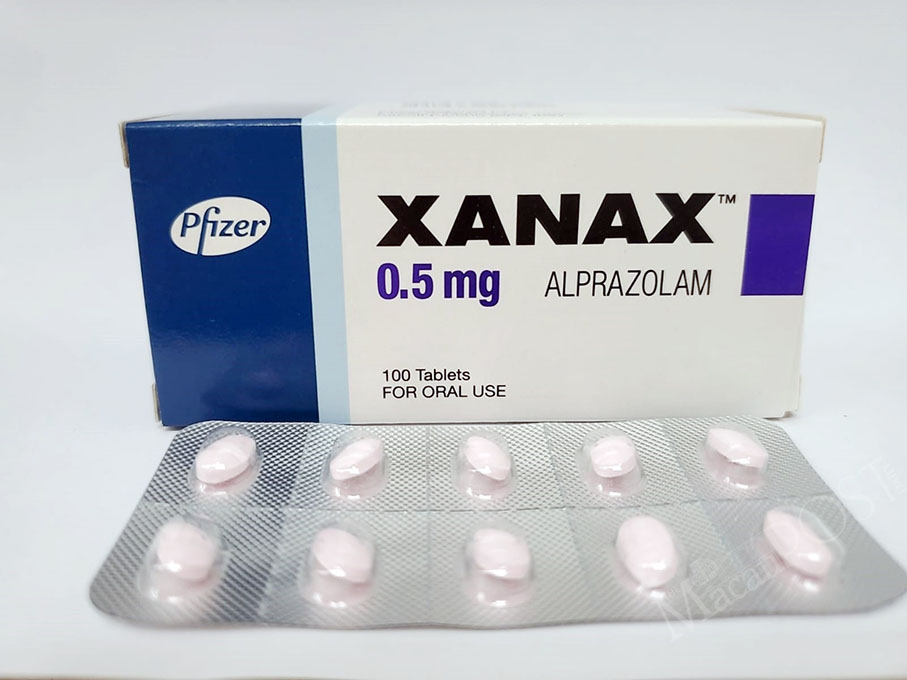

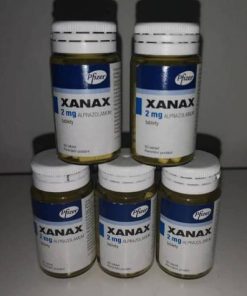
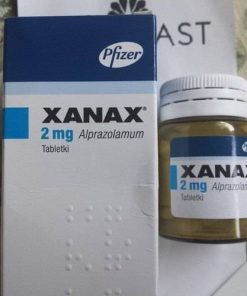
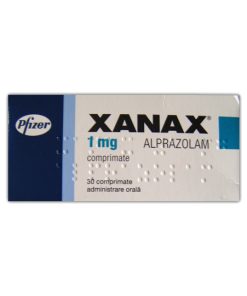
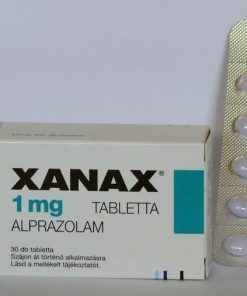
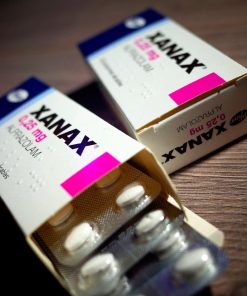
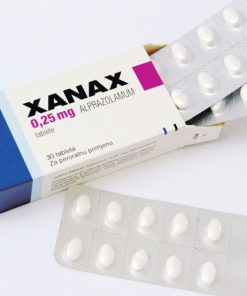
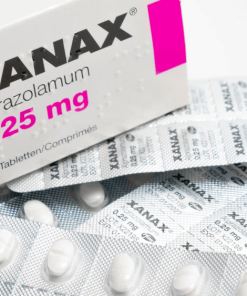
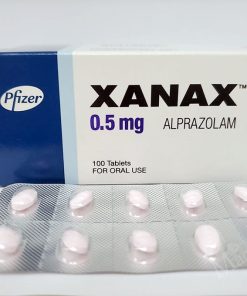
Xanax Alprazolam Tablets
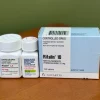
Price range: $125.00 through $1,850.00
Xanax (generic name: alprazolam) is a prescription medicine belonging to the benzodiazepine class. It is a Schedule IV controlled substance (C-IV) due to its potential for abuse and dependence
Description and Chemical Composition
-
Active Ingredient: Alprazolam, a triazolo analog of the 1,4 benzodiazepine class.
-
Chemical Name: 8-chloro-1-methyl-6-phenyl-4H-s-triazolo [4,3-α] [1,4] benzodiazepine.
-
Molecular Formula: C17H13ClN4 (Molecular weight: 308.76).
-
Appearance: Alprazolam is a white crystalline powder, soluble in methanol or ethanol but not appreciably soluble in water at physiological pH.
-
Inactive Ingredients: Tablets contain cellulose, corn starch, docusate sodium, lactose, magnesium stearate, silicon dioxide, and sodium benzoate. Specific tablet colors may include FD&C Yellow No. 6 (0.5 mg) or FD&C Blue No. 2 (1 mg) .
Xanax Alprazolam Tablets.
What are Xanax Alprazolam Tablets?
Xanax Alprazolam Tablets. Xanax (generic name: alprazolam) is a prescription medicine belonging to the benzodiazepine class. It is a Schedule IV controlled substance (C-IV) due to its potential for abuse and dependence. It is manufactured by Pharmacia & Upjohn (a Viatris company) and was initially approved by the U.S. FDA in 1981 .
Description and Chemical Composition
-
Active Ingredient: Alprazolam, a triazolo analog of the 1,4 benzodiazepine class.
-
Chemical Name: 8-chloro-1-methyl-6-phenyl-4H-s-triazolo [4,3-α] [1,4] benzodiazepine.
-
Molecular Formula: C17H13ClN4 (Molecular weight: 308.76).
-
Appearance: Alprazolam is a white crystalline powder, soluble in methanol or ethanol but not appreciably soluble in water at physiological pH.
-
Inactive Ingredients: Tablets contain cellulose, corn starch, docusate sodium, lactose, magnesium stearate, silicon dioxide, and sodium benzoate. Specific tablet colors may include FD&C Yellow No. 6 (0.5 mg) or FD&C Blue No. 2 (1 mg) .
Dosage Forms and Strengths
Xanax is available as immediate-release oral tablets in four strengths :
-
0.25 mg
-
0.5 mg
-
1 mg
-
2 mg
*Note: Extended-release (XR) formulations are also available in 0.5 mg, 1 mg, 2 mg, and 3 mg strengths, but the standard immediate-release tablets are the most commonly prescribed .

Indications and Usage
Xanax is FDA-approved in adults for :
-
Generalized Anxiety Disorder (GAD): For the acute (short-term) treatment of excessive anxiety or worry.
-
Panic Disorder: For the treatment of panic disorder, with or without agoraphobia (fear of places or situations that might cause panic).
It is not approved for use in children, and its safety for treating anxiety beyond 4 months or panic disorder beyond 10 weeks has not been established.
Clinical Pharmacology
-
Mechanism of Action: Alprazolam works by binding to specific receptors in the central nervous system (GABA-A receptors). This enhances the effects of gamma-aminobutyric acid (GABA), the brain’s main inhibitory neurotransmitter, resulting in a calming effect . Xanax Alprazolam Tablets
-
Absorption: It is readily absorbed after oral administration. Peak concentrations in the blood occur 1–2 hours after taking an immediate-release tablet .
-
Duration & Half-Life: The mean elimination half-life is approximately 11.2 hours (ranging from 6.3 to 26.9 hours) in healthy adults . The duration of effect can vary between 6 and 27 hours .
-
Metabolism: Alprazolam is extensively metabolized in the liver, primarily by the enzyme CYP3A4 .
-
Elimination: It and its metabolites are excreted primarily in the urine .
Important Safety Information (Boxed Warnings)
Xanax carries several Boxed Warnings, the most stringent safety alerts :
-
Risks from Concomitant Use with Opioids: Taking XANAX with opioid medicines can cause profound sedation, respiratory depression, coma, and death.
-
Abuse, Misuse, and Addiction: The use of benzodiazepines exposes patients to risks of abuse, misuse, and addiction, which can lead to overdose or death.
-
Dependence and Withdrawal Reactions: Continued use may lead to clinically significant physical dependence. Abrupt discontinuation or rapid dosage reduction can precipitate life-threatening withdrawal reactions.
Dosing and Administration
-
For GAD: The usual starting dose is 0.25 mg to 0.5 mg taken three times daily. The maximum recommended daily dose is 4 mg .
-
For Panic Disorder: The usual starting dose is 0.5 mg taken three times daily. Dosage may be increased every 3 to 4 days. The average effective dose in studies was 5-6 mg daily .
-
Geriatric or Hepatically Impaired Patients: The recommended starting dose is 0.25 mg, given two or three times daily .
-
Discontinuation: To reduce the risk of withdrawal, the dosage should be tapered gradually. The dose should generally be reduced by no more than 0.5 mg every 3 days .
Contraindications
Xanax should not be taken by patients who :
-
Are allergic to alprazolam or other benzodiazepines.
-
Are taking strong CYP3A inhibitors (such as ketoconazole or itraconazole).
-
Have acute narrow-angle glaucoma.
Adverse Reactions (Side Effects)
The most common side effects (occurring in ≥5% of patients) include :
-
Impaired coordination / Ataxia
-
Hypotension (low blood pressure)
-
Dysarthria (trouble saying words clearly)
-
Increased libido (changes in sex drive)
Other common effects include drowsiness, sedation, dizziness, memory impairment, and constipation .
Important Precautions
-
Driving/Operating Machinery: Xanax can cause drowsiness and affect alertness. Patients should not drive or operate machinery until they know how the drug affects them.
-
Alcohol: Alcohol should be avoided as it worsens side effects.
-
Depression: Caution is advised in patients with depression; the lowest feasible number of tablets should be prescribed to reduce the risk of intentional overdose.
-
Pregnancy & Breastfeeding: Xanax can cause harm to a fetus (neonatal sedation and withdrawal) and passes into breast milk; breastfeeding is not recommended during treatment
| Xanax Tablets | 50 Pills., 100 Pills., 200 Pills., 500 Pills. |
|---|---|
| Dosage | 0.5 mg., 1 mg., 2 mg., 3 mg. |
4 reviews for Xanax Alprazolam Tablets
Add a review
Related products

ADHD MEDICATIONS
OPIOIDS
ADHD MEDICATIONS
OPIOIDS
CODEINE COUGH SYRUP
ADHD MEDICATIONS
CODEINE COUGH SYRUP
OPIOIDS
Zach C –
Seamless experience
Quick, simple, and straightforward issues have been resolved
Richard Clark –
Jesika was extremely knowledgeable and…
Jesika was extremely knowledgeable and helpful, she made the process simple.
Nancy and Jr Greenleaf –
Corretion of Order
This is my first order and I am so impressed with your customer service representative. Jacque was wonderful, considerate, and very knowledgeable. I got great service to correct my order and more information to make working with Global Wellness Pharmacy very easy.
Judith Fields –
Outstanding customer service.
The customer service is excellent, both on the phone and chat.