PAIN KILLERS AND ANTI-DEPRESSANT MEDICATIONS
Can You Overdose on Vitamins? The Hidden Dangers of Over-Supplementation.
Mar
Introduction: The “More is Better” Myth
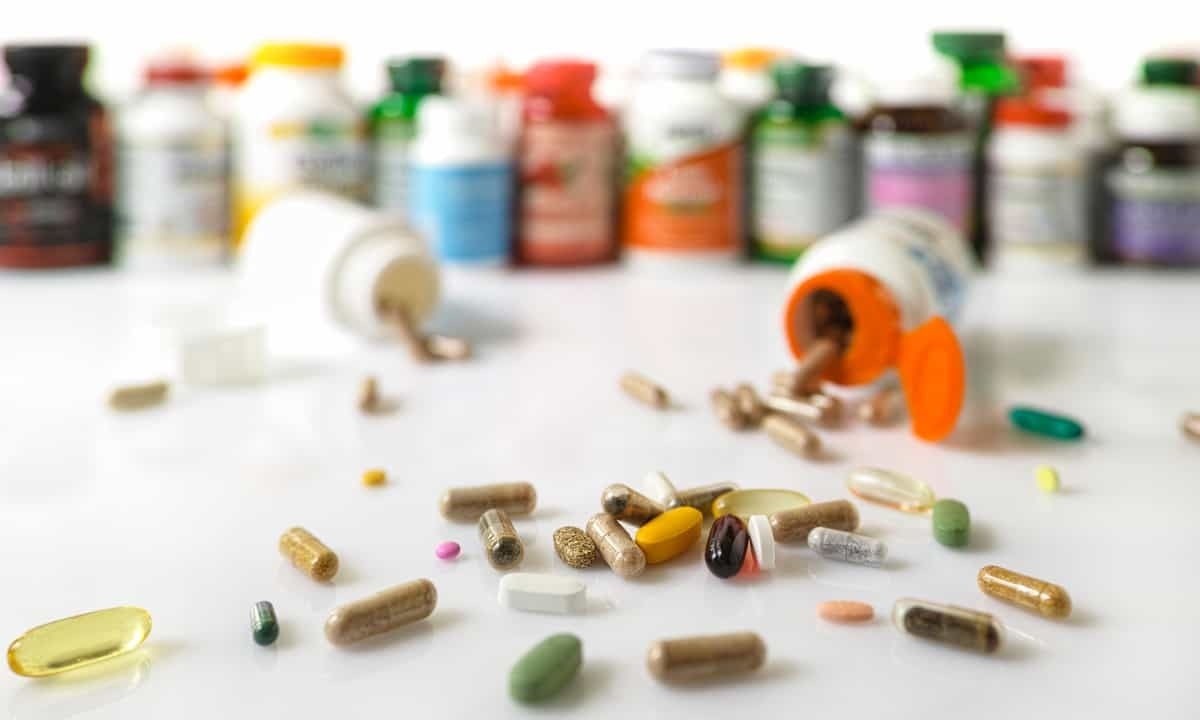
Vitamin Overdose Symptoms. In a world where wellness is increasingly prioritized, vitamins and supplements have become a staple in many households. From immune-boosting vitamin C to bone-strengthening calcium and energy-promoting B-complexes, the supplement industry has grown into a multi-billion dollar market.
There is a common misconception that if a little is good, more must be better. This belief is not only false—it can be dangerous.
Yes, you can overdose on vitamins. While your body needs essential nutrients to function properly, exceeding the recommended amounts can lead to toxicity, organ damage, and in severe cases, even death.
This article explores the hidden dangers of over-supplementation, the difference between water-soluble and fat-soluble vitamins, warning signs of vitamin toxicity, and how to supplement safely.
Understanding the Two Types of Vitamins
To understand vitamin overdose, you must first understand how different vitamins behave in the body. Vitamins fall into two categories: water-soluble and fat-soluble. Vitamin Overdose Symptoms
Water-Soluble Vitamins
| Vitamin | Function | Risk of Overdose |
|---|---|---|
| Vitamin C | Antioxidant, immune support, collagen production | Low to moderate—excess is usually excreted in urine, but megadoses can cause digestive issues and kidney stones |
| B-Complex (B1, B2, B3, B5, B6, B7, B9, B12) | Energy production, red blood cell formation, nervous system health | Generally low, but vitamin B6 toxicity can cause nerve damage; niacin (B3) can cause liver damage and severe flushing |
Key Point: Water-soluble vitamins are not stored in large quantities in the body. Excess amounts are typically eliminated through urine. However, “typically” does not mean “always.” Extremely high doses can still overwhelm the body’s elimination capacity and cause harm. Vitamin Overdose Symptoms
Fat-Soluble Vitamins
| Vitamin | Function | Risk of Overdose |
|---|---|---|
| Vitamin A | Vision, immune function, skin health, cell growth | High risk—stored in the liver; toxicity can cause liver damage, bone pain, blurred vision, and birth defects |
| Vitamin D | Calcium absorption, bone health, immune regulation | High risk—excess leads to hypercalcemia (dangerously high calcium levels), kidney damage, and heart problems |
| Vitamin E | Antioxidant, immune function | Moderate to high risk—excess can interfere with blood clotting, increase bleeding risk, and may increase mortality in high doses |
| Vitamin K | Blood clotting, bone health | Low risk—toxicity is rare, but can interfere with blood thinners like warfarin |
Key Point: Fat-soluble vitamins are stored in the liver and fatty tissues. Because the body does not easily excrete them, they can accumulate to toxic levels over time—especially when taken in high-dose supplements.
How Much Is Too Much? Understanding Tolerable Upper Intake Levels
The National Academies of Sciences, Engineering, and Medicine have established Tolerable Upper Intake Levels (ULs) for vitamins and minerals. These are the maximum daily amounts considered safe for the general population. Vitamin Overdose Symptoms
Common Vitamins: Upper Limits to Know
| Vitamin | Recommended Daily Allowance (RDA) (Adults) | Tolerable Upper Intake Level (UL) | Toxicity Risks |
|---|---|---|---|
| Vitamin A | 700–900 mcg RAE | 3,000 mcg RAE | Liver damage, birth defects, bone loss |
| Vitamin D | 600–800 IU | 4,000 IU | Hypercalcemia, kidney stones, kidney failure |
| Vitamin E | 15 mg (22.4 IU) | 1,000 mg (1,500 IU) | Increased bleeding risk, hemorrhagic stroke |
| Vitamin C | 75–90 mg | 2,000 mg | Diarrhea, nausea, kidney stones |
| Vitamin B6 | 1.3–1.7 mg | 100 mg | Nerve damage (neuropathy), loss of coordination |
| Niacin (B3) | 14–16 mg | 35 mg (from supplements) | Liver damage, severe flushing, glucose intolerance |
| Folate (B9) | 400 mcg DFE | 1,000 mcg | May mask vitamin B12 deficiency, especially in older adults |
Note: These ULs apply to supplements and fortified foods—not naturally occurring vitamins in whole foods. Vitamin Overdose Symptoms
Signs and Symptoms of Vitamin Overdose
Vitamin toxicity can be acute (occurring after a single massive dose) or chronic (developing over time from consistently high intake). Symptoms vary depending on which vitamin is involved.
Acute Toxicity (Single Large Dose)
| Vitamin | Symptoms |
|---|---|
| Vitamin A | Nausea, vomiting, dizziness, blurred vision, severe headache |
| Vitamin D | Nausea, vomiting, weakness, frequent urination, kidney pain |
| Niacin (B3) | Intense skin flushing, itching, nausea, liver toxicity (with extended-release formulas) |
| Iron (mineral) | Abdominal pain, vomiting blood, diarrhea, organ failure—can be fatal in children |
Chronic Toxicity (Long-Term Overuse)
| Vitamin | Symptoms |
|---|---|
| Vitamin A | Hair loss, dry skin, joint pain, liver damage, bone thinning, birth defects |
| Vitamin D | Hypercalcemia (confusion, kidney stones, heart arrhythmias, soft tissue calcification) |
| Vitamin B6 | Peripheral neuropathy (numbness, tingling in hands and feet, difficulty walking) |
| Vitamin E | Excessive bleeding, easy bruising, hemorrhagic stroke |
The Most Dangerous Vitamins to Overdose
While any vitamin can cause harm in excessive amounts, some pose greater risks than others.
1. Vitamin D: The Silent Accumulator
Vitamin D toxicity is one of the most common and dangerous forms of vitamin overdose. Because vitamin D promotes calcium absorption, excess vitamin D leads to hypercalcemia—dangerously high calcium levels in the blood.
Consequences of Hypercalcemia:
- Kidney stones and kidney failure
- Calcification of soft tissues (heart, blood vessels)
- Confusion, disorientation
- Cardiac arrhythmias
- Bone pain
Many people take high-dose vitamin D (5,000–10,000 IU daily) without medical supervision, believing it is harmless. This is a dangerous misconception.
2. Vitamin A: The Liver Stressor
Vitamin A is stored in the liver. Chronic overconsumption—often from high-dose supplements or consuming large amounts of liver—can lead to hepatotoxicity (liver damage). Pregnant women are at particular risk, as excess vitamin A can cause severe birth defects.
3. Vitamin B6: The Nerve Damager
Vitamin B6 is essential for nerve function, but too much can paradoxically cause nerve damage. Symptoms include numbness, tingling, and loss of balance—which may be irreversible even after stopping the supplement.
4. Iron: The Fatal Overdose
Iron is not a vitamin but a mineral commonly included in multivitamins. Iron overdose is particularly dangerous in children, where just a few adult-strength tablets can cause life-threatening toxicity, liver failure, and death.
Who Is Most at Risk?
Vitamin overdose does not affect everyone equally. Certain populations are at higher risk:
| Population | Risk Factors |
|---|---|
| Children | Smaller body size; accidental ingestion of adult supplements; appealing gummy vitamins |
| Older Adults | Multiple medications; kidney impairment; tendency to “stack” supplements |
| Pregnant Women | Increased supplement use; vitamin A toxicity risk to fetus; iron overload risks |
| Individuals with Kidney or Liver Disease | Impaired ability to process and excrete excess vitamins |
| People Taking Multiple Supplements | Unknowingly exceeding upper limits by combining products |
| Those Following Fad Diets or Detox Protocols | Often involve megadosing certain vitamins |
Why Over-Supplementation Is on the Rise
Several factors contribute to the growing problem of vitamin toxicity:
- Aggressive Marketing: Supplements are often marketed as “natural” and therefore “safe,” leading consumers to assume there is no risk of overdose.
- Lack of Regulation: Unlike prescription medications, dietary supplements are not rigorously tested for safety and efficacy by the FDA before reaching the market.
- Self-Prescribing: Many individuals self-diagnose deficiencies and take supplements without consulting a healthcare provider or undergoing proper testing.
- Supplement Stacking: Taking a multivitamin plus individual high-dose supplements (like extra vitamin D, calcium, or B-complex) can easily push intake beyond safe limits.
- Misinformation Online: Social media influencers often promote high-dose supplementation without scientific backing or safety warnings. Vitamin Overdose Symptoms
How to Supplement Safely
1. Consult a Healthcare Professional
Before starting any new supplement, speak with your doctor or pharmacist. A simple blood test can determine whether you have an actual deficiency requiring supplementation.
2. Follow Recommended Dosages
Do not exceed the Tolerable Upper Intake Level (UL) unless specifically directed by a healthcare provider for a medical condition.
3. Check All Your Products
Review the labels of all supplements you take—including multivitamins, individual vitamins, protein powders, and fortified foods—to avoid exceeding safe limits.
4. Choose Food First
Whole foods provide vitamins in balanced forms that the body can regulate. Prioritize a nutrient-dense diet over supplements whenever possible.
5. Store Supplements Safely
Keep supplements out of reach of children. Iron-containing supplements are especially dangerous and should be treated like medication.
6. Be Cautious with “Mega-Doses”
Avoid supplements labeled “high potency,” “mega-dose,” or “therapeutic dose” unless prescribed by a qualified healthcare provider.
When to Seek Medical Help
Seek immediate medical attention if you or someone else experiences:
- Severe nausea, vomiting, or abdominal pain after taking supplements
- Confusion, disorientation, or severe weakness
- Irregular heartbeat
- Difficulty breathing
- Yellowing of the skin or eyes (jaundice)
- Numbness or tingling in the extremities
- Signs of iron overdose in a child (vomiting, diarrhea, lethargy)
For suspected overdose, call Poison Control at 1-800-222-1222 (US) or your local emergency number.
Conclusion: Respect the Power of Vitamins
Vitamins are essential for health, but they are not harmless. The belief that “natural” means “safe” ignores the biological reality that any substance—even water—can be toxic in excess.
The hidden danger of over-supplementation lies in its subtlety. Vitamin toxicity often develops slowly, with symptoms that mimic other conditions, allowing damage to progress unnoticed until it becomes severe.
The bottom line: More is not better. Respect the power of vitamins, supplement with intention and knowledge, and always prioritize safety over convenience or trend.
Your health is built on balance—not excess.
