
PAIN KILLERS AND ANTI-DEPRESSANT MEDICATIONS
How Do SSRIs Improve PTSD? Understanding a Proven Treatment for Post-Traumatic Stress Disorder
Jun
Finding Relief from PTSD: How SSRIs Can Support Recovery
Living with Post-Traumatic Stress Disorder (PTSD) can be overwhelming. Flashbacks, intrusive thoughts, anxiety, nightmares, and emotional distress can significantly impact daily life, relationships, and overall wellbeing. Fortunately, effective treatments are available, and one of the most commonly prescribed options is Selective Serotonin Reuptake Inhibitors (SSRIs).
SSRIs have become a cornerstone of PTSD treatment because they help manage many of the symptoms that make recovery challenging. When combined with professional therapy and a comprehensive mental health care plan, SSRIs can help individuals regain control, improve emotional stability, and move forward with confidence.
What Are SSRIs?
Selective Serotonin Reuptake Inhibitors, commonly known as SSRIs, are a class of antidepressant medications that increase the availability of serotonin in the brain. Serotonin is a neurotransmitter that plays a vital role in regulating mood, emotions, sleep, and stress responses.
By improving serotonin activity, SSRIs help balance brain chemistry and reduce the intensity of symptoms associated with PTSD and other mental health conditions.
Common SSRIs prescribed for PTSD may include:
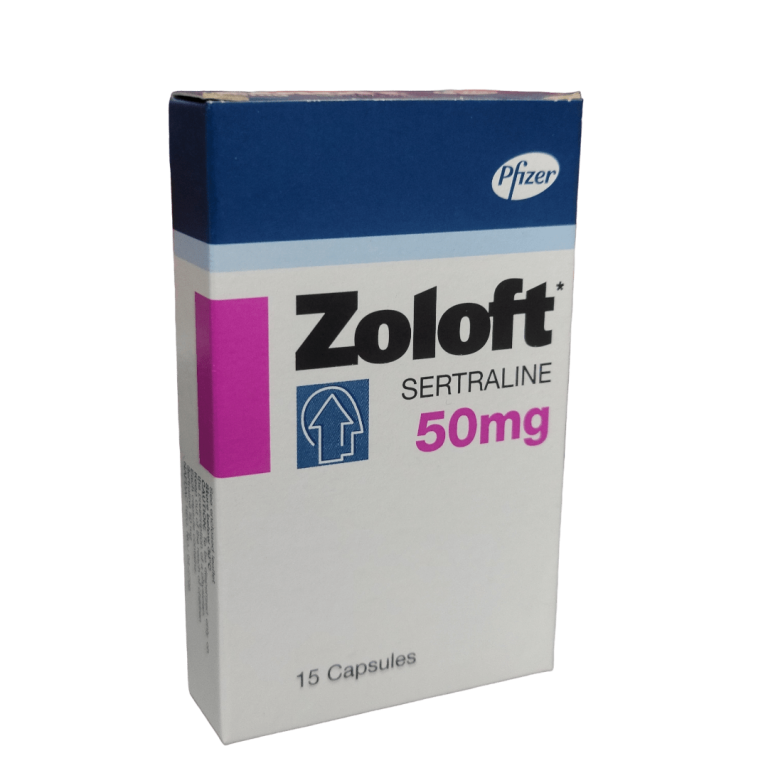
- Sertraline
- Paroxetine
- Fluoxetine
- Escitalopram
These medications are often recommended by healthcare professionals as part of a personalised PTSD treatment strategy.
How PTSD Affects the Brain
PTSD develops after experiencing or witnessing a traumatic event. Trauma can alter how the brain processes fear, stress, and emotional memories.
People with PTSD often experience heightened activity in the brain’s fear centre while areas responsible for emotional regulation may become less effective. This imbalance can contribute to ongoing symptoms such as:
- Hypervigilance
- Panic and anxiety
- Emotional numbness
- Irritability
- Sleep disturbances
- Flashbacks
- Difficulty concentrating
SSRIs help address some of these neurological changes, making symptoms more manageable and supporting the healing process.
How SSRIs Improve PTSD Symptoms
Reducing Anxiety and Hyperarousal
One of the primary benefits of SSRIs for PTSD is their ability to reduce excessive anxiety and hyperarousal. Many individuals with PTSD constantly feel on edge, as though danger is always present.
By increasing serotonin levels, SSRIs help calm the nervous system and reduce the body’s overactive stress response. This can lead to greater relaxation, improved emotional regulation, and a reduced sense of constant alertness.
Improving Mood and Emotional Stability
PTSD frequently occurs alongside depression, hopelessness, and emotional distress. SSRIs can help improve mood by supporting healthier serotonin activity in the brain.
As symptoms improve, many individuals experience increased motivation, better emotional balance, and greater enjoyment of daily life.
Decreasing Intrusive Thoughts and Flashbacks
Intrusive memories and traumatic flashbacks are among the most distressing symptoms of PTSD. While SSRIs do not erase traumatic memories, they can reduce the emotional intensity associated with them.
Many patients report fewer intrusive thoughts and an improved ability to manage trauma-related triggers after beginning treatment.
Enhancing Sleep Quality
Sleep problems are extremely common in PTSD. Nightmares, insomnia, and restless sleep can worsen mental health symptoms and make recovery more difficult.
SSRIs may help improve sleep patterns by reducing anxiety and emotional distress, allowing the mind and body to rest more effectively.
Why SSRIs Are Often Combined with Therapy
While SSRIs can significantly reduce PTSD symptoms, the most effective treatment plans often combine medication with evidence-based psychotherapy.
Therapeutic approaches such as trauma-focused cognitive behavioural therapy (CBT), exposure therapy, and other trauma-informed interventions help individuals process difficult experiences and develop healthy coping strategies.
When symptoms become more manageable through SSRI treatment, patients may find it easier to engage in therapy and achieve meaningful long-term progress.
The Benefits of Early PTSD Treatment
Seeking treatment early can have a significant impact on recovery outcomes. Effective PTSD treatment can help:
- Reduce emotional distress
- Improve relationships
- Enhance workplace performance
- Increase daily functioning
- Improve sleep quality
- Support long-term mental wellbeing
With the right combination of medication, therapy, and professional support, many individuals experience substantial improvements in their quality of life.
Take the First Step Toward Recovery
PTSD can feel isolating, but effective treatment options are available. SSRIs continue to play a vital role in helping people manage symptoms, reduce anxiety, and regain emotional balance. Whether you are experiencing PTSD symptoms yourself or supporting a loved one, seeking professional guidance is an important step toward healing.
A personalised treatment plan that includes SSRIs, therapy, and ongoing mental health support can provide the tools needed to move beyond trauma and build a healthier, more fulfilling future.
