
Qsymia For Weight Loss
Price range: $117.00 through $865.00
What Is Qsymia and How Does It Work for Weight Loss?
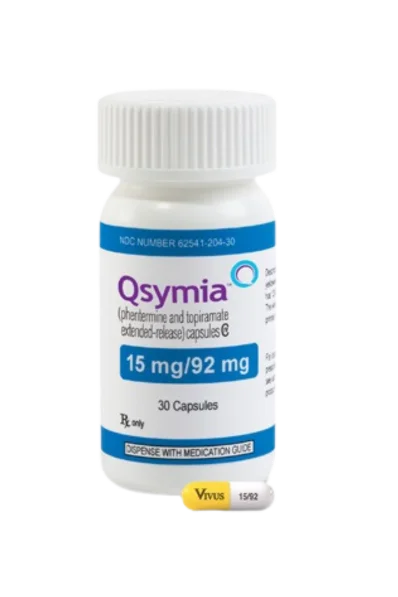
Qsymia For Weight Loss. Qsymia is an FDA-approved prescription medication for chronic weight management in adults and adolescents aged 12 years and older. It is a fixed-dose combination product containing two active ingredients: phentermine (a sympathomimetic amine anorectic) and topiramate (an antiepileptic drug).
Mechanism of Action
The combination works through complementary mechanisms to promote weight loss :
-
Phentermine: A sympathomimetic amine that suppresses appetite by stimulating the release of norepinephrine in the hypothalamus. It is approved for short-term obesity treatment, but when combined with topiramate, it can be used for long-term management.
-
Topiramate: An anticonvulsant that also promotes weight loss through multiple mechanisms, including enhancement of GABA activity, inhibition of carbonic anhydrase, and modulation of voltage-gated ion channels. It may help reduce food cravings and increase satiety.
Qsymia for Weight Loss: Complete Medical Guide
What Is Qsymia and How Does It Work for Weight Loss?
Qsymia For Weight Loss. Qsymia is an FDA-approved prescription medication for chronic weight management in adults and adolescents aged 12 years and older. It is a fixed-dose combination product containing two active ingredients: phentermine (a sympathomimetic amine anorectic) and topiramate (an antiepileptic drug).
Mechanism of Action
The combination works through complementary mechanisms to promote weight loss :
-
Phentermine: A sympathomimetic amine that suppresses appetite by stimulating the release of norepinephrine in the hypothalamus. It is approved for short-term obesity treatment, but when combined with topiramate, it can be used for long-term management.
-
Topiramate: An anticonvulsant that also promotes weight loss through multiple mechanisms, including enhancement of GABA activity, inhibition of carbonic anhydrase, and modulation of voltage-gated ion channels. It may help reduce food cravings and increase satiety.
Together, these medications target appetite control centers in the brain, helping patients feel fuller longer and reduce caloric intake. The amount of weight loss achieved with combination therapy is of a greater magnitude than what could be achieved with either agent alone.
FDA-Approved Indications
Qsymia is indicated, as an adjunct to a reduced-calorie diet and increased physical activity, for chronic weight management in :
| Population | Qualification Criteria |
|---|---|
| Adults | Initial BMI of 30 kg/m² or greater (obese), or BMI of 27 kg/m² or greater (overweight) in the presence of at least one weight-related comorbidity such as hypertension, type 2 diabetes mellitus, or dyslipidemia |
| Pediatric patients (12 years and older) | BMI at the 95th percentile or greater for age and sex (obese) |
Important Limitations
-
The effect of Qsymia on cardiovascular morbidity and mortality has not been established
-
Safety and effectiveness in combination with other products intended for weight loss (prescription drugs, OTC drugs, and herbal preparations) have not been established
-
Qsymia is a federally controlled substance (CIV) because it contains phentermine and can be abused or lead to drug dependence
Qsymia Formulations and Strengths
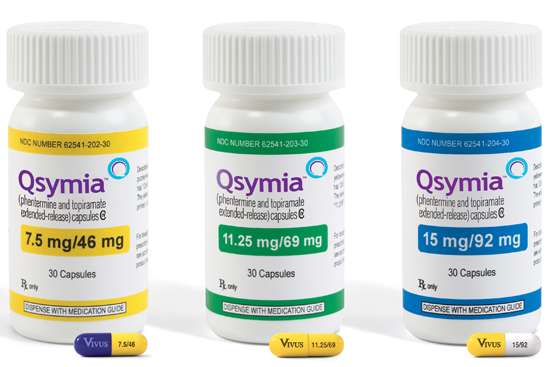
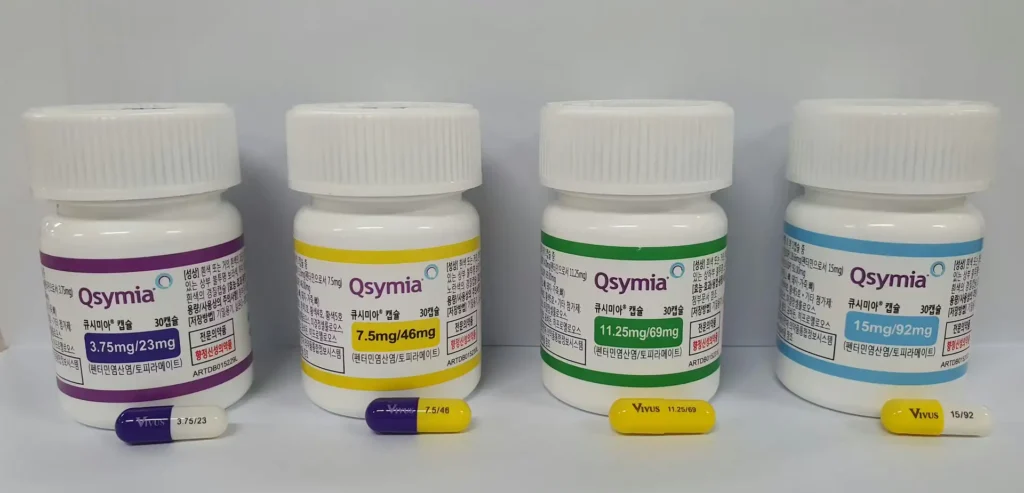
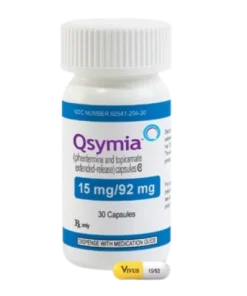
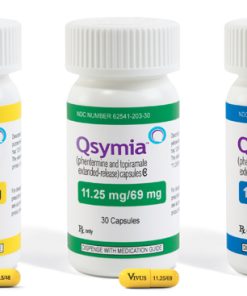
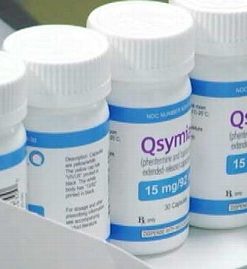
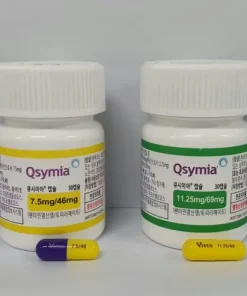
Qsymia is available as extended-release capsules in four strengths. The 3.75 mg/23 mg and 11.25 mg/69 mg strengths are for titration purposes only .
| Strength (phentermine/topiramate) | Capsule Description | Purpose |
|---|---|---|
| 3.75 mg / 23 mg | Purple cap imprinted with VIVUS, purple body imprinted with 3.75/23 | Starting dose (first 14 days) |
| 7.5 mg / 46 mg | Purple cap imprinted with VIVUS, yellow body imprinted with 7.5/46 | First maintenance dose |
| 11.25 mg / 69 mg | Yellow cap imprinted with VIVUS, yellow body imprinted with 11.25/69 | Titration step to higher dose |
| 15 mg / 92 mg | Yellow cap imprinted with VIVUS, white body imprinted with 15/92 | Maximum recommended dose |
Qsymia Dosage Guidelines for Weight Loss
Required Testing Prior to Treatment
Before starting Qsymia and periodically during treatment, the following is recommended:
-
Pregnancy test: Obtain a negative pregnancy test before initiating Qsymia in patients who can become pregnant and monthly during therapy
-
Blood chemistry profile: Includes bicarbonate, creatinine, and potassium in all patients
-
Glucose monitoring: In patients with type 2 diabetes mellitus on antidiabetic medication
Recommended Dosing Schedule
| Time Period | Dosage | Instructions |
|---|---|---|
| Weeks 1-2 | Qsymia 3.75 mg/23 mg once daily | Morning dose with or without food |
| Weeks 3-14 | Qsymia 7.5 mg/46 mg once daily | Morning dose; evaluate after 12 weeks |
| If <3% weight loss at week 12 | Escalate dose: 11.25 mg/69 mg daily for 14 days, then 15 mg/92 mg daily | Continue for another 12 weeks |
| If ≥3% weight loss at week 12 | Continue 7.5 mg/46 mg | Maintenance dose |
Discontinuation Criteria
-
After 12 weeks on 7.5 mg/46 mg: If an adult patient has not lost at least 3% of baseline body weight (or a pediatric patient has not experienced a reduction of at least 3% of baseline BMI), either discontinue Qsymia or escalate the dose
-
After 12 weeks on 15 mg/92 mg: If an adult patient has not lost at least 5% of baseline body weight (or a pediatric patient has not experienced a reduction of at least 5% of baseline BMI), discontinue Qsymia, as it is unlikely that the patient will achieve and sustain clinically meaningful weight loss with continued treatment
Important Administration Instructions
-
Take once daily in the morning with or without food
-
Avoid evening dosing due to the possibility of insomnia
-
Swallow capsules whole—do not crush or chew
-
If you miss a dose, wait until the next morning to take your usual dose—do not double your dose
Dosage in Special Populations
| Condition | Maximum Recommended Dose |
|---|---|
| Mild renal impairment (CrCl ≥50 mL/min) | Standard dosing (up to 15 mg/92 mg) |
| Moderate to severe renal impairment (CrCl <50 mL/min) | Do not exceed 7.5 mg/46 mg once daily |
| End-stage renal disease on dialysis | Avoid use |
| Mild hepatic impairment (Child-Pugh 5-6) | Standard dosing |
| Moderate hepatic impairment (Child-Pugh 7-9) | Do not exceed 7.5 mg/46 mg once daily |
| Severe hepatic impairment (Child-Pugh 10-15) | Avoid use |
How to Stop Taking Qsymia
Do not abruptly discontinue Qsymia 15 mg/92 mg. To prevent possible seizures, gradually discontinue by :
-
Taking a dose every other day for at least 1 week prior to stopping treatment altogether
For pediatric patients, monitor the rate of weight loss. If weight loss exceeds 2 lbs (0.9 kg) per week, consider dosage reduction.
Clinical Efficacy: What Research Shows
Adult Clinical Trial Results
In clinical trials, Qsymia demonstrated significant weight loss compared to placebo when combined with diet and exercise. While specific percentages vary by study, the medication is designed to help patients achieve clinically meaningful weight loss.
H3: Pediatric Clinical Trial Results
A 56-week, double-blind, placebo-controlled study evaluated Qsymia in 223 adolescents aged 12 to less than 17 years with BMI at the 95th percentile or greater:
| Treatment Group | Average BMI Change |
|---|---|
| Qsymia 7.5 mg/46 mg | -4.8% (lost) |
| Qsymia 15 mg/92 mg | -7.1% (lost) |
| Placebo | +3.3% (gained) |
All participants received lifestyle modification counseling, including reducing calories and increasing physical activity.
Responder Rates
Qsymia includes specific weight loss benchmarks to determine if treatment is working :
-
3% weight loss at 12 weeks on 7.5 mg/46 mg determines whether to continue or escalate the dose
-
5% weight loss at 12 weeks on 15 mg/92 mg determines whether to continue treatment
Side Effects of Qsymia
Most Common Side Effects in Adults
| Side Effect | Placebo | 7.5 mg/46 mg | 15 mg/92 mg |
|---|---|---|---|
| Paresthesia (tingling) | 1.9% | 13.7% | 19.9% |
| Dizziness | 3.4% | 7.2% | 8.6% |
| Dysgeusia (taste alteration) | 1.1% | 7.4% | 9.4% |
| Insomnia | 4.7% | 5.8% | 9.4% |
| Constipation | 6.1% | 15.1% | 16.1% |
| Dry mouth | 2.8% | 13.5% | 19.1% |
| Headache | 9.3% | 7.0% | 10.6% |
| Disturbance in attention | 0.6% | 2.0% | 3.5% |
| Depression | 2.2% | 2.8% | 4.3% |
| Anxiety | 1.9% | 1.8% | 4.1% |
Common Side Effects in Pediatric Patients
The most common adverse reactions in adolescents aged 12 years and older included:
-
Depression
-
Dizziness
-
Arthralgia (joint pain)
-
Pyrexia (fever)
-
Influenza
-
Ligament sprain
Cardiovascular Effects – Increased Heart Rate
Qsymia is associated with increases in heart rate. Monitor heart rate in all patients, especially those with cardiac or cerebrovascular disease.
| Heart Rate Increase | Placebo | 7.5 mg/46 mg | 15 mg/92 mg |
|---|---|---|---|
| >5 bpm | 65.4% | 74.7% | 77.7% |
| >10 bpm | 42.1% | 50.4% | 56.1% |
| >15 bpm | 26.3% | 33.1% | 37.3% |
| >20 bpm | 11.9% | 13.5% | 19.6% |
Other Common Side Effects
More common:
-
Back pain
-
Change in taste
-
Difficulty having a bowel movement
-
Ear congestion
-
Fear or nervousness
-
Loss of taste
-
Loss of voice
-
Memory problems
-
Pain around eyes and cheekbones
-
Sneezing
-
Stuffy or runny nose
Less common:
-
Belching
-
Cramps
-
Decreased appetite
-
Dry eyes
-
Eye pain
-
Hair loss
-
Heartburn or indigestion
-
Irritability
-
Pain in arms or legs
-
Rash
-
Stomach discomfort Incidence Not Known
-
Bloating
-
False or unusual sense of well-being
-
Feeling that others are watching or controlling you
-
Hallucinations
-
Hives or welts
-
Change in sexual ability or desire
-
Severe mood or mental changes
-
Unusual behavior
Critical Warnings and Safety Information
FDA Boxed Warning: Birth Defects
Qsymia can cause serious side effects, including birth defects.
If you take Qsymia during pregnancy, your baby has a higher risk for birth defects, including:
-
Cleft lip and cleft palate
-
Baby may be smaller than expected at birth (long-term effects unknown)
These defects can begin early in pregnancy, even before you know you are pregnant.
Requirements for patients who can become pregnant :
-
Have a negative pregnancy test before starting Qsymia
-
Have a pregnancy test every month while taking Qsymia
-
Use effective birth control (contraception) consistently while taking Qsymia
-
Talk to your healthcare provider about how to prevent pregnancy
-
If you become pregnant, stop taking Qsymia immediately and tell your healthcare provider
Qsymia REMS Program
Because of the increased risk for birth defects, Qsymia is only available through a restricted program called the Qsymia Risk Evaluation and Mitigation Strategy (REMS). Further information is available at www.qsymiarems.com or 1-888-998-4887.
Suicidal Thoughts and Behavior
Topiramate, an ingredient in Qsymia, may cause you to have suicidal thoughts or actions.
Call your healthcare provider right away if you have any of these symptoms, especially if they are new, worse, or worry you:
-
Thoughts about suicide or dying
-
Attempts to commit suicide
-
New or worse depression
-
New or worse anxiety
-
Feeling agitated or restless
-
Panic attacks
-
Trouble sleeping (insomnia)
-
New or worse irritability
-
Acting aggressively, being angry, or violent
-
Acting on dangerous impulses
-
An extreme increase in activity and talking (mania)
-
Other unusual changes in behavior or mood
Important notes :
-
Pay attention to any changes, especially sudden changes in mood, behaviors, thoughts, or feelings
-
Keep all follow-up visits with your healthcare provider as scheduled
-
Call your healthcare provider between visits as needed, especially if worried about symptoms
Serious Eye Problems
Qsymia may cause serious eye problems, including:
-
Any sudden decrease in vision, with or without eye pain and redness
-
A blockage of fluid in the eye, causing increased pressure in the eye (secondary angle closure glaucoma)
Contraindications
Do NOT take Qsymia if you:
| Category | Specific Conditions |
|---|---|
| Pregnancy | Are you pregnant, planning to become pregnant, or become pregnant during treatment |
| Eye conditions | Have glaucoma |
| Thyroid conditions | Have hyperthyroidism (overactive thyroid) |
| MAOIs | Are taking certain medicines called monoamine oxidase inhibitors (MAOIs) or have taken MAOIs in the past 14 days |
| Allergy | Are allergic to topiramate, sympathomimetic amines such as phentermine, or any ingredients |
Mood and Sleep Disorders
Qsymia may cause depression or mood problems, and trouble sleeping. Tell your healthcare provider if symptoms occur.
Cognitive Impairment
Qsymia may affect how you think and cause:
-
Confusion
-
Problems with concentration, attention, memory, or speech
-
Disturbances in attention or memory
Tell your healthcare provider if symptoms occur. Caution patients about operating automobiles or hazardous machinery when starting treatment.
Metabolic Acidosis
Qsymia can cause increased acid in the bloodstream (metabolic acidosis). If left untreated, metabolic acidosis can cause:
-
Brittle or soft bones (osteoporosis, osteomalacia, osteopenia)
-
Kidney stones
-
Slowed rate of growth in children
-
Possible harm to your baby if you are pregnant
Symptoms may include:
-
Feeling tired
-
Loss of appetite
-
Changes in heartbeat
-
Trouble thinking clearly
Your healthcare provider should do a blood test to measure bicarbonate (an electrolyte) before and during treatment.
Decreased Kidney Function
Qsymia may cause a decrease in kidney function. Your healthcare provider should do a blood test to measure your kidney function before and during treatment.
Seizure Risk with Abrupt Discontinuation
Possible seizures may happen in people who may or may not have had seizures in the past if you stop Qsymia too fast. Your healthcare provider will tell you how to stop taking Qsymia slowly (tapering over at least 1 week).
Kidney Stones
Drink plenty of fluids when taking Qsymia to help decrease your chances of getting kidney stones. If you get severe side or back pain, or blood in your urine, call your healthcare provider.
Interestingly, a 2024 case report described successful dissolution of uric acid kidney stones using phentermine/topiramate, suggesting potential benefits in some patients .
Decreased Sweating and Increased Body Temperature
People should be watched for signs of decreased sweating and fever, especially in hot temperatures. Some people may need to be hospitalized for this condition.
Low Potassium
Qsymia can increase your risk of low potassium. Symptoms may include:
-
Decreased urine
-
Dry mouth
-
Irregular heartbeat
-
Increased thirst
-
Loss of appetite
-
Mood changes
-
Muscle pain or cramps
-
Nausea or vomiting
-
Numbness or tingling
-
Seizures
-
Trouble breathing
-
Unusual tiredness or weakness
Slowing of Growth in Children
Qsymia may slow the increase in height in children 12 years and older when used for a long time. Growth should be monitored in adolescents taking Qsymia .
Serious Skin Reactions
Rarely, serious skin reactions (eg, Stevens-Johnson syndrome, toxic epidermal necrolysis) can occur. Check with your doctor right away if you have:
-
Blistering, peeling, or loosening of skin
-
Chills, cough, diarrhea
-
Itching, joint or muscle pain
-
Red irritated eyes
-
Red skin lesions with a purple center
-
Sore throat
-
Sores, ulcers, or white spots in the mouth or on the lips
Drug Interactions
| Interacting Drug Class | Risk | Intervention |
|---|---|---|
| MAO Inhibitors (isocarboxazid, linezolid, phenelzine, selegiline, tranylcypromine) | Acute hypertensive episode | Contraindicated within 14 days |
| Other sympathomimetics (methylphenidate) | Additive pressor effects, hypertension | Contraindicated |
| Ergot derivatives (ergotamine, dihydroergotamine) | Additive vasospasm, risk of hypertension | Contraindicated |
| CNS Depressants (alcohol, benzodiazepines, opioids, sleep medications) | Profound sedation, respiratory depression | Avoid or use with extreme caution |
| Carbonic anhydrase inhibitors (zonisamide, acetazolamide, methazolamide) | Increased risk of metabolic acidosis, kidney stones | Avoid concomitant use |
| Oral contraceptives | May decrease contraceptive effectiveness; breakthrough bleeding reported | Use additional or alternative non-hormonal contraception |
| Valproic acid | May cause hyperammonemic encephalopathy (tiredness, vomiting, confusion) | Monitor closely; discontinue if symptoms occur |
| Thiazide diuretics (HCTZ) | Increased risk of hypokalemia | Monitor potassium levels |
| Anticholinergic medications | Increased risk of constipation, dry mouth, overheating | Use with caution |
Food and Alcohol Interactions
-
Alcohol: Do not drink too much alcohol while taking Qsymia. Qsymia and alcohol can affect each other, causing side effects such as sleepiness or dizziness.
-
Grapefruit juice: No specific interaction reported, but always consult your healthcare provider.
Overdose Prevention and Safety
Overdose Symptoms
-
Chest discomfort or pain
-
Decreased urine
-
Dry mouth
-
Fast, irregular, pounding, or racing heartbeat
-
Loss of appetite
-
Mood changes
-
Muscle pain or cramps
-
Nausea or vomiting
-
Numbness or tingling
-
Seizures
-
Trouble breathing
-
Unusual tiredness or weakness
If overdose is suspected: Call 911 or Poison Control at 1-800-222-1222 immediately.
Safe Use Guidelines
-
Take exactly as prescribed—do not change dose without consulting your healthcare provider
-
Do not increase the dose if you think the medicine is not working properly after a few weeks
-
Do not drive or operate machinery until you know how Qsymia affects you (can slow thinking and motor skills and may affect vision)
-
Do not share your medication with anyone—it may cause death or harm them
-
Selling or giving away Qsymia is against the law
-
Your healthcare provider should start you on a diet and exercise program when you start taking Qsymia. Stay on this program while taking Qsymia .
Proper Storage
-
Store at room temperature
-
Keep in a safe place, preferably locked, to protect it from theft
-
Keep out of sight and reach of children
Disposal of Unused Medication
-
Use a medicine take-back program at a DEA-authorized collection site
-
If no take-back program is available, follow FDA guidelines for safe disposal
-
Visit www.fda.gov/drugdisposal for additional information
Special Populations
Pregnancy
-
Contraindicated during pregnancy due to risk of birth defects (cleft lip/palate)
-
Patients who can become pregnant must have a negative pregnancy test before starting and monthly during therapy
-
Use effective contraception consistently
-
If you become pregnant, stop Qsymia immediately and tell your healthcare provider
-
A pregnancy registry monitors outcomes; to register, call 1-888-998-4887 or visit www.qsymiarems.com
Breastfeeding
Qsymia can pass into breast milk and may harm your baby. You and your healthcare provider should decide if you will take Qsymia or breastfeed. You should not do both.
Pediatric Use
-
Approved for children 12 years and older with obesity (BMI ≥95th percentile)
-
Not approved for children under 12 years
-
Monitor growth (height and weight) in adolescents
-
Monitor rate of weight loss; if exceeding 2 lbs/week, consider dose reduction
Geriatric Use
No specific studies in elderly patients; use with caution and monitor closely for side effects.
Patients with Renal Impairment
-
Mild impairment (CrCl ≥50 mL/min): Standard dosing
-
Moderate to severe impairment (CrCl <50 mL/min): Maximum 7.5 mg/46 mg daily
-
End-stage renal disease on dialysis: Avoid use
Patients with Hepatic Impairment
-
Mild impairment: Standard dosing
-
Moderate impairment: Maximum 7.5 mg/46 mg daily
-
Severe impairment: Avoid use
Patients with Diabetes
-
Qsymia may affect blood sugar levels
-
Weight loss may cause hypoglycemia in patients on antidiabetic medications
-
Measure serum glucose before and during treatment
-
Monitor for changes in blood or urine sugar tests
Patients with Hypertension
-
Qsymia may increase risk of lowering blood pressure (orthostatic hypotension)
-
Monitor blood pressure and heart rate regularly
-
If you feel dizzy, faint, or lightheaded, check with your doctor
-
Use with caution in patients with cardiac or cerebrovascular disease
Real-World Considerations
H3: Insurance Coverage
Insurance coverage for Qsymia varies. Check with your insurance provider to determine if Qsymia is covered and what your copay may be. Some insurance plans may require prior authorization.
Note: Some insurance plans have announced they will no longer cover weight loss medications, including Qsymia, starting in 2026. Check with your provider for the most current coverage information.
Weight Regain After Discontinuation
Stopping Qsymia can lead to weight regain. It is crucial to have a plan in place with your doctor for maintaining your weight loss after discontinuing the medication. This often involves continuing with lifestyle modifications such as diet and exercise.
Habit-Forming Potential
Qsymia is a federally controlled substance (CIV) because it contains phentermine and can be abused or lead to drug dependence. Keep in a safe place and never give to anyone else.
Comparison to Other Weight Loss Medications
| Medication | Mechanism | Typical Weight Loss | Key Considerations |
|---|---|---|---|
| Qsymia | Phentermine (appetite suppression) + Topiramate (GABA modulation) | 7-10% | Contraindicated in pregnancy; REMS program; generic available? |
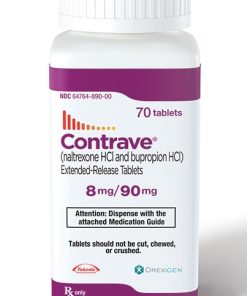
| Contrave | Naltrexone + Bupropion | 5-8% | No cardiovascular outcomes data; contraindicated in seizure disorders |
| Wegovy (semaglutide) | GLP-1 agonist | 15-18% | Injectable; cardiovascular benefit shown; high cost |
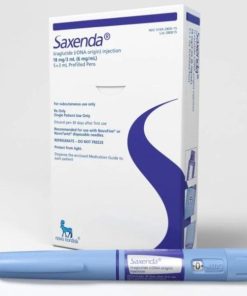
| Saxenda (liraglutide) | GLP-1 agonist | 5-10% | Injectable; daily dosing |
| Orlistat | Lipase inhibitor | 3-5% | OTC available; GI side effects |
FAQs About Qsymia for Weight Loss
H3: How long does it take to see results?
Weight loss is evaluated at 12 weeks. If you haven’t lost at least 3% of your body weight on the 7.5 mg/46 mg dose, your doctor may increase your dose or discontinue treatment.
What is the typical weight loss with Qsymia?
Clinical trials show average weight loss of 5-10% of initial body weight, with some patients losing more. In adolescents, the average BMI reduction was 4.8-7.1% compared to placebo.
Can I take Qsymia if I have high blood pressure?
Qsymia can affect blood pressure and heart rate. Use with caution in patients with controlled hypertension. It is contraindicated in patients with hyperthyroidism and should be used cautiously in those with cardiac disease .
Can I drink alcohol while taking Qsymia?
Do not drink too much alcohol while taking Qsymia. Qsymia and alcohol can affect each other, causing side effects such as sleepiness or dizziness.
Is Qsymia covered by insurance?
Coverage varies. Check with your insurance provider. Some plans may no longer cover weight loss medications starting in 2026.
What happens if I stop taking Qsymia?
Stopping Qsymia can lead to weight regain. If you are on the highest dose (15 mg/92 mg), do not stop suddenly—your doctor will provide a tapering schedule (every other day for at least 1 week) to prevent seizures.
Can Qsymia cause depression or anxiety?
Yes, Qsymia may cause depression or mood problems. Tell your healthcare provider if symptoms occur. Monitor for suicidal thoughts or behavior.
Do I need to take birth control while on Qsymia?
Yes, absolutely. If you can become pregnant, you must use effective birth control consistently while taking Qsymia and have monthly pregnancy tests
| Qsymia Pills | 50 Pills., 100 Pills., 200 Pills. |
|---|---|
| Dosage | 7 mg/ 46 mg., 11.25 mg/ 69 mg., 15 mg/ 92 mg. |
3 reviews for Qsymia For Weight Loss
Add a review
Related products
WEIGHT LOSS PILLS
WEIGHT LOSS PILLS
WEIGHT LOSS PILLS
Uwe Jens –
Very helpful chat person because the reorder worked ok little glitch, but the chat took care of it
Hassan Mckbur –
Time-efficient online help.
Prompt answer to the question. Polite staff member.
Joeliz Fernandez –
Is such a great service