

Concerta for ADHD Treatment
Price range: $315.00 through $1,440.00
What Is Concerta and How Does It Work for ADHD?
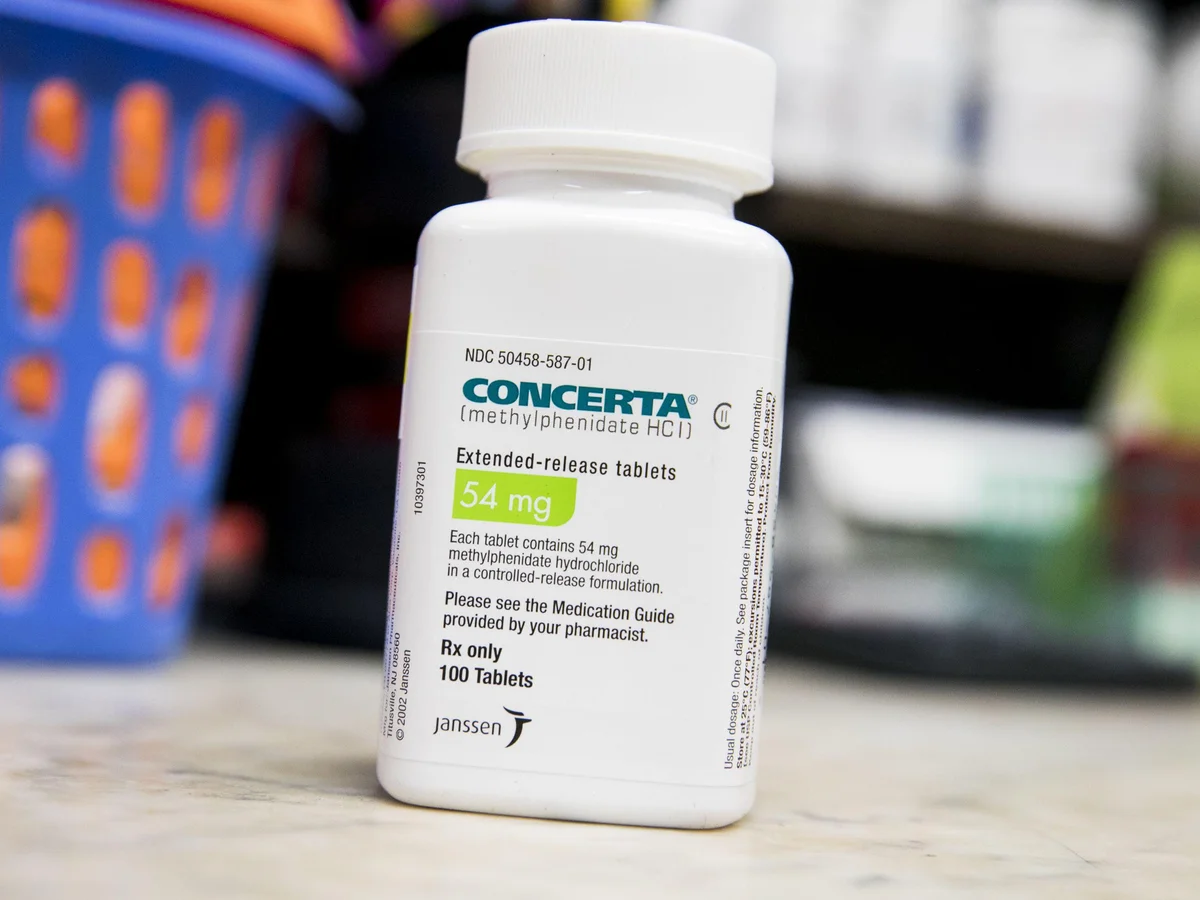
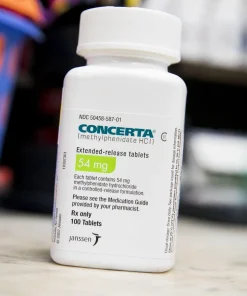
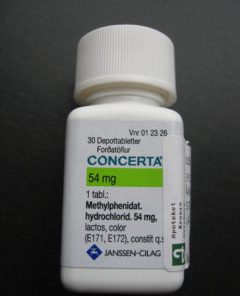
Concerta for ADHD Treatment. Concerta is a prescription central nervous system (CNS) stimulant medication indicated for the treatment of attention deficit hyperactivity disorder (ADHD) in patients aged 6 to 65 years old. It contains the active ingredient methylphenidate hydrochloride in an extended-release formulation designed for once-daily dosing.
Mechanism of Action
Concerta works by increasing the levels of two key neurotransmitters in the brain :
-
Dopamine: Plays a role in motivation, attention, and reward
-
Norepinephrine: Enhances alertness, focus, and executive function
Concerta for ADHD: Complete Medical Guide
What Is Concerta and How Does It Work for ADHD?
Concerta for ADHD Treatment. Concerta is a prescription central nervous system (CNS) stimulant medication indicated for the treatment of attention deficit hyperactivity disorder (ADHD) in patients aged 6 to 65 years old. It contains the active ingredient methylphenidate hydrochloride in an extended-release formulation designed for once-daily dosing.
Mechanism of Action
Concerta works by increasing the levels of two key neurotransmitters in the brain :
-
Dopamine: Plays a role in motivation, attention, and reward
-
Norepinephrine: Enhances alertness, focus, and executive function
Methylphenidate is a reuptake inhibitor, meaning it prevents the body from absorbing and breaking down norepinephrine and dopamine, allowing them to remain active longer in the brain . For individuals with ADHD, this helps “even out” these neurotransmitter levels, improving focus, reducing impulsivity, and controlling hyperactivity.
Unique OROS Delivery System
Concerta uses a proprietary osmotic-controlled release oral delivery system (OROS) that provides a consistent 12-hour effect with a single morning dose. The technology works as follows:
-
Outer layer: Immediately releases a small initial dose (22% of the dose)
-
Osmotic pump: Gradually pushes the remaining medication out through a laser-drilled hole at a controlled rate
-
Consistent delivery: Provides smooth, ascending drug concentrations without peaks and valleys
This unique delivery system distinguishes Concerta from other extended-release methylphenidate formulations, which do not use OROS technology and may vary in how long they last or how smoothly they release medication.
FDA-Approved Indications Concerta for ADHD Treatment
| Population | Indication |
|---|---|
| Children (6-12 years) | Treatment of ADHD |
| Adolescents (13-17 years) | Treatment of ADHD |
| Adults (18-65 years) | Treatment of ADHD |
Limitations of Use: The use of Concerta is not recommended in pediatric patients younger than 6 years of age because they have higher plasma exposure and a higher incidence of adverse reactions (e.g., weight loss) than patients 6 years and older at the same dosage.
Concerta Formulations and Strengths
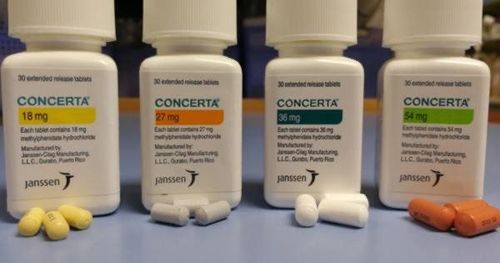
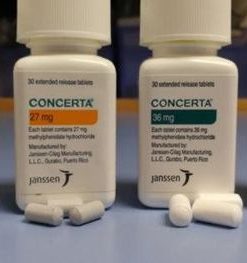
Concerta is available as extended-release tablets in four strengths :
| Strength | Tablet Description | Imprint |
|---|---|---|
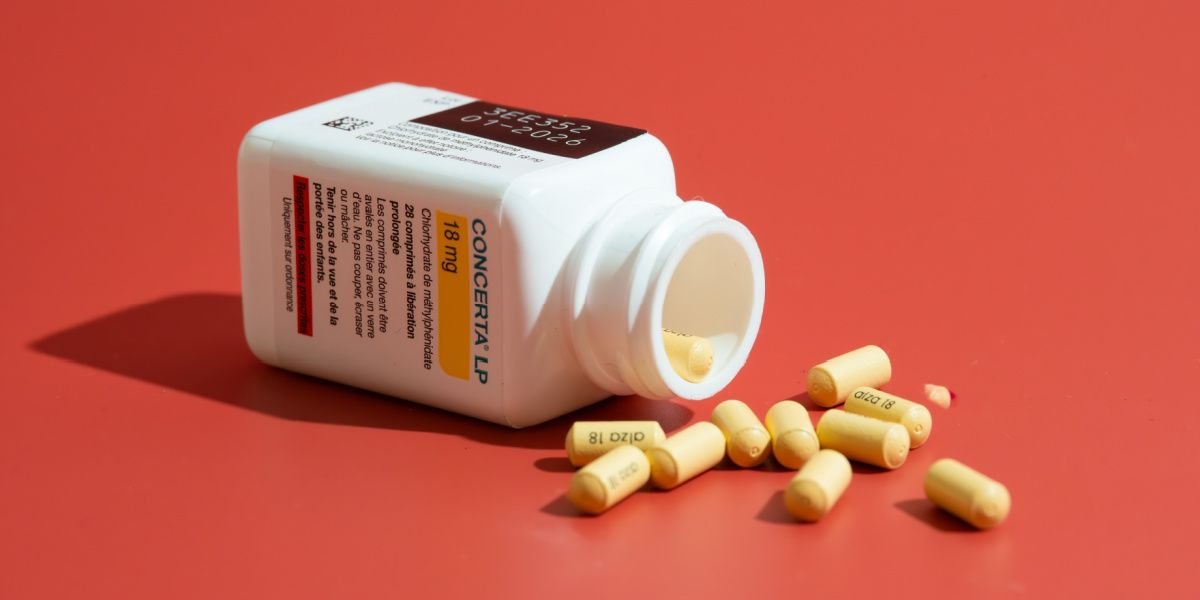
| 18 mg | Yellow, round, convex | “alza 18” |
| 27 mg | Gray, round, convex | “alza 27” |
| 36 mg27 | White, round, convex | “alza 36” |
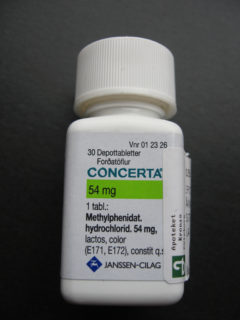
| 54 mg | Brownish-red, round, convex | “alza 54” |
Note: The 27 mg strength provides a therapeutic alternative for patients who cannot tolerate the 18 mg to 36 mg titration step.
Concerta Dosage Guidelines for ADHD
Pretreatment Screening
Prior to initiating Concerta treatment, healthcare providers should assess :
-
Cardiac health: Perform a careful history, family history of sudden death or ventricular arrhythmia, and physical exam
-
Tics/Tourette’s syndrome: Assess family history for tics or Tourette’s syndrome and clinically evaluate patients for motor or verbal tics
Important Administration Instructions
-
Administer once daily in the morning with or without food
-
Swallow whole with liquids—do not split, crush, or chew the extended-release tablets
-
Compromising the extended-release characteristics can affect both effectiveness and safety
-
Concerta does not dissolve completely in the body after all the medicine has been released; you may sometimes notice the empty tablet in a bowel movement—this is normal
Recommended Dosage in Patients New to Methylphenidate
| Patient Population | Recommended Starting Dosage | Dosage Range | Titration |
|---|---|---|---|
| Children 6 to 12 years | 18 mg once daily | 18 mg to 54 mg once daily | Increase in 18 mg increments at weekly intervals |
| Adolescents 13 to 17 years | 18 mg once daily | 18 mg to 72 mg once daily (not to exceed 2 mg/kg/day) | Increase in 18 mg increments at weekly intervals |
| Adults 18 to 65 years | 18 mg or 36 mg once daily | 18 mg to 72 mg once daily | Increase in 18 mg increments at weekly intervals |
Slower titration option: If a slower titration is recommended for patients who have not achieved an optimal response taking 18 mg once daily, increase their daily dosage to 27 mg once per day.
Switching from Immediate-Release Methylphenidate
| Previous IR Methylphenidate Daily Dosage | Recommended Concerta Starting Dosage |
|---|---|
| 5 mg twice or three times daily | 18 mg every morning |
| 10 mg twice or three times daily | 36 mg every morning |
| 15 mg twice or three times daily | 54 mg every morning |
| 20 mg twice or three times daily | 72 mg every morning* |
*Only for patients 13–65 years of age
Maximum Recommended Dosages
| Population | Maximum Daily Dose |
|---|---|
| Children 6 to 12 years | 54 mg/day |
| Adolescents 13 to 17 years | 72 mg/day or 2 mg/kg/day (whichever is less) |
| Adults 18 to 65 years | 72 mg/day |
Dosage Reduction and Discontinuation
-
If paradoxical aggravation of ADHD symptoms or adverse reactions occur, reduce the dosage or discontinue
-
If ADHD improvement is not observed after appropriate dosage modification over one month, discontinue Concerta
How Concerta Compares to Other ADHD Medications Concerta for ADHD Treatment
Concerta vs. Ritalin (Immediate-Release)
| Feature | Concerta (ER) | Ritalin (IR) |
|---|---|---|
| Active ingredient | Methylphenidate | Methylphenidate |
| Dosing frequency | Once daily (morning) | 2-3 times daily |
| Duration of effect | 7-12 hours | 3-4 hours per dose |
| Onset of action | 60-90 minutes | 20-30 minutes |
| Delivery system | OROS osmotic pump | Standard immediate-release |
| FDA approval | 2000 | 1955 |
| Abuse potential | Lower (harder to manipulate) | Higher (easily crushed) |
Concerta’s extended-release formulation may reduce rebound symptoms and lower misuse risk compared to immediate-release Ritalin.
Concerta vs. Vyvanse
| Feature | Concerta | Vyvanse |
|---|---|---|
| Active ingredient | Methylphenidate | Lisdexamfetamine |
| Mechanism | Reuptake inhibitor | Prodrug (converts to d-amphetamine) |
| Duration | 8-12 hours | 13-14 hours |
| Peak concentration | ~4.7 hours | ~3.5 hours |
| pH-dependent? | Yes (can be affected by foods/medications altering stomach pH) | No (prodrug, not pH dependent) |
| Abuse potential | Moderate (extended-release reduces risk) | Lower (prodrug formulation) |
Both medications are highly effective in treating ADHD, with 75-92% of patients finding symptom improvement . There is limited evidence that Vyvanse may be slightly more effective for some patients, but this effect is very small.
Concerta vs. Medikinet MR
A Danish nationwide register-based cohort study comparing Medikinet® MR and Concerta® found:
-
Comparable safety profiles between the two long-acting methylphenidate formulations
-
No statistically significant difference in risk for adverse events
-
No cases of cerebral arteritis or priapism were identified in either cohort
Concerta vs. Centanafadine (Newer Medication)
A 2024 matching-adjusted indirect comparison study found:
-
Centanafadine was associated with a significantly lower risk of:
-
Dry mouth (-11.95 percentage points)
-
Initial insomnia (-11.10)
-
Decreased appetite (-8.05)
-
Anxiety (-5.39)
-
Palpitations (-5.25)
-
-
Centanafadine may be preferred among patients for whom treatment-related adverse events are a concern
Benefits of Concerta for ADHD
When properly prescribed and monitored, Concerta can provide significant benefits :
| Benefit | Description |
|---|---|
| Once-daily dosing | Convenient morning dose eliminates need for school/workday redosing |
| 12-hour coverage | Provides symptom control throughout the school or work day |
| Consistent effect | OROS technology delivers smooth, continuous symptom control |
| Reduced rebound | Less noticeable symptom return between doses |
| Lower abuse potential | Harder to crush or inject than immediate-release formulations |
| Generic available | More affordable options available |
Side Effects of Concerta
Common Side Effects (≥5% in clinical trials)
| System | Side Effects |
|---|---|
| Gastrointestinal | Decreased appetite, dry mouth, nausea, upper abdominal pain |
| Nervous system | Headache, dizziness, irritability, anxiety |
| General | Weight decreased, insomnia, hyperhidrosis (increased sweating) |
| Cardiovascular | Tachycardia (fast heart rate) |
Side Effects by Age Group
-
Pediatric patients (6-17 years): Upper abdominal pain was the most common adverse reaction
-
Adults (18-65 years): Decreased appetite, headache, dry mouth, nausea, insomnia, anxiety, dizziness, decreased weight, irritability, tachycardia, and hyperhidrosis
Serious Side Effects (Require Immediate Medical Attention)
| Category | Serious Effects |
|---|---|
| Cardiovascular | Chest pain, shortness of breath, fainting, sudden death (in patients with serious heart disease) |
| Psychiatric | New or worsening psychosis, mania, aggression, hallucinations, paranoia |
| Neurologic | Seizures, new or worsening tics, Tourette’s syndrome |
| Urologic | Painful and prolonged erections (priapism) lasting more than 4 hours—seek emergency care |
| Vascular | Circulation problems in fingers and toes (Raynaud’s phenomenon): numbness, coolness, color changes (pale to blue to red) |
| Ophthalmic | Vision changes, eye pain, swelling, or redness (angle-closure glaucoma) |
| Gastrointestinal | Intestinal blockage in patients with pre-existing GI narrowing |
Get emergency medical help or call 911 right away if you experience any of these symptoms .
Long-Term Suppression of Growth in Children
-
Children should have their height and weight checked often during treatment
-
Concerta treatment may be stopped if the child is not growing or gaining weight as expected
Critical Warnings and Safety Information
FDA BLACK BOX WARNING: Abuse, Misuse, and Addiction
Concerta has a high potential for abuse and misuse, which can lead to the development of a substance use disorder, including addiction. Misuse and abuse of CNS stimulants, including Concerta, can result in overdose and death, and this risk is increased with higher dosage or unapproved methods of administration, such as snorting or injection. Concerta for ADHD Treatment.
Required actions before prescribing :
-
Assess each patient’s risk for abuse, misuse, and addiction
-
Educate patients and their families about these risks
-
Instruct patients to store Concerta in a safe place, preferably locked
-
Instruct patients not to give Concerta to anyone else
-
Throughout treatment, reassess each patient’s risk and frequently monitor for signs and symptoms of abuse, misuse, and addiction
Contraindications
Do NOT take Concerta if you:
| Category | Specific Conditions |
|---|---|
| Allergy | Known hypersensitivity to methylphenidate or other components of Concerta (angioedema, anaphylactic reactions) |
| MAOIs | Receiving concomitant monoamine oxidase inhibitors (MAOIs) or within 14 days following discontinuation of MAOI treatment (risk of hypertensive crisis) |
Risks for Patients with Serious Cardiac Disease
-
Avoid use in patients with known structural cardiac abnormalities, cardiomyopathy, serious cardiac arrhythmias, coronary artery disease, or other serious cardiac disease
-
Sudden death has happened in people who have heart defects or other serious heart disease
Warning signs to watch for: Chest pain, shortness of breath, fainting during treatment—go to the nearest emergency room right away. Concerta for ADHD Treatment.
Increased Blood Pressure and Heart Rate
-
Monitor blood pressure and pulse at regular intervals
-
CNS stimulants cause increases in both parameters
Psychiatric Adverse Reactions
Prior to initiating Concerta, screen patients for risk factors for developing a manic episode. New or worsening symptoms may occur:
-
Psychotic symptoms (hearing voices, seeing or believing things that are not real)
-
Manic symptoms
-
Bipolar illness
-
Aggression
Call your healthcare provider right away if you have any new or worsening mental symptoms.
Priapism
-
Prolonged and painful erections lasting more than 4 hours have occurred in males taking methylphenidate products
-
May require surgery if not treated immediately
-
If abnormally sustained or frequent and painful erections occur, seek immediate medical attention
Peripheral Vasculopathy (Raynaud’s Phenomenon)
Signs and symptoms may include:
-
Fingers or toes feeling numb, cool, or painful
-
Fingers or toes changing color from pale to blue, to red
Call your healthcare provider right away if you have any signs of unexplained wounds appearing on fingers or toes during treatment.
Risk of Gastrointestinal Obstruction
-
Only use in patients able to swallow the extended-release tablet whole
-
Should not ordinarily be used in patients with pre-existing severe GI narrowing
-
The tablet does not change in shape in the GI tract
Acute Angle Closure Glaucoma
-
Concerta-treated patients considered at risk (e.g., patients with significant hyperopia) should be evaluated by an ophthalmologist Concerta for ADHD Treatment.
Motor and Verbal Tics
-
Before initiating, assess family history and clinically evaluate patients for tics or Tourette’s syndrome
-
Regularly monitor for emergence or worsening of tics
-
Discontinue if clinically appropriate
Drug Interactions
| Interacting Drug Class | Risk | Intervention |
|---|---|---|
| MAOIs | Hypertensive crisis | Contraindicated; allow 14 days after stopping MAOI |
| Antihypertensive drugs | May decrease effectiveness | Monitor blood pressure; adjust dosage as needed |
| Risperidone | Potential interaction | Tell your healthcare provider if taking risperidone |
| CNS depressants (alcohol, sedatives) | Additive CNS effects | Use with caution |
| Antacids / Acidifying agents | May alter methylphenidate absorption | Monitor for changes in effectiveness |
| Coumarin anticoagulants, anticonvulsants, SSRIs, tricyclic antidepressants | Methylphenidate may inhibit metabolism | May require dose adjustment of these drugs |
Overdose Prevention and Safety
Overdose Symptoms
-
Extreme dizziness or weakness
-
Fast heartbeat or breathing
-
Seizures
-
Trouble breathing
-
Cold, clammy skin
-
Blue lips and fingernails
-
Unconsciousness or inability to wake up
If overdose is suspected: Call 911 or Poison Help line at 1-800-222-1222 immediately.
Safe Use Guidelines
-
Take exactly as prescribed—do not change dose without consulting your healthcare provider
-
Taking once daily in the morning or afternoon doses can cause insomnia
-
Do not drive or operate machinery until you know how Concerta affects you
-
Do not share your medication with anyone—it’s dangerous and against the law
-
Never give your Concerta to anyone else—it may cause death or harm to them
-
Selling or giving away Concerta may harm others and is against the law
Proper Storage
-
Store at room temperature between 59°F to 86°F (15°C to 30°C)
-
Protect from moisture
-
Store in a safe place, like a locked cabinet
-
Keep out of sight and reach of children
Disposal of Unused Medication Concerta for ADHD Treatment.
-
Use a medicine take-back program at a DEA-authorized collection site
-
If no take-back program is available:
-
Mix Concerta with an undesirable, nontoxic substance (dirt, cat litter, used coffee grounds)
-
Place the mixture in a sealed plastic bag
-
Throw away in the household trash
-
-
Visit www.fda.gov/drugdisposal for additional information
Special Populations
Pregnancy Considerations
-
It is not known if Concerta will harm an unborn baby
-
A pregnancy exposure registry monitors outcomes in women exposed to ADHD medications during pregnancy
-
To register: call 1-866-961-2388 or visit https://womensmentalhealth.org/adhd-medications/
Breastfeeding Considerations
-
Concerta passes into breast milk
-
If breastfeeding during treatment, monitor the infant for:
-
Agitation
-
Poor sleeping patterns
-
Changes in feeding
-
Reduced weight gain
-
Pediatric Use
-
Approved for children 6 years and older
-
Not recommended for children under 6 years due to higher plasma exposure and higher incidence of adverse reactions (e.g., weight loss)
-
Monitor growth (height and weight) closely
Geriatric Use
-
Safety and efficacy have not been established in patients greater than 65 years of age
-
One clinical expert recommends aiming for lower dose in elderly (e.g., 10-30 mg)
Non-Pharmacological and Alternative Treatments
Non-Stimulant Medications
| Medication | Class | Notes |
|---|---|---|
| Atomoxetine (Strattera) | Norepinephrine reuptake inhibitor | Non-stimulant; no abuse potential |
| Guanfacine (Intuniv) | Alpha-2 agonist | May help with tics, sleep problems, or anxiety |
| Clonidine (Kapvay) | Alpha-2 agonist | May help with tics, sleep problems, or anxiety |
| Bupropion (Wellbutrin) | Antidepressant | May be used off-label |
Behavioral Interventions
-
Cognitive Behavioral Therapy (CBT): Addresses attention difficulties and develops strategies to improve focus, organization, and task completion
-
Behavioral therapy: Focuses on building practical skills (task organization, behavior monitoring, social interactions)
-
Parent training: Helps parents develop strategies for managing disruptive behaviors
-
School interventions: Accommodations and support in educational settings
Combination Therapy
The best outcomes for ADHD patients are usually seen when pharmacological therapies are combined with behavioral therapies. This approach reduces symptoms while teaching skills to cope effectively with any remaining symptoms.
FAQs About Concerta for ADHD Concerta for ADHD Treatment
How long does Concerta take to work?
Concerta typically starts working within 60-90 minutes after taking it.
How long does Concerta last?
Concerta provides symptom control for 7-12 hours with once-daily morning dosing.
Is Concerta addictive?
Concerta has a high potential for abuse and addiction and is classified as a Schedule II controlled substance. When taken exactly as prescribed under medical supervision, addiction risk is managed but still present. The OROS extended-release formulation makes Concerta less prone to misuse than immediate-release stimulants.
Can I drink alcohol while taking Concerta?
Alcohol may interact with Concerta and affect its release. Consult your healthcare provider about alcohol use during treatment.
Can I drive while taking Concerta?
Concerta can cause dizziness, drowsiness, or vision changes. Do not drive or operate machinery until you know how Concerta affects you.
What should I do if I miss a dose?
Take the next dose at your usual time the next morning. Do not double up on doses or take an afternoon dose, as this may cause insomnia.
Is Concerta the same as Ritalin?
Both contain methylphenidate, but they are different formulations. Ritalin is typically immediate-release (lasting 3-4 hours, taken 2-3 times daily), while Concerta uses OROS technology for once-daily dosing lasting up to 12 hours.
Can Concerta be crushed or chewed?
Never crush or chew Concerta tablets. They must be swallowed whole to preserve the extended-release mechanism. Crushing or chewing releases the full 12-hour dose at once, which can cause serious side effects or overdose.
What should I do if I find an empty tablet in my stool?
This is normal. The Concerta shell does not dissolve completely in the body after all the medicine has been released.
Does Concerta cause weight loss?
Decreased appetite and weight loss are common side effects. Children should have their height and weight monitored regularly during treatment.
Can Concerta be taken with other medications?
Some medications interact with Concerta. Tell your healthcare provider about all medicines you take, including prescription, over-the-counter, vitamins, and herbal supplements.
Is Concerta safe for adults?
Yes, Concerta is FDA-approved for adults up to 65 years of age.
What are the signs of an overdose?
Signs include extreme dizziness, fast heartbeat, seizures, trouble breathing, cold, clammy skin, blue lips/fingernails, and unconsciousness. Call 911 immediately.
| Concerta Pills | 50 Pills., 100 Pills., 200 mg. |
|---|---|
| Dosage | 18 mg., 27 mg., 36 mg., 54 mg. |
5 reviews for Concerta for ADHD Treatment
Add a review
Related products
OPIOIDS
ADHD MEDICATIONS

ADHD MEDICATIONS
ADHD MEDICATIONS
ADHD MEDICATIONS

ADHD MEDICATIONS
ADHD MEDICATIONS
ADHD MEDICATIONS
Annya Rose –
A very reliable pharmacy with caring and friendly staff.
Kelvin Rosette –
Everyone I have dealt with has been wonderful and helpful
Blue Dutchman –
There is some confusion with my script. I will have to say the customer service was excellent!
June Pratt –
I contacted Global Wellness Pharmacy for help with my order as I’m a new customer. Anne was incredibly helpful, knowledgeable, and her guidance impeccable in helping me place my first order.
April Angotti –
Very professional, friendly, and efficient.