

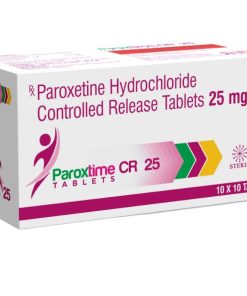
Paroxetine (Paxil) for PTSD

How Does Paroxetine Work for PTSD?
PTSD is associated with dysregulation of the brain’s fear circuitry, particularly involving the amygdala (fear processing), hippocampus (memory contextualization), and prefrontal cortex (emotional regulation). Serotonin plays a critical modulatory role in these regions.
By inhibiting the reuptake of serotonin at the synaptic cleft, paroxetine:
-
Enhances serotonergic signaling
-
Reduces hyperreactivity of the amygdala to threat cues
-
Gradually dampens the exaggerated stress response
This effect is not immediate. Patients typically require 4 to 8 weeks at a therapeutic dose to experience meaningful symptom reduction.
Paroxetine (Paxil) for PTSD: Efficacy, Side Effects, Tapering, and Alternatives
Paroxetine (Paxil) for PTSD. Post-traumatic stress disorder (PTSD) affects millions of people worldwide, causing debilitating symptoms such as flashbacks, hyperarousal, nightmares, and avoidance behaviors. Finding the right treatment is critical, and medication often plays a key role alongside therapy.
Paroxetine—commonly known by the brand name Paxil—is one of the few medications officially approved by the U.S. Food and Drug Administration (FDA) for the treatment of PTSD. But is it the right choice for you? This comprehensive guide covers everything you need to know: how it works, its efficacy, side effects, withdrawal risks, and how it compares to other options like sertraline (Zoloft) and venlafaxine (Effexor XR).
What Is Paroxetine (Paxil)?
Paroxetine is a medication in the class of selective serotonin reuptake inhibitors (SSRIs) . It works by increasing the levels of serotonin—a neurotransmitter involved in mood regulation, sleep, and fear processing—in the brain.
It was first approved by the FDA in 1992 for depression and later gained approvals for:
-
Major depressive disorder (MDD)
-
Obsessive-compulsive disorder (OCD)
-
Panic disorder
-
Social anxiety disorder
-
Generalized anxiety disorder (GAD)
-
Post-traumatic stress disorder (PTSD) —approved in the early 2000s
Paroxetine is available in several formulations:
-
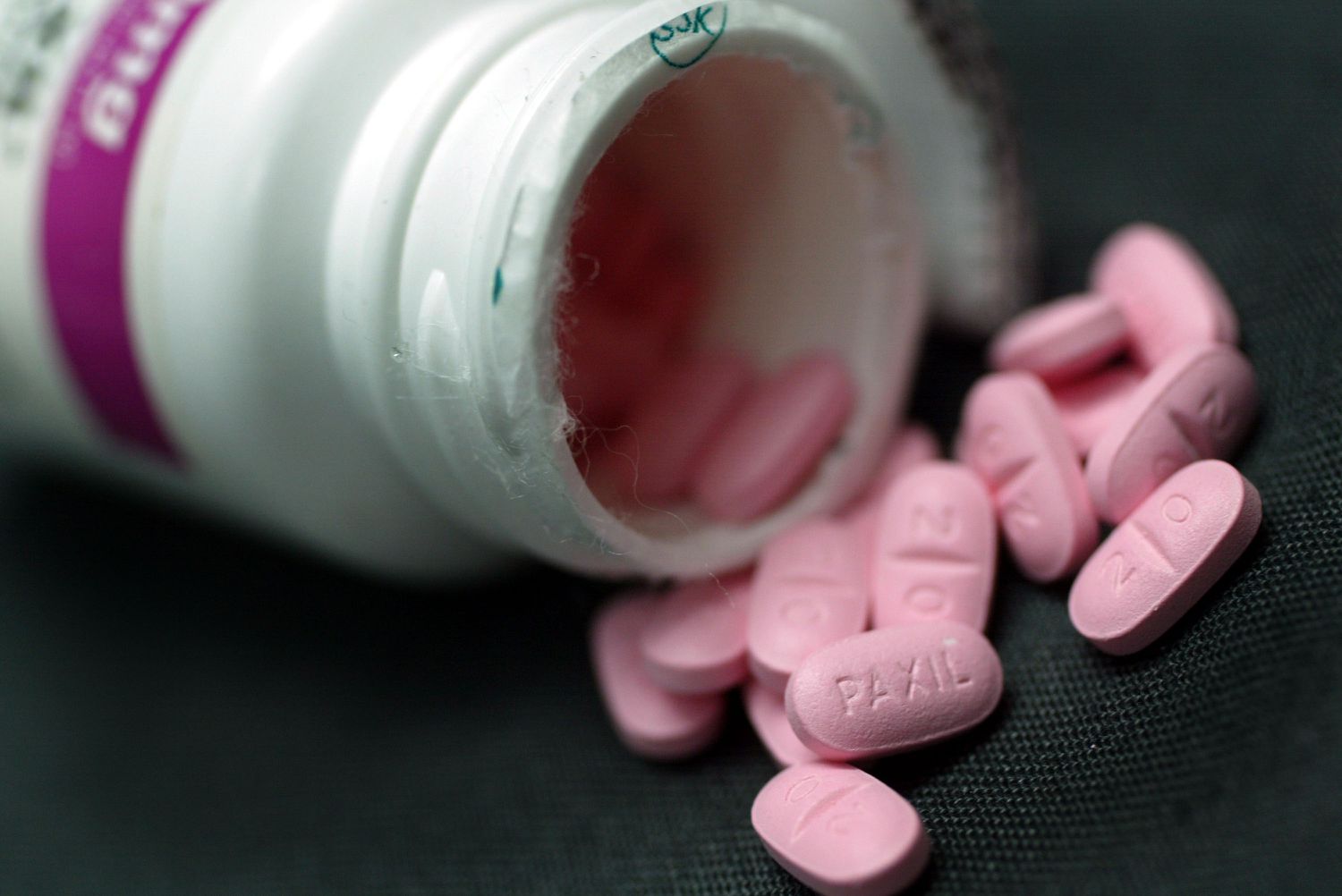
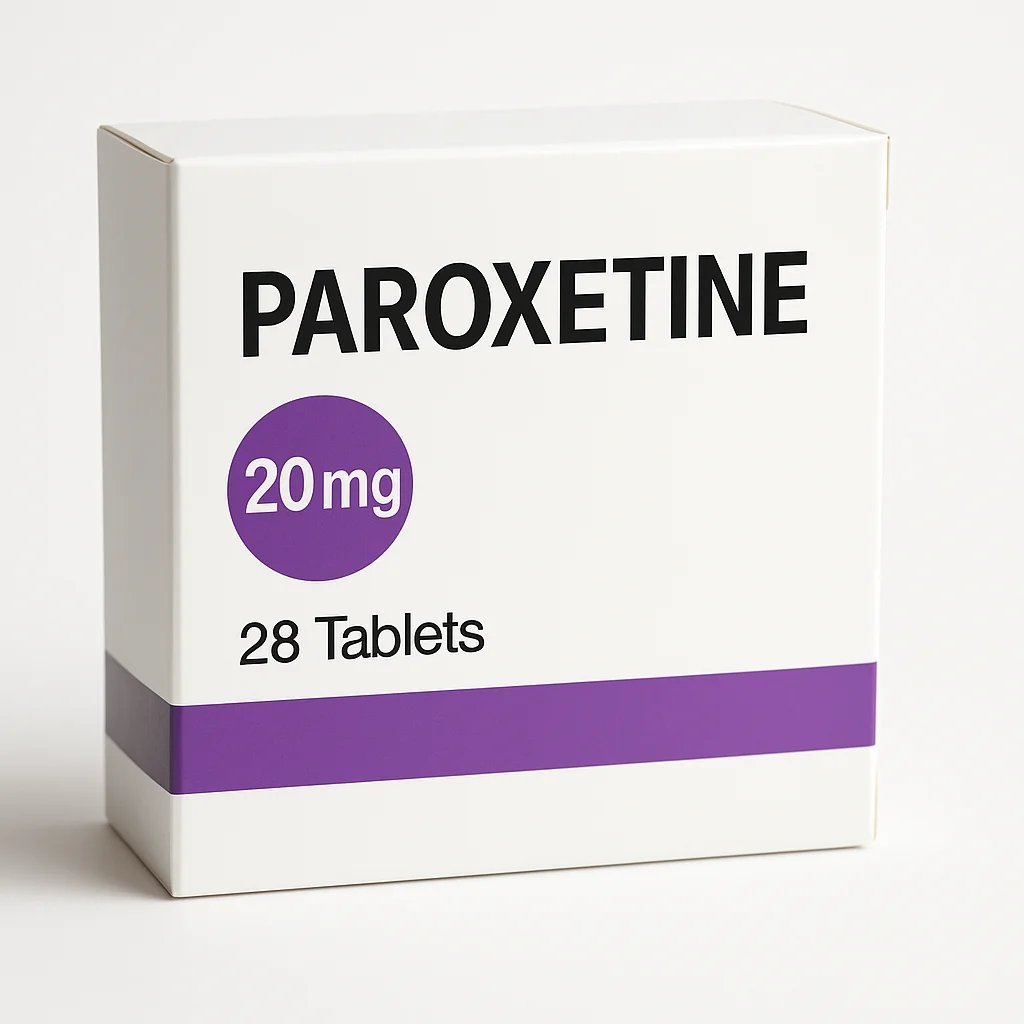
Immediate-release tablets: 10 mg, 20 mg, 30 mg, 40 mg
-
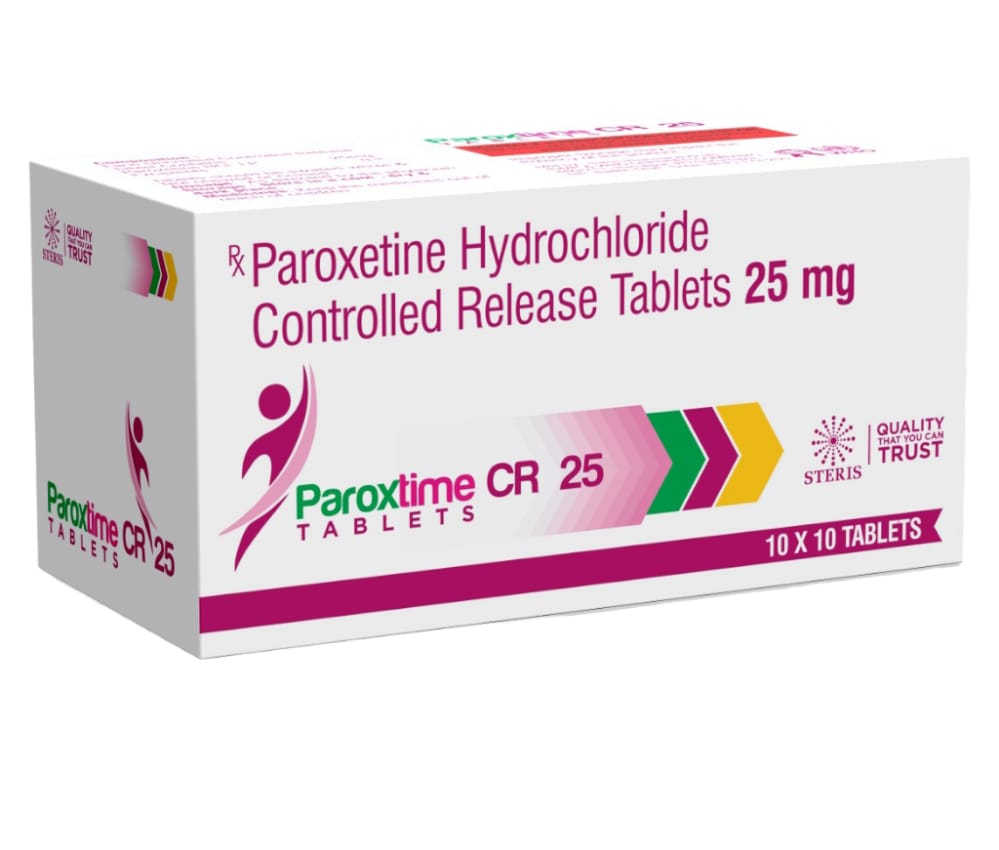
Controlled-release (Paxil CR): 12.5 mg, 25 mg, 37.5 mg
-
Oral suspension: 10 mg/5 mL
Is Paroxetine FDA-Approved for PTSD?
Yes. Paroxetine is one of only two SSRIs (along with sertraline) that carry an FDA-approved indication specifically for PTSD.
FDA approval means that clinical trials demonstrated statistically significant efficacy compared to placebo in reducing the core symptom clusters of PTSD:
-
Re-experiencing: Flashbacks, intrusive memories, nightmares
-
Avoidance: Evading reminders of the trauma
-
Hyperarousal: Hypervigilance, exaggerated startle response, insomnia, irritability
However, approval does not mean it is the best option for every individual. Treatment decisions should be personalized based on symptom profile, medical history, side effect tolerance, and patient preference.
How Does Paroxetine Work for PTSD?
PTSD is associated with dysregulation of the brain’s fear circuitry, particularly involving the amygdala (fear processing), hippocampus (memory contextualization), and prefrontal cortex (emotional regulation). Serotonin plays a critical modulatory role in these regions.
By inhibiting the reuptake of serotonin at the synaptic cleft, paroxetine:
-
Enhances serotonergic signaling
-
Reduces hyperreactivity of the amygdala to threat cues
-
Gradually dampens the exaggerated stress response
This effect is not immediate. Patients typically require 4 to 8 weeks at a therapeutic dose to experience meaningful symptom reduction.
Efficacy: How Well Does It Work?
Clinical Trial Data
In pivotal FDA trials, paroxetine demonstrated superiority over placebo in reducing total scores on the Clinician-Administered PTSD Scale (CAPS) , the gold standard for assessing PTSD severity. Response rates (defined as significant symptom improvement) ranged from 50–60% in active treatment groups compared to 30–40% in placebo groups.
Real-World Considerations
While paroxetine is effective, recent large-scale meta-analyses (including the 2023 Lancet Psychiatry network meta-analysis) have highlighted two important points:
-
The effect size is modest. Paroxetine’s effect size (a statistical measure of treatment benefit) is smaller than that of trauma-focused psychotherapies such as cognitive processing therapy (CPT) or eye movement desensitization and reprocessing (EMDR).
-
Tolerability challenges. Higher dropout rates due to side effects (especially weight gain and sexual dysfunction) make paroxetine less favorable than some other antidepressants in head-to-head comparisons.
Who Might Benefit Most?
Paroxetine may be particularly useful for individuals whose PTSD symptoms include:
-
Prominent insomnia or agitation (due to its sedating properties)
-
Co-occurring anxiety disorders (panic disorder, social anxiety)
-
Difficulty tolerating activating medications like fluoxetine (Prozac)
Dosage Guidelines for PTSD
Dosing for PTSD typically follows this pattern:
| Phase | Dosage | Duration |
|---|---|---|
| Initiation | 20 mg once daily (usually in the evening due to sedating effects) | Weeks 1–2 |
| Titration | Increase by 10–20 mg increments every 1–2 weeks based on response and tolerability | Weeks 3–6 |
| Therapeutic Range | 20 mg – 50 mg daily | Maintenance |
| Maximum | 50 mg daily (immediate-release) or 62.5 mg daily (controlled-release) | — |
Important considerations:
-
Starting at 10 mg may be appropriate for elderly patients or those sensitive to side effects
-
Full therapeutic benefit may take 8–12 weeks at a stable dose Paroxetine (Paxil) for PTSD
-
Controlled-release (Paxil CR) may offer smoother absorption and reduced nausea for some patients
Side Effects of Paroxetine
Paroxetine has a distinct side effect profile that differs from other SSRIs due to its:
-
High anticholinergic activity (blocks muscarinic acetylcholine receptors)
-
Short half-life (approximately 21 hours)
-
Potent serotonin reuptake inhibition
Common Side Effects (Occurring in >10% of patients)
| Side Effect | Approximate Incidence |
|---|---|
| Nausea | 20–25% |
| Somnolence (sedation) | 15–20% |
| Headache | 15% |
| Insomnia | 10–15% |
| Dry mouth | 10–15% |
| Constipation | 10% |
Notable Side Effects Requiring Consideration
1. Weight Gain
Paroxetine is associated with the highest risk of weight gain among SSRIs. Average weight gain ranges from 2–5 kg (4–11 lbs) over 6–12 months, with some patients gaining significantly more. This effect is dose-dependent and often leads to discontinuation.
2. Sexual Dysfunction
Rates of sexual side effects with paroxetine are among the highest in its class:
-
Decreased libido: 40–50%
-
Delayed ejaculation/anorgasmia: 40–60%
-
Erectile dysfunction: 15–20%
These effects may persist during treatment and, in rare cases, can continue after discontinuation (post-SSRI sexual dysfunction).
3. Sedation and Cognitive Effects
Due to its antihistaminergic and anticholinergic properties, paroxetine can cause:
-
Daytime drowsiness
-
Mental “fogginess”
-
Impaired concentration
For trauma survivors who already experience dissociation or cognitive sluggishness, this can be particularly problematic.
4. Anticholinergic Effects
Chronic anticholinergic burden is associated with:
-
Constipation
-
Blurred vision
-
Urinary hesitancy
-
Increased risk of cognitive decline and dementia in long-term use (particularly in older adults)
The Black Box Warning
Paroxetine carries an FDA Black Box Warning—the agency’s most serious safety warning—regarding suicidal thoughts and behaviors in children, adolescents, and young adults (ages 18–24) during the initial phases of treatment.
Key Points Paroxetine (Paxil) for PTSD
-
The risk is highest during the first 1–2 months of treatment
-
Close monitoring by a healthcare provider is essential
-
Patients should be advised to report any worsening of depression, agitation, irritability, or suicidal ideation immediately
This warning applies to all antidepressants, but paroxetine is not FDA-approved for use in pediatric populations. For adults over 24, the risk decreases, and for adults over 65, antidepressants may actually lower suicide risk.
Discontinuation Syndrome: Why Tapering Matters
Paroxetine has the most severe withdrawal profile of any SSRI. This is due to its short half-life (approximately 21 hours) combined with its potent serotonin reuptake inhibition.
What Is Discontinuation Syndrome?
When paroxetine is stopped abruptly or tapered too quickly, the brain’s serotonin system struggles to readjust, resulting in a constellation of symptoms:
| Symptom Category | Examples |
|---|---|
| Sensory | “Brain zaps” (electric shock sensations), dizziness, vertigo |
| Gastrointestinal | Nausea, vomiting, diarrhea |
| Neuropsychiatric | Anxiety, irritability, agitation, vivid nightmares |
| Flu-like | Fatigue, lethargy, muscle aches |
Tapering Guidelines
To minimize withdrawal:
-
Never stop abruptly. Even missing a single dose can trigger symptoms within 24 hours.
-
Slow taper: Reduce by 10 mg every 2–4 weeks under medical supervision.
-
“Hyperbolic tapering”: Some experts recommend reducing by a percentage of the current dose (e.g., 10% reduction per month) rather than a fixed milligram amount, especially at lower doses.
Withdrawal symptoms can mimic a relapse of PTSD or anxiety. It is essential to distinguish between the two with the help of a clinician.
Paroxetine vs. Sertraline (Zoloft) for PTSD
Sertraline (Zoloft) is the other SSRI with FDA approval for PTSD. Below is a comparison to help guide treatment decisions.
| Feature | Paroxetine (Paxil) | Sertraline (Zoloft) |
|---|---|---|
| FDA-Approved for PTSD | Yes | Yes |
| Half-Life | ~21 hours (short) | ~26 hours |
| Weight Gain Risk | High (highest among SSRIs) | Moderate |
| Sexual Dysfunction | Very high | Moderate to high |
| Sedation | High (often dosed at night) | Mild to moderate |
| Discontinuation Syndrome | Severe | Moderate |
| Drug Interactions | More (strong CYP2D6 inhibitor) | Fewer |
| Typical Starting Dose | 20 mg | 25–50 mg |
| Therapeutic Range | 20–50 mg | 50–200 mg |
Verdict
-
Choose paroxetine if: Insomnia is a dominant symptom, and you have tolerated SSRIs well in the past. Be prepared to manage weight and sexual side effects.
-
Choose sertraline if: You prefer a more favorable tolerability profile, are concerned about withdrawal, or have a history of poor tolerance to anticholinergic medications.
Paroxetine vs. Venlafaxine (Effexor XR) for PTSD
Venlafaxine (Effexor XR) is a serotonin-norepinephrine reuptake inhibitor (SNRI) that is widely used off-label for PTSD. Some recent meta-analyses suggest it may have a slight efficacy advantage over SSRIs.
| Feature | Paroxetine (Paxil) | Venlafaxine (Effexor XR) |
|---|---|---|
| FDA-Approved for PTSD | Yes | No (off-label) |
| Mechanism | SSRI | SNRI (serotonin + norepinephrine) |
| Effect Size (PTSD) | Moderate | Moderate to high |
| Weight Gain | High | Low to moderate |
| Blood Pressure | No effect | May increase (dose-dependent) |
| Discontinuation Syndrome | Severe | Severe |
| Sedation | High | Low to moderate |
Verdict
-
Choose paroxetine if: You prefer an FDA-approved option with established PTSD-specific data.
-
Choose venlafaxine if: Weight gain is a major concern, and you are willing to monitor blood pressure. Venlafaxine may offer slightly better efficacy for hyperarousal symptoms.
Combining Medication with Therapy
Medication alone is rarely the optimal treatment for PTSD. Current clinical guidelines—including those from the American Psychological Association (APA) and the U.S. Department of Veterans Affairs (VA/DoD) —strongly recommend trauma-focused psychotherapy as a first-line intervention. Paroxetine (Paxil) for PTSD
Evidence-Based Psychotherapies for PTSD
| Therapy | Description |
|---|---|
| Cognitive Processing Therapy (CPT) | Focuses on modifying maladaptive beliefs related to the trauma |
| Prolonged Exposure (PE) | Gradual, controlled confrontation of trauma reminders to reduce avoidance |
| Eye Movement Desensitization and Reprocessing (EMDR) | Uses bilateral stimulation to facilitate trauma processing |
Why Combination Treatment Matters
-
Effect sizes: Psychotherapies for PTSD have effect sizes (Cohen’s *d* = 1.0–1.5) that significantly exceed those of medications (*d* = 0.3–0.5).
-
Durability: Therapy effects tend to persist after treatment ends; medication effects typically relapse upon discontinuation.
-
Synergy: For patients with severe symptoms or co-occurring depression, medication can stabilize mood sufficiently to engage meaningfully in therapy.
Frequently Asked Questions
1. How long does paroxetine take to work for PTSD?
Initial improvement may be noticed within 2–4 weeks, but full therapeutic benefit often requires 8–12 weeks at a stable dose.
2. Can I drink alcohol while taking paroxetine?
Alcohol can worsen sedation and increase the risk of liver toxicity. It is generally advised to avoid or strictly limit alcohol consumption during treatment.
3. Is paroxetine safe during pregnancy?
Paroxetine is generally avoided during the first trimester due to a small but statistically significant increased risk of congenital heart defects (specifically ventricular septal defects). If used in the third trimester, neonates may experience withdrawal symptoms or persistent pulmonary hypertension. Discuss risks and benefits with a specialist.
4. Does paroxetine cause emotional blunting?
Many patients report reduced emotional range—sometimes described as feeling “numb” or “flat.” This can be beneficial for overwhelming anxiety but distressing for some individuals. Dose adjustment or switching medications may help.
5. Can I take paroxetine long-term?
Yes, paroxetine can be used as a long-term maintenance therapy. However, given the risks of weight gain, metabolic changes, and potential cognitive effects with chronic anticholinergic use, periodic reassessment with a clinician is essential.
Summary
Paroxetine (Paxil) is an FDA-approved medication for PTSD with demonstrated efficacy in reducing the core symptoms of re-experiencing, avoidance, and hyperarousal. However, its clinical utility is tempered by:
-
High rates of weight gain and sexual dysfunction
-
Significant sedation and anticholinergic effects
-
The most challenging withdrawal profile among SSRIs
For many patients, alternatives such as sertraline (Zoloft) or venlafaxine (Effexor XR) may offer a more favorable balance of efficacy and tolerability. Regardless of the medication chosen, the gold standard for PTSD treatment remains trauma-focused psychotherapy, with medication serving as a complementary tool.
If you are considering paroxetine for PTSD, work closely with a psychiatrist to weigh the benefits against the risks, monitor for side effects, and—if discontinuation becomes necessary—implement a slow, medically supervised taper.
| Paroxetine XR Tablets | 30 Pills., 50 Pills., 100 Pills. |
|---|---|
| Dosage | 20 mg., 30 mg., 50 mg. |
6 reviews for Paroxetine (Paxil) for PTSD
Add a review
Related products
ADHD MEDICATIONS
ADHD MEDICATIONS


ADHD MEDICATIONS
ADHD MEDICATIONS

ADHD MEDICATIONS

ADHD MEDICATIONS
OPIOIDS
ADHD MEDICATIONS
Deborah Peirson –
Great Chat!!
The customer service rep in the chat was very helpful. The chat process was quick and easy.
Deborah Matts –
The chat help function was easy, quick, and convenient. Rhea answered my questions efficiently and put my mind to ease about becoming a new customer.
Matthew Kutzin –
Always great, and prices are the best.
Mary Katson –
Very nice and professional. Easy to deal with. Prompt attention and response time.
John Giovannoni –
Had a great “chat” session with Pam and she was very helpful getting me back online.
Sue Dinsdale –
Very helpful and makes the process easy