
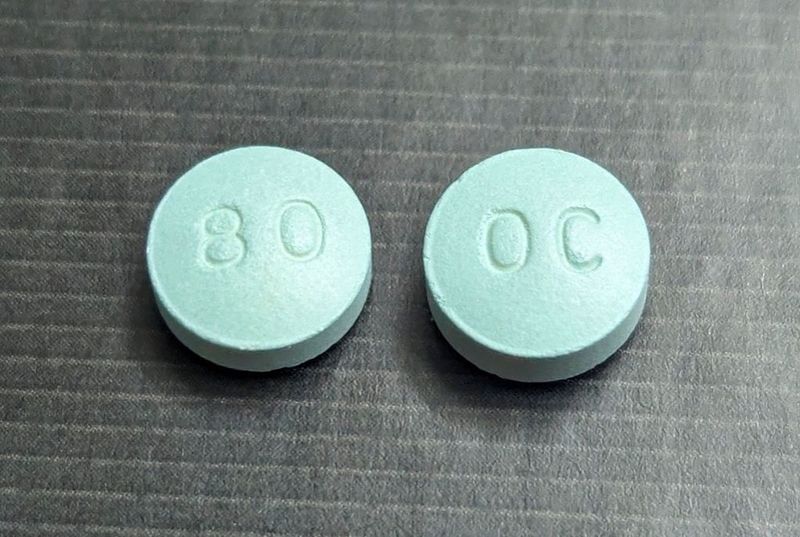
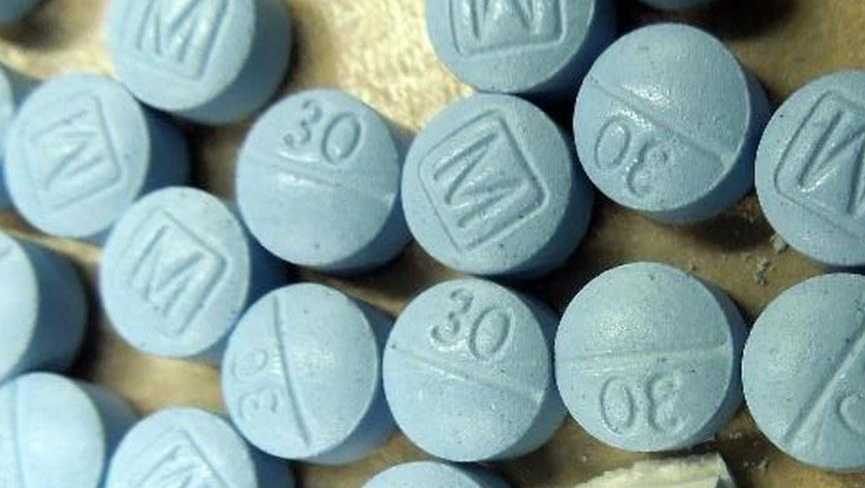
Oxycodone For Pain Relief

Price range: $140.00 through $750.00
Oxycodone for Pain Relief: Complete Medical Guide
What Is Oxycodone and How Does It Work for Pain?
Oxycodone is a potent semisynthetic opioid prescription medication approved for managing moderate to severe pain. It works by binding to opioid receptors in the brain and central nervous system to block pain signals.
Mechanism of Action
Oxycodone is a highly selective full agonist of the μ-opioid receptor, with additional activity at κ- and δ-opioid receptors . When oxycodone binds to these G-protein-coupled receptors, it triggers a cascade of effects:
-
Opens potassium channels and blocks calcium channels in neurons
-
Causes hyperpolarization of neurons in the brain, making nerve cells less excitable
-
Suppresses pain transmission to the brain
-
Inhibits nociceptive neurotransmitters including acetylcholine, dopamine, GABA, noradrenaline, and substance P
Oxycodone for Pain Relief: Complete Medical Guide
What Is Oxycodone and How Does It Work for Pain?
Oxycodone For Pain Relief. Oxycodone is a potent semisynthetic opioid prescription medication approved for managing moderate to severe pain. It works by binding to opioid receptors in the brain and central nervous system to block pain signals.
Mechanism of Action
Oxycodone is a highly selective full agonist of the μ-opioid receptor, with additional activity at κ- and δ-opioid receptors. When oxycodone binds to these G-protein-coupled receptors, it triggers a cascade of effects:
-
Opens potassium channels and blocks calcium channels in neurons
-
Causes hyperpolarization of neurons in the brain, making nerve cells less excitable
-
Suppresses pain transmission to the brain
-
Inhibits nociceptive neurotransmitters, including acetylcholine, dopamine, GABA, noradrenaline, and substance P.
FDA-Approved Indications
| Formulation | Approved Use |
|---|---|
| Immediate-release oxycodone | Management of acute or chronic moderate-to-severe pain when opioid medication is suitable and alternative treatments are inadequate |
| Extended-release oxycodone | Management of severe pain requiring continuous (24-hour) long-term opioid treatment when no alternative options exist |
| Abuse-deterrent formulations | Same indications with added properties to resist misuse and abuse |
Oxycodone Formulations and Strengths
Oxycodone is available in multiple formulations, both as a single ingredient and in combination with other analgesics. Oxycodone For Pain Relief
Immediate-Release Formulations
| Form | Available Strengths |
|---|---|
| Tablets | 5 mg, 10 mg, 15 mg, 20 mg, 30 mg |
| Capsules | 5 mg |
| Oral solution | 5 mg/5 mL |
| Oral concentrate | 100 mg/5 mL |
Note: The 160 mg dose was discontinued in May 2001 due to high misuse potential .
H3: Extended-Release Formulations
| Form | Available Strengths |
|---|---|
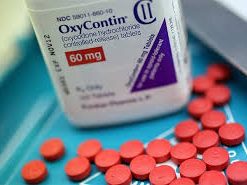
| Extended-release tablets | 10 mg, 15 mg, 20 mg, 30 mg, 40 mg, 60 mg, 80 mg |
⚠️ Critical Warning: Extended-release tablets must be swallowed whole. Crushing, chewing, or dissolving them can cause rapid release and absorption of a potentially fatal dose .
H3: Abuse-Deterrent Formulations
| Strength | Notes |
|---|---|
| 9 mg, 13.5 mg, 18 mg, 27 mg, 36 mg | Contains inactive ingredients to resist misuse |
Combination Products
Oxycodone is also available in combination with:
-
Acetaminophen (most common, e.g., 5 mg/325 mg, 10 mg/325 mg)
-
Aspirin
-
Ibuprofen
Oxycodone Dosage Guidelines for Pain Relief
General Principles
-
Use the lowest effective dosage for the shortest duration consistent with individual patient treatment goals
-
Many acute pain conditions (surgical procedures, acute musculoskeletal injuries) require no more than a few days of opioid analgesia
-
Individualize dosing based on pain severity, prior treatment response, and risk factors for addiction
Adult Dosing for Acute Pain
| Patient Status | Recommended Initial Dose |
|---|---|
| Opioid-naïve adults | 5 mg to 15 mg every 4 to 6 hours as needed |
| Titration | Increase gradually based on response, monitoring for adverse effects |
Adult Dosing for Chronic Pain
| Recommendation | Details |
|---|---|
| Starting dose | 2.5 mg to 10 mg every 4 to 6 hours |
| Schedule | Take at regularly scheduled intervals to prevent pain recurrence |
| Titration | Titrate slowly upward, starting at lowest effective dose |
Oxycodone/Acetaminophen Combination Dosing
| Strength | Usual Adult Dosage | Maximum Daily Dose (acetaminophen limit) |
|---|---|---|
| 2.5 mg/325 mg | 1-2 tablets every 6 hours as needed | 12 tablets |
| 5 mg/325 mg | 1 tablet every 6 hours as needed | 12 tablets |
| 7.5 mg/325 mg | 1 tablet every 6 hours as needed | 8 tablets |
| 10 mg/325 mg | 1 tablet every 6 hours as needed | 6 tablets |
Critical Safety Note: The total daily dose of acetaminophen should not exceed 4 grams from all sources . Acetaminophen overdose can cause acute liver failure, sometimes leading to liver transplant or death .
H3: Dosing in Special Populations
Hepatic impairment :
-
Initiate at one-third to one-half the usual starting dose
-
Titrate slowly with close monitoring
Renal impairment :
| Creatinine Clearance (CrCl) | Recommendation |
|---|---|
| CrCl > 60 mL/min | No adjustment needed |
| CrCl < 30 mL/min | Reduce dose to 75% to 50% of usual dose |
Renal impairment (specific guidance from NHS) :
| Condition | Oral Oxycodone Dose |
|---|---|
| Hemodialysis or peritoneal dialysis | 2.5 mg every 6 hours when required |
| CrCl < 20 mL/min | 2.5 mg every 6 hours when required |
| CrCl < 30 mL/min | 2.5 mg to 5 mg every 6 hours when required |
| Opioid-naïve, frail elderly | Consider lower doses |
Older patients :
-
Initiate at one-third to one-half the usual starting dose
-
Titrate slowly with close monitoring
Pharmacokinetics: How the Body Processes Oxycodone
| Parameter | Immediate-Release | Extended-Release |
|---|---|---|
| Onset of action | 10 to 30 minutes | About 1 hour |
| Time to peak | Information missing | 4-5 hours |
| Duration | 3 to 6 hours | 12 hours |
| Half-life | 3.2 hours | 4.5 hours |
| Bioavailability | 60% to 87% (unaffected by food) | Information missing |
| Protein binding | 45% (primarily to serum albumin) | Information missing |
| Volume of distribution | 2.6 L/kg | Information missing |
| Clearance | 0.8 L/min | Information missing |
Metabolism and Elimination
-
Metabolism: Primarily hepatic via CYP3A4 (produces noroxycodone) and CYP2D6 (produces oxymorphone)
-
Oxymorphone has greater affinity for μ-opioid receptors than oxycodone
-
Elimination: Metabolites excreted via kidneys
Benefits of Oxycodone for Pain Management
When properly prescribed and monitored, oxycodone can provide significant benefits:
-
Effective analgesia for moderate to severe pain
-
Multiple formulation options for different pain types and durations
-
Predictable pharmacokinetics with good oral bioavailability
-
Available in combination products for multimodal analgesia
-
Abuse-deterrent formulations available to reduce misuse potential
Side Effects of Oxycodone
Common Side Effects (>5% of patients)
| System | Side Effects |
|---|---|
| Gastrointestinal | Constipation (most common), nausea, vomiting, dry mouth, anorexia, abdominal pain |
| Nervous system | Drowsiness, dizziness, headache, somnolence, asthenia, confusion, irritability |
| Dermatologic | Pruritus (itching), sweating |
| General | Fatigue |
Serious Adverse Effects (Require Immediate Medical Attention)
| System | Serious Effects |
|---|---|
| Respiratory | Life-threatening respiratory depression |
| Cardiovascular | Bradycardia, hypotension, palpitations, cardiac arrest, circulatory depression |
| Neurologic | Seizures, hallucinations, increased intracranial pressure |
| Psychiatric | Agitation, confusion, serotonin syndrome (when combined with serotonergic drugs) |
| Endocrine | Adrenal insufficiency, androgen deficiency (with chronic use) |
| Metabolic | Hypoglycemia |
| Allergic | Anaphylaxis, hypersensitivity reactions |
| Other | Opioid-induced hyperalgesia (increased pain sensitivity) |
Opioid-Induced Hyperalgesia (OIH)
OIH occurs when opioid analgesics paradoxically cause an increase in pain or sensitivity to pain. If OIH is suspected, carefully consider appropriately decreasing the dose of the current opioid analgesic or opioid rotation.
Constipation Management
Constipation is the most common overall adverse effect of oxycodone. To prevent severe constipation:
-
Take laxatives as directed by your doctor
-
Drink plenty of fluids
-
Increase fiber in your diet
Critical Warnings and Safety Information
BLACK BOX WARNINGS (FDA’s Strongest Warning)
1. Addiction, Abuse, and Misuse
-
Oxycodone exposes users to risks of addiction, abuse, and misuse, which can lead to overdose and death
-
Assess patient’s risk before prescribing and monitor regularly
-
Schedule II controlled substance classification reflects high abuse potential
2. Life-Threatening Respiratory Depression
-
Serious, life-threatening, or fatal respiratory depression may occur, especially during initiation or following a dosage increase. Oxycodone For Pain Relief
-
Monitor closely, particularly in the first 24-72 hours of treatment
3. Accidental Ingestion
-
Accidental ingestion of even one dose, especially by children, can result in fatal overdose
4. Neonatal Opioid Withdrawal Syndrome
-
Prolonged use during pregnancy can result in life-threatening withdrawal in newborns
-
Ensure management by neonatology experts will be available at delivery
5. Risks from Concomitant Use with Benzodiazepines or Other CNS Depressants
-
Concomitant use may result in profound sedation, respiratory depression, coma, and death
-
Reserve concomitant prescribing for patients with no alternative treatment options
-
Limit dosages and durations to minimum required
6. CYP3A4 Interaction
-
Concomitant use with CYP3A4 inhibitors (or discontinuation of CYP3A4 inducers) can result in fatal overdose
-
Monitor patients receiving oxycodone with any CYP3A4 inhibitor or inducer
7. Hepatotoxicity (for combination products with acetaminophen)
-
Acetaminophen has been associated with acute liver failure
-
Most cases involve doses exceeding 4,000 mg per day
-
Often involves more than one acetaminophen-containing product
Contraindications
Do NOT take oxycodone if you have:
-
Significant respiratory depression
-
Acute or severe bronchial asthma in an unmonitored setting or absence of resuscitative equipment
-
Known or suspected gastrointestinal obstruction, including paralytic ileus
-
Known hypersensitivity (e.g., anaphylaxis) to oxycodone
Drug Interactions
| Interacting Drug Class | Clinical Impact | Intervention |
|---|---|---|
| CYP3A4 inhibitors (erythromycin, ketoconazole, ritonavir) | Increase oxycodone plasma concentration → increased/prolonged opioid effects | Consider dosage reduction; monitor for respiratory depression |
| CYP3A4 inducers (rifampin, carbamazepine, phenytoin) | Decrease oxycodone plasma concentration → decreased efficacy or withdrawal | Consider dosage increase; monitor for withdrawal |
| Benzodiazepines and CNS depressants (alcohol, sedatives, tranquilizers) | Additive CNS depression → hypotension, respiratory depression, coma, death | Reserve for patients with no alternatives; limit dosages; monitor closely |
| Serotonergic drugs (SSRIs, SNRIs, MAOIs) | Serotonin syndrome risk (agitation, hallucinations, fast heart rate, fever, muscle rigidity) | Monitor for symptoms; discontinue oxycodone if serotonin syndrome suspected |
| MAOIs | Can potentiate opioid effects | Avoid concomitant use or within 14 days of stopping MAOI |
| Mixed agonist/antagonist opioids | May reduce analgesic effect or precipitate withdrawal | Avoid concomitant use |
Opioid Overdose Prevention and Naloxone
Naloxone Access
Discuss naloxone (opioid overdose reversal agent) with patients and caregivers :
-
Assess each patient’s need for access to naloxone when initiating and renewing treatment
-
Consider prescribing naloxone based on risk factors:
-
History of opioid use disorder
-
Prior opioid overdose
-
Concomitant use of CNS depressants
-
Household members (including children) at risk for accidental ingestion
-
Patient Education on Naloxone
-
How to treat with naloxone in the event of an opioid overdose
-
Tell family and friends about naloxone and keep it accessible in emergencies
-
Read Patient Information before an opioid emergency happens
Overdose Symptoms
-
Extreme dizziness or weakness
-
Slow heartbeat or breathing
-
Seizures
-
Trouble breathing
-
Cold, clammy skin
-
Blue lips and fingernails
If overdose is suspected: Call 911 immediately
Safe Use and Storage Guidelines
Safe Use
-
Take exactly as prescribed—do not change dose without consulting your healthcare provider
-
Use the lowest dose possible for the shortest time needed
-
Do not drink alcohol—increases risk of liver damage and fatal respiratory depression
-
Do not drive or operate heavy machinery until you know how oxycodone affects you
-
Do not share your medication with anyone—it’s dangerous and against the law
Proper Storage
-
Store securely, out of sight and reach of children
-
Keep in a location not accessible by others, including visitors
-
Store at room temperature away from moisture and heat
Disposal of Unused Medication
-
If a drug take-back option is not readily available, promptly dispose of expired, unwanted, or unused oxycodone by flushing down the toilet
-
Visit www.fda.gov/drugdisposal for additional information
Safe Discontinuation and Withdrawal
Tapering Protocol
Do not abruptly discontinue oxycodone in a physically dependent patient. Rapid discontinuation has resulted in :
-
Serious withdrawal symptoms
-
Uncontrolled pain
-
Suicide
-
Attempts to find other sources of opioid analgesics, including illicit opioids
Recommended Tapering Approach
| Element | Recommendation |
|---|---|
| Starting point | Decrease by no greater than 10% to 25% of total daily dose |
| Interval | Every 2 to 4 weeks |
| Monitoring | Frequent reassessment for pain and withdrawal symptoms |
Withdrawal Symptoms
| Category | Symptoms |
|---|---|
| Early symptoms | Restlessness, lacrimation (tearing), rhinorrhea (runny nose), yawning, perspiration, chills, myalgia (muscle pain), mydriasis (dilated pupils) |
| Later symptoms | Irritability, anxiety, backache, joint pain, weakness, abdominal cramps, insomnia, nausea, anorexia, vomiting, diarrhea, increased blood pressure, respiratory rate, or heart rate |
Special Populations
Pregnancy Considerations
-
Opioids cross the placental barrier
-
Prolonged use may result in neonatal opioid withdrawal syndrome (life-threatening if not recognized and treated)
-
Other risks: preterm delivery, congenital abnormalities, reduced fetal growth
-
Discuss risks with pregnant women or consider alternatives
Breastfeeding Considerations
-
Oxycodone is excreted into human milk in variable concentrations
-
Monitor infants for excessive sedation and respiratory depression
-
Monitor for withdrawal symptoms when nursing mother discontinues oxycodone
-
Some sources recommend not exceeding 30 mg while breastfeeding; others recommend avoiding use entirely
Pediatric Use
-
Chronic pain: Titrate slowly upward, starting at lowest possible dose
-
Take at regularly scheduled intervals to prevent pain recurrence
Opioid REMS (Risk Evaluation and Mitigation Strategy)
To ensure benefits outweigh risks of addiction, abuse, and misuse, the FDA has required a REMS for opioid analgesics.
Healthcare providers are strongly encouraged to :
-
Complete a REMS-compliant education program
-
Counsel patients and/or caregivers with every prescription on safe use, serious risks, storage, and disposal
-
Emphasize the importance of reading the Medication Guide every time it’s dispensed
-
Consider patient-prescriber agreements to reinforce responsibilities
Alternatives to Oxycodone for Pain Relief
Non-Opioid Pharmacological Options
| Option | Examples |
|---|---|
| Non-opioid analgesics | Acetaminophen, NSAIDs (ibuprofen, naproxen) |
| Adjuvant analgesics | Gabapentinoids, antidepressants for neuropathic pain |
| Topical agents | Lidocaine, NSAID patches, capsaicin |
Non-Pharmacological Approaches
-
Physical therapy
-
Cognitive behavioral therapy (CBT)
-
Acupuncture
-
Chiropractic care
-
Mind-body techniques (meditation, relaxation)
FAQs About Oxycodone for Pain Relief
How quickly does oxycodone start working?
Immediate-release oxycodone starts working within 10 to 30 minutes. Extended-release formulations take about 1 hour for onset.
H3: How long does oxycodone last?
Immediate-release formulations last 3 to 6 hours. Extended-release formulations last approximately 12 hours.
Is oxycodone stronger than morphine?
The oxycodone to morphine dose equivalent ratio is approximately 1:1.5 for immediate-release and 1:2 for extended-release formulations.
Can I drink alcohol while taking oxycodone?
No. Alcohol combined with oxycodone increases the risk of severe drowsiness, decreased awareness, breathing problems, coma, and death. For combination products with acetaminophen, alcohol also increases liver damage risk.
Is oxycodone addictive?
Yes, oxycodone has a high potential for addiction and abuse. It is classified as a Schedule II controlled substance. When taken exactly as prescribed for short-term pain, addiction risk is lower but still present.
How should I store oxycodone?
Store securely, out of sight and reach of children, in a location not accessible by others. Do not store in easily accessible areas.
What should I do if I miss a dose?
For immediate-release formulations taken as needed, skip the missed dose and take your next dose at the regular time. Do not double up.
Can I drive while taking oxycodone?
Oxycodone may impair mental or physical abilities needed for driving or operating machinery. Do not drive until you know how oxycodone affects you.
Resources and Support
Addiction and Substance Use Support
-
SAMHSA National Helpline: 1-800-662-HELP (4357)
-
Local addiction treatment centers
-
Medication-assisted treatment (MAT) options for opioid use disorder
| Oxycodone Pills | 50 Pills., 75 Pills., 100 Pills. |
|---|---|
| Dosage | 5 mg., 10 mg., 15 mg., 20mg., 40 mg., 60 mg., 80 mg. |
6 reviews for Oxycodone For Pain Relief
Add a review
Related products
CODEINE COUGH SYRUP
CODEINE COUGH SYRUP
CODEINE COUGH SYRUP
OPIOIDS
PAIN RELIEF MEDICATION
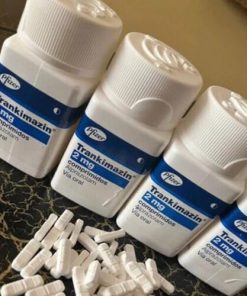
ADHD MEDICATIONS
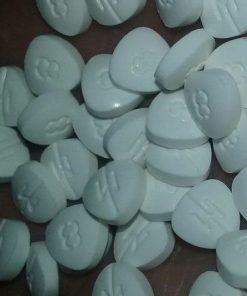
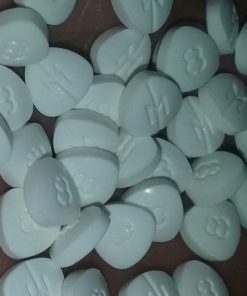
OPIOIDS
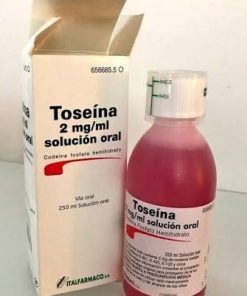
PAIN RELIEF MEDICATION
Mark Jefferson –
Quite easy now that I know the process!
Relatively easy considering I haven’t done this sort of order Rx online and I wasn’t really prepared with digitized Rx ID and check, because I wasn’t sure how all this works. It did take a few minutes to coordinate between mobile and laptop; however, Anne was incredibly patient, and it’s a comfort knowing that I will have the prescribed drug I need to keep my lungs happy no matter what happens with Medicare/Medicaid… it will also be lots easier when I request a refill.
Sally Pearson –
Marcus was very helpful. Because of him, I will become a member.
Debra Schlee –
Customer service is top notch.
Elizabeth W –
The quick response of the agent and the total satisfaction that I got my issue handled completely and timely! thank you
Peter Gibsson –
Always easy to access and get our medications. Jason, Today, patiently walked us through the process, even though we have done it before; it is sometimes a challenge.
Anne Fiona –
I used their Chat screen to ask a question about my order, and Heizel replied quickly, under a minute, to check it out for me. Can’t ask for better than that! Thank you, Global Wellness Pharmacy!