
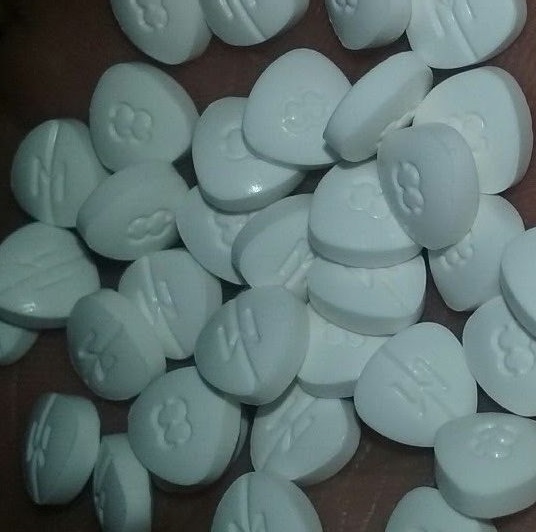
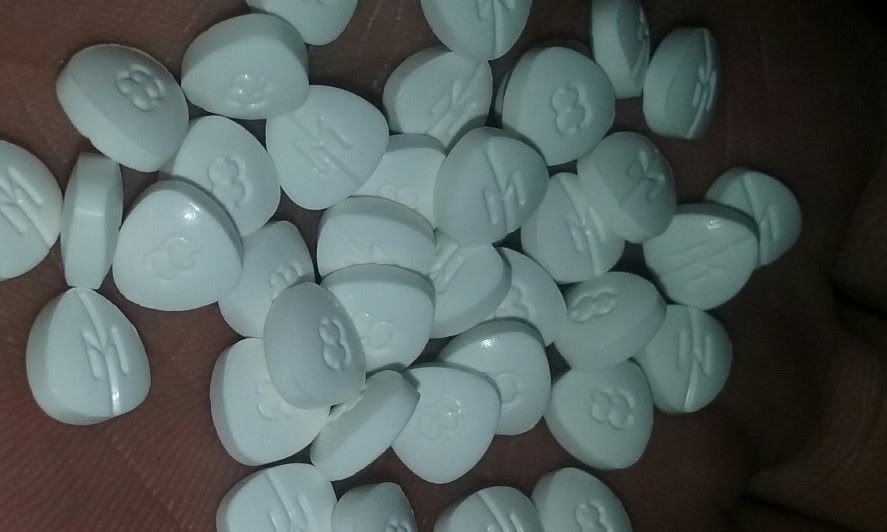
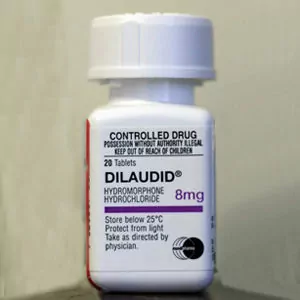
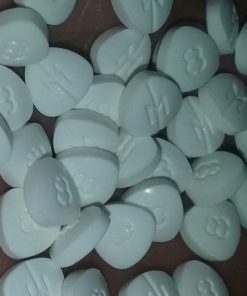
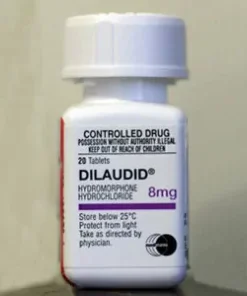
Dilaudid for Pain Management

Price range: $157.00 through $1,400.00
What Is Dilaudid (Hydromorphone)?
Dilaudid is the brand name for hydromorphone hydrochloride, a semi-synthetic opioid analgesic derived from morphine. It is approximately 5 to 10 times more potent than morphine on a milligram-to-milligram basis, making it one of the most potent opioids available for pain management.
| Property | Details |
|---|---|
| Generic Name | Hydromorphone |
| Brand Names | Dilaudid, Exalgo (extended-release) |
| Drug Class | Opioid analgesic (Schedule II controlled substance) |
| DEA Schedule | Schedule II (high potential for abuse) |
| Potency | 5–10x more potent than morphine |
| Route of Administration | Oral tablets, oral liquid, injectable, suppository |
Dilaudid (Hydromorphone) for Pain Management: Uses, Risks, and Alternatives
Dilaudid for Pain Management. Dilaudid is a powerful prescription opioid medication used to manage moderate to severe pain. While it is highly effective in clinical settings, it carries significant risks, including dependence, addiction, and respiratory depression. This guide provides an evidence-based overview for educational purposes.
What Is Dilaudid (Hydromorphone)?
Dilaudid is the brand name for hydromorphone hydrochloride, a semi-synthetic opioid analgesic derived from morphine. It is approximately 5 to 10 times more potent than morphine on a milligram-to-milligram basis, making it one of the most potent opioids available for pain management.
| Property | Details |
|---|---|
| Generic Name | Hydromorphone |
| Brand Names | Dilaudid, Exalgo (extended-release) |
| Drug Class | Opioid analgesic (Schedule II controlled substance) |
| DEA Schedule | Schedule II (high potential for abuse) |
| Potency | 5–10x more potent than morphine |
| Route of Administration | Oral tablets, oral liquid, injectable, suppository |
FDA-Approved Uses
Dilaudid is FDA-approved for the management of moderate to severe pain in patients who require an opioid analgesic and for whom alternative treatments are inadequate. Dilaudid for Pain Management
Approved Indications
| Indication | Details |
|---|---|
| Acute Pain | Post-surgical pain, trauma, injury-related pain |
| Chronic Pain | Cancer pain, severe chronic pain not responsive to non-opioid therapies |
| Breakthrough Pain | For patients already on long-acting opioids |
Important Limitation
Dilaudid is not indicated for mild pain or for pain that can be managed with non-opioid alternatives. It is reserved for cases where the benefits of potent opioid therapy outweigh the significant risks.
How It Works
Hydromorphone binds to mu-opioid receptors in the central nervous system (CNS). This binding:
-
Inhibits the release of neurotransmitters involved in pain signaling (substance P, glutamate)
-
Activates descending pain inhibition pathways
-
Alters the perception of and emotional response to pain
Pharmacokinetics
| Parameter | Immediate-Release | Extended-Release |
|---|---|---|
| Onset of Action | 15–30 minutes | 6–8 hours |
| Peak Effect | 1–2 hours | 12–16 hours |
| Duration | 3–6 hours | 24 hours |
| Half-Life | 2–3 hours | 11 hours |
Dosage and Administration
Dilaudid dosing is highly individualized based on:
-
Prior opioid exposure
-
Pain severity
-
Renal function (hydromorphone is renally excreted)
-
Age and overall health status
Typical Starting Doses (Opioid-Naïve Patients)

| Formulation | Starting Dose | Frequency |
|---|---|---|
| Immediate-Release Oral | 2–4 mg | Every 4–6 hours as needed |
| Extended-Release (Exalgo) | 8–16 mg | Once daily |
| Injectable (IV/IM) | 0.5–1 mg | Every 3–4 hours as needed |
Common Side Effects (10–30% incidence)
| Side Effect | Management |
|---|---|
| Nausea and vomiting | Often transient; antiemetics may help |
| Constipation | Requires proactive management (stool softeners, laxatives, hydration) |
| Drowsiness and sedation | Avoid driving or operating machinery |
| Dizziness | Rise slowly from sitting/lying positions |
| Headache | Usually mild and temporary |
Serious Adverse Effects
| Effect | Warning Signs |
|---|---|
| Respiratory Depression | Slow, shallow breathing; confusion; extreme sedation—requires immediate medical attention |
| Opioid-Induced Hyperalgesia | Paradoxical increase in pain sensitivity with prolonged use |
| Adrenal Insufficiency | Nausea, vomiting, fatigue, low blood pressure |
| Serotonin Syndrome | (Rare, but possible if combined with serotonergic drugs) Agitation, rapid heart rate, fever |
Serious Risks: Addiction, Overdose, and Respiratory Depression
Addiction and Dependence
Hydromorphone has a high potential for abuse and addiction. Even when taken as prescribed, physical dependence occurs with prolonged use. Withdrawal symptoms include: Dilaudid for Pain Management
-
Anxiety and agitation
-
Muscle aches and bone pain
-
Diarrhea and vomiting
-
Insomnia and dilated pupils
Overdose
Opioid overdose is a medical emergency. Signs include:
-
Pinpoint pupils
-
Respiratory depression (fewer than 10 breaths per minute)
-
Unresponsiveness or coma
-
Blue-tinged lips or fingernails
Naloxone (Narcan) can reverse opioid overdose. Patients prescribed high-dose opioids should have access to naloxone.
Respiratory Depression
This is the most feared complication of opioid therapy. Hydromorphone suppresses the brainstem’s response to carbon dioxide, leading to potentially fatal respiratory failure. Risk is highest during:
-
Initial dose titration
-
Concurrent use of benzodiazepines, alcohol, or other CNS depressants
-
Renal impairment (accumulation of active metabolites)
Dilaudid vs. Other Opioids
| Opioid | Relative Potency | Onset | Duration | Key Considerations |
|---|---|---|---|---|
| Morphine | 1x | Moderate | 3–6 hours | Gold standard; active metabolite (M6G) accumulates in renal impairment |
| Hydromorphone (Dilaudid) | 5–10x | Rapid | 3–6 hours (IR); 24 hours (ER) | Preferred in renal impairment; higher abuse potential |
| Oxycodone | 1.5x | Moderate | 3–6 hours | Widely prescribed; high abuse rates |
| Fentanyl | 50–100x | Very rapid | Variable | Transdermal for chronic pain; IV for acute; highest potency |
| Hydrocodone | 1x | Moderate | 4–6 hours | Often combined with acetaminophen (e.g., Vicodin) |
When Dilaudid Is Preferred
-
Patients with renal impairment (less accumulation of active metabolites than morphine)
-
Patients who experience histamine release (itching, flushing) with morphine
-
Severe acute pain requiring potent, rapid relief
Non-Opioid Alternatives for Pain Management
Before initiating opioid therapy, guidelines recommend considering or combining non-opioid approaches.
Non-Opioid Medications
| Class | Examples | Best For |
|---|---|---|
| NSAIDs | Ibuprofen, naproxen, celecoxib | Inflammatory pain, musculoskeletal pain |
| Acetaminophen | Tylenol | Mild to moderate pain |
| Gabapentinoids | Gabapentin, pregabalin | Neuropathic pain, fibromyalgia |
| Muscle Relaxants | Cyclobenzaprine, tizanidine | Muscle spasm-associated pain |
| Antidepressants | Duloxetine, amitriptyline | Chronic pain, neuropathic pain |
Non-Pharmacological Approaches
| Modality | Applications |
|---|---|
| Physical Therapy | Rehabilitation, strengthening, mobility |
| Cognitive Behavioral Therapy (CBT) | Pain coping skills, addressing fear-avoidance |
| Acupuncture | Chronic pain, postoperative pain |
| Interventional Procedures | Nerve blocks, epidural injections, radiofrequency ablation |
| Mind-Body Practices | Mindfulness, meditation, biofeedback |
Safe Use Guidelines
For patients prescribed Dilaudid, the following safety measures are essential:
1. Take Exactly as Prescribed
-
Do not crush, chew, or dissolve extended-release formulations—this can cause fatal rapid release
-
Do not increase dose without consulting your prescriber
2. Avoid Alcohol and CNS Depressants
-
Alcohol, benzodiazepines (Xanax, Valium), and other sedatives significantly increase the risk of respiratory depression
3. Store Securely
-
Dilaudid is a target for diversion. Store in a locked location away from children, pets, and visitors
4. Dispose of Unused Medication
-
Use an authorized drug take-back program or follow FDA guidelines for flushing (for certain opioids) to prevent accidental exposure
5. Have Naloxone Available
-
Discuss obtaining a naloxone prescription with your provider, especially if:
-
You are taking high doses (≥50 MME/day)
-
You have a history of substance use disorder
-
You are taking benzodiazepines concurrently
-
6. Regular Monitoring
-
Expect periodic urine drug screens and prescription monitoring program (PMP) checks
-
Schedule regular follow-ups to reassess pain, function, and risk
Frequently Asked Questions
1. Is Dilaudid stronger than morphine?
Yes. Hydromorphone is approximately 5 to 10 times more potent than morphine on a milligram basis. For example, 2 mg of hydromorphone is roughly equivalent to 10 mg of morphine.
2. Can I take Dilaudid with other pain medications?
Sometimes, but only under medical supervision. Combining Dilaudid with acetaminophen or NSAIDs may allow for lower opioid doses. However, combining with other CNS depressants (benzodiazepines, alcohol, muscle relaxants) is dangerous.
3. How long can I safely take Dilaudid?
For acute pain, treatment is typically limited to 3–7 days. For chronic pain, therapy requires careful risk-benefit assessment, regular monitoring, and consideration of non-opioid alternatives.
4. What should I do if I miss a dose?
For immediate-release: take when remembered unless it is close to the next dose—do not double up. For extended-release: if within 12 hours of the missed dose, take it; otherwise skip and resume the next day.
5. Can I drive while taking Dilaudid?
No. Dilaudid causes significant sedation and impairment. Do not drive or operate heavy machinery until you know how the medication affects you—and even then, caution is advised.
6. Is Dilaudid addictive?
Yes. Hydromorphone has a high potential for addiction. Physical dependence is expected with prolonged use, but addiction (compulsive use despite harm) is a distinct risk that requires careful patient selection and monitoring.
| Dilaudid Pills | 50 Pills., 100 Pills., 200 Pills. |
|---|---|
| Dosage | 2 mg., 4 mg., 8 mg., 15 mg. |
5 reviews for Dilaudid for Pain Management
Add a review
Related products
OPIOIDS
PAIN RELIEF MEDICATION
OPIOIDS
PAIN RELIEF MEDICATION
CODEINE COUGH SYRUP
OPIOIDS
ADHD MEDICATIONS
CODEINE COUGH SYRUP
Jeanine Langford –
Responsive and helpful!
A very easy transaction, helpful chat. Quick responses! So far I have nothing but good to say!
Sally Chastain Evans –
Good customer service…had problems with them accepting the script from my Dr. Finally got it cleared up.
Good price compared to USA prices for my injection.
Tom Yans –
I wanted help with payment and the agent did it for me. Also was able to put lifetime shipping on it too.
Monica Yakins –
They are providing my medication for great prices in my country USA.
Paula Catlin –
Resolution of the question and concern quickly!