
Percocet For Pain Management
Price range: $400.00 through $1,200.00
What Is Percocet and How Does It Work for Pain?
Percocet is a prescription combination medication containing two active ingredients: oxycodone hydrochloride (an opioid agonist) and acetaminophen (a non-opioid analgesic and antipyretic). It is classified as a Schedule II controlled substance due to its high potential for abuse, addiction, and misuse.
FDA-Approved Indications
Percocet is indicated for the management of acute and chronic pain severe enough to require an opioid analgesic and for which alternative treatments are inadequate.
Percocet for Pain Management: Complete Medical Guide
What Is Percocet and How Does It Work for Pain?
Percocet For Pain Management. Percocet is a prescription combination medication containing two active ingredients: oxycodone hydrochloride (an opioid agonist) and acetaminophen (a non-opioid analgesic and antipyretic). It is classified as a Schedule II controlled substance due to its high potential for abuse, addiction, and misuse.
FDA-Approved Indications
Percocet is indicated for the management of acute and chronic pain severe enough to require an opioid analgesic and for which alternative treatments are inadequate. This includes:
-
Post-surgical pain
-
Injury-related pain
-
Cancer pain
-
Other conditions causing moderate to severe pain that cannot be managed with non-opioid alternatives
Important Limitation: Percocet should only be used when non-opioid pain treatments have not been tolerated, are not expected to be tolerated, have not provided adequate analgesia, or are not expected to provide adequate analgesia.
Mechanism of Action
Oxycodone Component:
Oxycodone is a full opioid agonist with relative selectivity for the mu-opioid receptor, although it can interact with other opioid receptors at higher doses. The principal therapeutic action is analgesia. Like all full opioid agonists, there is no ceiling effect for analgesia with oxycodone—meaning higher doses produce greater pain relief, but also carry greater risks.
The precise mechanism of analgesic action involves binding to specific CNS opioid receptors throughout the brain and spinal cord, blocking pain signal transmission.
Acetaminophen Component:
The precise mechanism of acetaminophen’s analgesic properties is not fully established but is thought to involve central actions in the brain and spinal cord. Acetaminophen addresses pain in multiple ways, potentially allowing for lower opioid doses.
Percocet Formulations and Strengths: Percocet For Pain Management
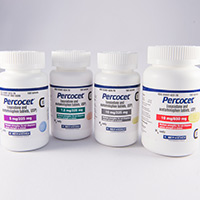
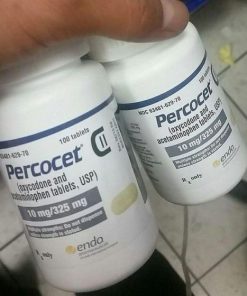
Percocet is available in four immediate-release tablet strengths, each containing 325 mg of acetaminophen with varying amounts of oxycodone hydrochloride :
| Strength | Tablet Description | NDC Code |
|---|---|---|
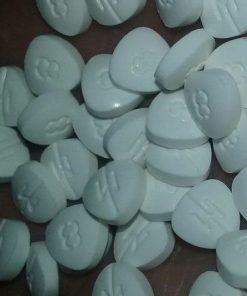
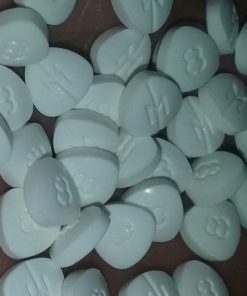
| 2.5 mg/325 mg | Pink, oval, debossed with “PERCOCET” on one side and “2.5” on the other | 63481-627-70 |
| 5 mg/325 mg | Blue, round, debossed with “PERCOCET” and “5” on one side, bisect on the other | 63481-623-70, 63481-623-85 |
| 7.5 mg/325 mg | Peach, oval-shaped, debossed with “PERCOCET” on one side and “7.5/325” on the other | 63481-628-70 |
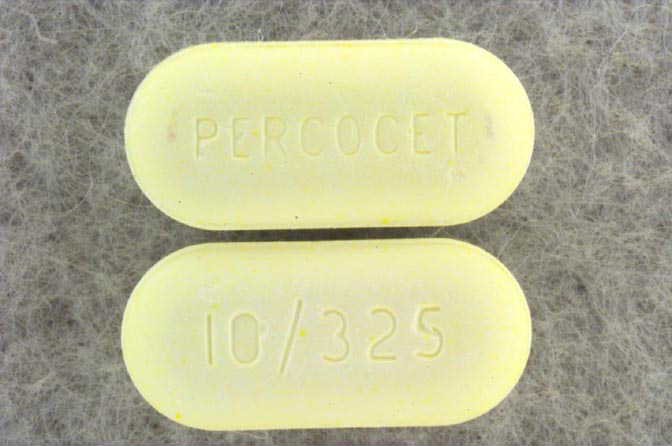
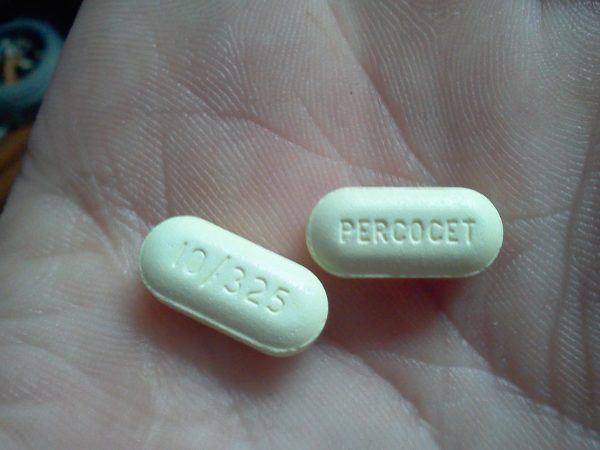
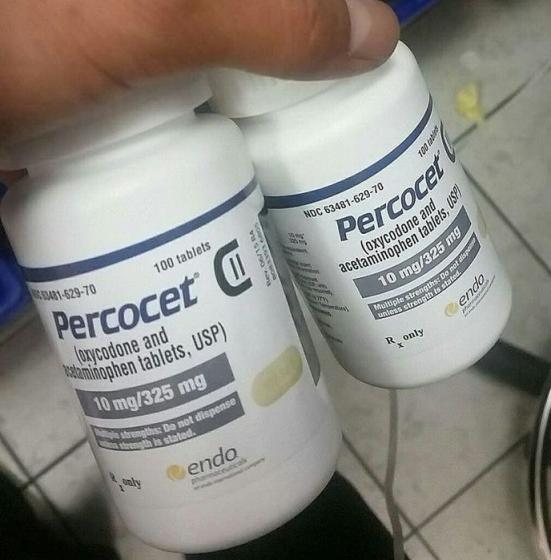
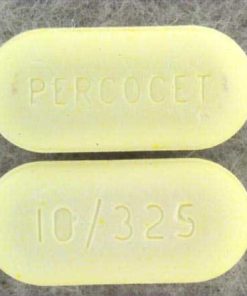
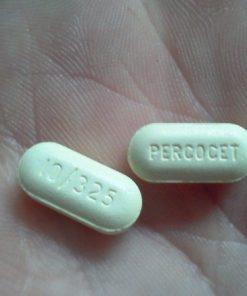
| 10 mg/325 mg | Yellow, capsule-shaped, debossed with “PERCOCET” on one side and “10/325” on the other | 63481-629-70 |
Note: Oxycodone hydrochloride equivalents: 2.5 mg = 2.2409 mg oxycodone; 5 mg = 4.4815 mg oxycodone; 7.5 mg = 6.7228 mg oxycodone; 10 mg = 8.9637 mg oxycodone .
Percocet Dosage Guidelines for Pain Management Percocet For Pain Management
General Dosing Principles
-
Use the lowest effective dosage for the shortest duration consistent with individual patient treatment goals
-
Many acute pain conditions (surgical procedures, acute musculoskeletal injuries) require no more than a few days of an opioid analgesic
-
Individualize dosing based on pain severity, prior treatment response, and risk factors for addiction
Initial Dosage for Opioid-Naïve Patients
| Strength | Usual Adult Dosage | Maximum Daily Dose |
|---|---|---|
| 2.5 mg/325 mg | 1 or 2 tablets every 6 hours as needed | 12 tablets |
| 5 mg/325 mg | 1 tablet every 6 hours as needed | 12 tablets |
| 7.5 mg/325 mg | 1 tablet every 6 hours as needed | 8 tablets |
| 10 mg/325 mg | 1 tablet every 6 hours as needed | 6 tablets |
Critical Safety Note: The total daily dose of acetaminophen should not exceed 4,000 mg (4 grams) from all sources. For the 10 mg/325 mg strength, this limits you to 6 tablets per day (providing 1,950 mg acetaminophen).
Administration Instructions
-
Take exactly as prescribed—do not change dose without consulting your healthcare provider
-
Take every 6 hours at the same time each day as needed for pain
-
If you miss a dose, take your next dose at your usual time—do not double up
-
For acute (short-term) pain, you may only need to take Percocet for a few days
Safe Discontinuation and Tapering
Do NOT abruptly discontinue Percocet in patients who may be physically dependent on opioids . Rapid discontinuation can result in:
-
Serious withdrawal symptoms
-
Uncontrolled pain
-
Suicide
-
Attempts to find other sources of opioid analgesics, including illicit opioids
Recommended Tapering Approach :
-
Initiate taper by no greater than 10% to 25% of total daily dose
-
Proceed with dose-lowering at intervals of every 2 to 4 weeks
-
Patients who have taken opioids for shorter periods may tolerate a more rapid taper
Withdrawal Symptoms to Monitor :
-
Restlessness, tearing eyes, runny nose, yawning
-
Sweating, chills, muscle aches, dilated pupils
-
Irritability, anxiety, backache, joint pain, weakness
-
Abdominal cramps, insomnia, nausea, vomiting, diarrhea
-
Increased blood pressure, respiratory rate, or heart rate
Pharmacokinetics: How the Body Processes Percocet
| Parameter | Oxycodone | Acetaminophen |
|---|---|---|
| Oral bioavailability | ~87% in cancer patients | Rapid and almost complete |
| Protein binding | 45% bound to human plasma proteins | Information missing |
| Volume of distribution | 211.9 ±186.6 L | Information missing |
| Onset of action | 15-30 minutes | 15-30 minutes |
| Duration | 3-6 hours | 4-6 hours |
Concentration-Effect Relationships
The minimum effective analgesic concentration varies widely among patients, especially those previously treated with opioid agonists. This concentration may increase over time due to :
-
Increase in pain
-
Development of a new pain syndrome
-
Development of analgesic tolerance
There is a relationship between increasing oxycodone plasma concentration and increasing frequency of dose-related adverse reactions such as nausea, vomiting, CNS effects, and respiratory depression.
Benefits of Percocet for Pain Management
When properly prescribed and monitored, Percocet can provide significant benefits :
| Benefit | Description |
|---|---|
| Dual mechanism | Contains both oxycodone (opioid) and acetaminophen (non-opioid analgesic) for multimodal pain relief |
| Effective analgesia | Provides relief for moderate to severe pain not controlled by non-opioid alternatives |
| Multiple strengths | Four different strengths allow for individualized dosing |
| Predictable dosing | Immediate-release formulation allows for flexible, as-needed dosing |
| Familiar medication | Well-studied with extensive clinical experience |
Side Effects of Percocet
Common Side Effects (>5% of patients)
| System | Side Effects |
|---|---|
| Gastrointestinal | Constipation, nausea, vomiting, abdominal pain |
| Nervous system | Drowsiness (somnolence), dizziness, headache, tiredness (asthenia) |
| Other | Pruritus (itching), lightheadedness |
Nausea and Constipation Management
Nausea :
-
Often improves within a few days as your body adjusts
-
Taking with food may help
-
Anti-sickness medication may be prescribed if persistent
Constipation :
-
Maintain good fluid intake
-
Stay active
-
Include fiber in your diet
-
Your doctor may recommend a laxative regimen
Serious Adverse Effects (Require Immediate Medical Attention)
| System | Serious Effects |
|---|---|
| Respiratory | Life-threatening respiratory depression (slow/shallow breathing), shortness of breath |
| Cardiovascular | Fast heartbeat, chest pain, hypotension (low blood pressure), orthostatic hypotension, fainting, syncope |
| Allergic | Anaphylaxis, swelling of the face, tongue, or throat, hives |
| Neurologic | Extreme drowsiness, confusion, agitation, hallucinations, high body temperature, stiff muscles, trouble walking, seizures |
| Dermatologic | Severe skin reactions (Stevens-Johnson syndrome, toxic epidermal necrolysis, AGEP) – rare but potentially fatal |
| Endocrine | Adrenal insufficiency (with long-term use), androgen deficiency |
| Other | Serotonin syndrome (when combined with serotonergic drugs), hypoglycemia, opioid-induced hyperalgesia (increased pain sensitivity) |
Get emergency medical help or call 911 right away if you experience any of these symptoms.
Critical Warnings and Safety Information
FDA BLACK BOX WARNINGS (Strongest Warning)
1. Addiction, Abuse, and Misuse
-
Percocet exposes users to risks of addiction, abuse, and misuse, which can lead to overdose and death
-
Assess patient’s risk before prescribing and reassess regularly
-
Even if you take your dose correctly as prescribed, you are at risk for opioid addiction, abuse, and misuse
2. Life-Threatening Respiratory Depression
-
Serious, life-threatening, or fatal respiratory depression may occur, especially during initiation or following a dosage increase
-
To reduce risk, proper dosing and titration are essential
-
Most at risk during first 24-72 hours of treatment
3. Accidental Ingestion
-
Accidental ingestion of even one dose of Percocet, especially by children, can result in fatal overdose
-
Store securely, out of sight and reach of children
4. Risks From Concomitant Use With Benzodiazepines or Other CNS Depressants
-
Concomitant use may result in profound sedation, respiratory depression, coma, and death
-
Reserve concomitant prescribing for patients with no alternative treatment options
5. Neonatal Opioid Withdrawal Syndrome (NOWS)
-
Prolonged use during pregnancy can result in life-threatening withdrawal in newborns
-
Ensure management by neonatology experts will be available at delivery
6. Opioid Analgesic Risk Evaluation and Mitigation Strategy (REMS)
-
Healthcare providers are strongly encouraged to complete a REMS-compliant education program
-
Counsel patients and caregivers on serious risks, safe use, and the importance of reading the Medication Guide with each prescription
7. Cytochrome P450 3A4 Interaction
-
Concomitant use with CYP3A4 inhibitors may increase oxycodone plasma concentrations, potentially causing fatal respiratory depression
-
Discontinuation of CYP3A4 inducers may also increase oxycodene concentration
8. Hepatotoxicity
-
Acetaminophen has been associated with cases of acute liver failure, at times resulting in liver transplant and death
-
Most cases involve doses exceeding 4,000 mg per day and often involve more than one acetaminophen-containing product
Contraindications
Do NOT take Percocet if you have:
| Category | Specific Conditions |
|---|---|
| Respiratory | Significant respiratory depression, acute or severe bronchial asthma in an unmonitored setting or absence of resuscitative equipment |
| Gastrointestinal | Known or suspected gastrointestinal obstruction, including paralytic ileus, narrowing of stomach or intestines |
| Allergic | Hypersensitivity to oxycodone, acetaminophen, or any component of the product (e.g., anaphylaxis) |
Acetaminophen Hepatotoxicity Warning
-
The maximum daily dose of acetaminophen from all sources should not exceed 4,000 mg (4 grams)
-
Many OTC and prescription medications contain acetaminophen—check labels carefully
-
Drinking alcohol increases your risk of liver damage; with alcohol use, even 2,000 mg (2 grams) may be harmful
-
Symptoms of liver damage: stomach pain, dark urine, yellowing of skin/eyes (jaundice), unusual tiredness
Opioid-Induced Hyperalgesia (OIH)
OIH occurs when opioid analgesics paradoxically cause an increase in pain or sensitivity to pain. Cases have been reported with opioid therapy of any duration. If OIH is suspected, carefully consider appropriately decreasing the dose or opioid rotation.
Serotonin Syndrome
Cases of serotonin syndrome, a potentially life-threatening condition, have been reported during concomitant use of opioids with serotonergic drugs (SSRIs, SNRIs, MAOIs, triptans). Symptoms include:
-
Agitation, hallucinations, coma
-
Fast heart rate, dizziness, flushing
-
Muscle tremor or rigidity, nausea, vomiting, diarrhea
Adrenal Insufficiency
Cases of adrenal insufficiency have been reported with opioid use, more often following greater than one month of use. Symptoms may include nausea, vomiting, loss of appetite, fatigue, weakness, dizziness, or low blood pressure.
Severe Skin Reactions
Rarely, acetaminophen may cause serious skin reactions including:
-
Stevens-Johnson syndrome (SJS)
-
Toxic epidermal necrolysis (TEN)
-
Acute generalized exanthematous pustulosis (AGEP)
Stop taking Percocet and call your doctor immediately if you develop a skin rash, blisters, or reddening of the skin.
Drug Interactions
| Interacting Drug Class | Risk | Intervention |
|---|---|---|
| Benzodiazepines (Xanax, Ativan, Valium) | Profound sedation, respiratory depression, coma, death | Avoid combination; if unavoidable, use lowest doses and monitor closely |
| Alcohol | Increased CNS depression, increased risk of liver damage from acetaminophen, respiratory depression, overdose | Avoid completely while taking Percocet |
| Other CNS Depressants (sleep medications, muscle relaxants, antihistamines) | Additive sedation, respiratory depression, impaired coordination | Avoid or use with extreme caution |
| CYP3A4 Inhibitors (ritonavir, erythromycin, ketoconazole) | Increased oxycodone levels → increased or prolonged opioid effects, respiratory depression risk | Monitor closely; may need dose adjustment |
| CYP3A4 Inducers (rifampin, carbamazepine, phenytoin) | Decreased oxycodone levels → reduced efficacy or withdrawal | Monitor; may need dose adjustment |
| Serotonergic Drugs (SSRIs, SNRIs, MAOIs, triptans) | Serotonin syndrome risk | Monitor for symptoms; discontinue Percocet if suspected |
| MAOIs | May potentiate opioid effects | Avoid concomitant use or within 14 days of stopping MAOI |
| Other Acetaminophen-Containing Products | Acetaminophen toxicity, liver damage | Check all OTC and prescription medications for acetaminophen; total daily dose not to exceed 4,000 mg |
| Warfarin (Coumadin) | Increased bleeding risk | Monitor for signs of bleeding; more frequent INR tests may be needed |
| Naltrexone (Vivitrol) | May precipitate opioid withdrawal or block analgesic effects | Avoid concomitant use |
| Anticholinergic Medications | Increased risk of constipation and urinary retention | Monitor for worsening symptoms |
Food and Beverage Interactions
| Substance | Interaction |
|---|---|
| Alcohol | Compounds CNS depression and increases liver damage risk—avoid completely |
| Grapefruit juice | Slows oxycodone metabolism, increasing plasma concentration, side effects, and overdose risk—avoid |
Opioid Overdose Prevention and Naloxone
Naloxone Access
Discuss naloxone (opioid overdose reversal agent) with patients and caregivers when initiating and renewing Percocet treatment.
Consider prescribing naloxone based on risk factors :
-
History of opioid use disorder
-
Prior opioid overdose
-
Concomitant use of CNS depressants (benzodiazepines, sleep medications)
-
Household members (including children) at risk for accidental ingestion
Naloxone (Narcan®) is now available over-the-counter (OTC) without a prescription.
Patient Education on Naloxone
-
How to treat with naloxone in the event of an opioid overdose
-
Tell family and friends about naloxone and keep it accessible in emergencies
-
Read the Patient Information before an opioid emergency happens
Overdose Symptoms
-
Slow heartbeat or breathing
-
Extreme drowsiness or dizziness
-
Trouble breathing
-
Cold, clammy skin
-
Blue lips and fingernails
-
Snoring or gurgling noises
-
Unconsciousness or inability to wake up
If overdose is suspected: Call 911 immediately.
Safe Use and Storage Guidelines
Safe Use
-
Take exactly as prescribed—do not change dose without consulting your healthcare provider
-
Use the lowest dose possible for the shortest time needed
-
Do not drink alcohol—increases risk of liver damage and fatal respiratory depression
-
Do not drive or operate heavy machinery until you know how Percocet affects you
-
Do not share your medication with anyone—it’s dangerous and against the law
-
Never give anyone else your Percocet—they could die from taking it
-
Selling or giving away Percocet is against the law
Proper Storage
-
Store securely, out of sight and reach of children
-
Keep in a location not accessible by others, including visitors
-
Store at room temperature away from moisture and heat
Disposal of Unused Medication
-
If a drug take-back option is not readily available, promptly dispose of expired, unwanted, or unused Percocet by flushing it down the toilet
-
Visit www.fda.gov/drugdisposal for additional information
Special Populations
Pregnancy Considerations
-
Opioids cross the placental barrier
-
Prolonged use may result in neonatal opioid withdrawal syndrome (NOWS) , which can be life-threatening if not recognized and treated
-
Ensure management by neonatology experts will be available at delivery
-
Discuss risks with pregnant women or consider alternatives
Breastfeeding Considerations
-
Percocet passes into breast milk and may harm your baby
-
Carefully observe infants for increased sleepiness (more than usual), breathing difficulties, or limpness
-
Seek immediate medical care if you notice these signs
Geriatric Use
-
Dose adjustment not usually necessary, but monitor for increased sensitivity to side effects
-
May be more susceptible to dizziness, drowsiness, and constipation
-
Increased risk of falls due to orthostatic hypotension
Pediatric Use
-
Dosages for children can vary—ask your doctor about the appropriate dosage for your child
-
Not typically prescribed for children without careful consideration
Patients with Hepatic Impairment
-
Use with caution; acetaminophen can cause liver damage
-
May require lower doses or longer dosing intervals
-
Monitor liver function closely
Patients with Renal Impairment
-
May require dose adjustment
-
Monitor for signs of opioid toxicity
Patients with History of Substance Use Disorder
-
Assess risk factors before prescribing
-
Monitor regularly for signs of abuse, addiction, or misuse
-
Consider alternative pain management strategies
Percocet vs. Other Pain Medications
Percocet vs. Oxycodone (Immediate-Release)
| Feature | Percocet | Oxycodone IR |
|---|---|---|
| Ingredients | Oxycodone + Acetaminophen | Oxycodone only |
| Acetaminophen risk | Yes | No |
| Typical dosing | Every 6 hours | Every 4-6 hours |
| Forms available | Tablet, liquid solution | Tablet, capsule, liquid solution |
Key difference: Percocet contains acetaminophen, which provides additional pain relief but carries liver toxicity risks.
Percocet vs. Norco (Hydrocodone/Acetaminophen)
| Feature | Percocet | Norco |
|---|---|---|
| Opioid component | Oxycodone | Hydrocodone |
| Acetaminophen | Yes (325 mg per tablet) | Yes (various strengths) |
| Side effect profile | May cause more nausea/dizziness | May cause more constipation |
| Schedule | CII (since always) | CII (since 2014; previously CIII) |
Percocet vs. Extended-Release Opioids Percocet For Pain Management
| Feature | Percocet (IR) | Extended-Release Opioids |
|---|---|---|
| Duration | 3-6 hours | 8-12 hours or longer |
| Dosing frequency | Every 6 hours as needed | Once or twice daily scheduled |
| Use case | Acute pain, breakthrough pain | Around-the-clock chronic pain |
Opioid REMS (Risk Evaluation and Mitigation Strategy)
To ensure benefits outweigh risks, the FDA has required a REMS for opioid analgesics.
Healthcare providers are strongly encouraged to :
-
Complete a REMS-compliant education program
-
Counsel patients and/or caregivers with every prescription on safe use, serious risks, storage, and disposal
-
Emphasize the importance of reading the Medication Guide they receive from their pharmacist every time an opioid analgesic is dispensed
-
Consider using patient-prescriber agreements that reinforce responsibilities
Patient Counseling Guide available at: www.fda.gov/OpioidAnalgesicREMSPCG
FAQs About Percocet for Pain Management
How long does Percocet take to work?
Percocet typically starts working within 15-30 minutes after taking it.
How long does Percocet last?
Immediate-release Percocet provides pain relief for 3-6 hours.
Is Percocet addictive?
Yes, Percocet contains oxycodone, which has a high potential for addiction, abuse, and misuse. It is classified as a Schedule II controlled substance. Even when taken correctly as prescribed, patients are at risk for opioid addiction.
Can I drink alcohol while taking Percocet?
No. Alcohol combined with Percocet increases the risk of severe drowsiness, respiratory depression, coma, and death. Alcohol also increases the risk of liver damage from the acetaminophen component.
What is the maximum daily dose of Percocet?
The maximum daily dose depends on the strength :
-
2.5 mg/325 mg: 12 tablets
-
5 mg/325 mg: 12 tablets
-
7.5 mg/325 mg: 8 tablets
-
10 mg/325 mg: 6 tablets
Critical: The total daily acetaminophen dose should not exceed 4,000 mg from all sources.
Can I take other medications with acetaminophen while on Percocet?
Be very careful. Many OTC and prescription medications contain acetaminophen. Taking multiple acetaminophen-containing products can lead to liver damage. Always check labels and ask your pharmacist.
Can I drive while taking Percocet?
Percocet can make you sleepy, dizzy, or lightheaded. Do not drive or operate machinery until you know how Percocet affects you.
What should I do if I miss a dose?
For as-needed dosing, take your next dose at your usual time. Do not double up on doses.
Can I stop taking Percocet suddenly?
Do not abruptly discontinue Percocet if you have been taking it regularly. Your body may be physically dependent, and sudden stopping can cause withdrawal symptoms. Work with your healthcare provider on a tapering schedule.
What are the signs of an opioid overdose?
Signs include slow/shallow breathing, extreme drowsiness, inability to wake up, snoring or gurgling noises, and blue lips or fingernails. Call 911 immediately and administer naloxone if available.
Can I take Percocet if I’m pregnant?
Prolonged use during pregnancy can cause neonatal opioid withdrawal syndrome (NOWS) in your newborn, which can be life-threatening. Discuss risks with your healthcare provider.
Is it safe to take Percocet with other pain relievers?
Do not take other medications without checking with your healthcare provider. Combining with other opioids, muscle relaxants, or sleep aids can be dangerous.
How should I store Percocet?
Store securely, out of sight and reach of children, and in a location not accessible by others, including visitors.
How do I dispose of unused Percocet?
If a drug take-back option is not readily available, promptly dispose of unused Percocet by flushing it down the toilet.
| Percocet Tablets | 50 Tablets., 100 Tablets., 200 Tablets. |
|---|
5 reviews for Percocet For Pain Management
Add a review
Related products
CODEINE COUGH SYRUP
CODEINE COUGH SYRUP
PAIN RELIEF MEDICATION
OPIOIDS
OPIOIDS
OPIOIDS
ADHD MEDICATIONS
PAIN RELIEF MEDICATION
Jared Younger MD –
Awesome customer service
Easy to order, really responsive customer service. Highly recommend!
Jared Younger MD –
helpful customer service
Friendly, helpful customer service by telephone and per chat at the website, i was able to send a picture file of the prescription with ease once they explained how
Jared Younger MD –
friendly helpful customer service per telephone and per chat at the website, i was able to send a picture file of the prescription with ease once they explained how
Gary Wendt –
I have been doing business with Global Wellness Pharmacy for over ten years and have always had excellent service and excellent responses
Paige Lampman –
Live chat was extremely helpful and efficient, trystan was awesome.