
PAIN KILLERS AND ANTI-DEPRESSANT MEDICATIONS
Side Effects vs. Allergic Reactions: Knowing the Difference Could Save Your Life
Mar
Why This Matters
side effects vs allergic reactions. Every year, thousands of people experience medication reactions. While most are manageable side effects, a small percentage are true allergic reactions that can be life-threatening. Knowing how to tell them apart can mean the difference between waiting it out at home and rushing to the emergency room.
What Are Side Effects?
Side effects are predictable, dose-dependent, and non-immune-related responses to a medication. They occur because the drug affects the body in ways beyond its intended therapeutic purpose.
Common Characteristics of Side Effects:
| Feature | Description |
|---|---|
| Predictability | Often listed in the medication’s prescribing information |
| Dose-Dependence | Usually worse with higher doses |
| Onset | Can occur with the first dose or after taking the medication for some time |
| Mechanism | Related to the pharmacology of the drug, not an immune response |
| Reversibility | Typically resolves when the medication is stopped, or the dose is reduced |
Common Examples of Side Effects:
| Medication Class | Common Side Effects |
|---|---|
| Opioids (Codeine, Morphine) | Drowsiness, constipation, nausea |
| Antibiotics | Nausea, diarrhea, mild stomach upset |
| Blood Pressure Medications | Dizziness, headache, fatigue |
| Antihistamines (Promethazine) | Drowsiness, dry mouth, blurred vision |
| NSAIDs (Ibuprofen) | Stomach irritation, heartburn |
What to Do for Side Effects:
- Mild side effects: Often manageable with food, hydration, or adjusting timing of doses
- Moderate side effects: Contact your pharmacist or prescribing doctor for guidance
- Severe side effects: Seek medical attention if side effects are intolerable or impacting your quality of life
What Are Allergic Reactions?
Allergic reactions are unpredictable, dose-independent, and immune-mediated responses. Your immune system mistakenly identifies the medication as a harmful substance and mounts a defense against it.
Common Characteristics of Allergic Reactions:
| Feature | Description |
|---|---|
| Unpredictability | Cannot be predicted; can occur even with a tiny dose |
| Dose-Independence | It can happen with the very first dose, regardless of the amount |
| Onset | Usually occurs within minutes to hours after taking the medication |
| Mechanism | Involves the immune system (IgE antibodies, T-cells, etc.) |
| Reversibility | May persist even after stopping the medication; may require treatment with antihistamines, steroids, or epinephrine |
Common Signs of Allergic Reactions:
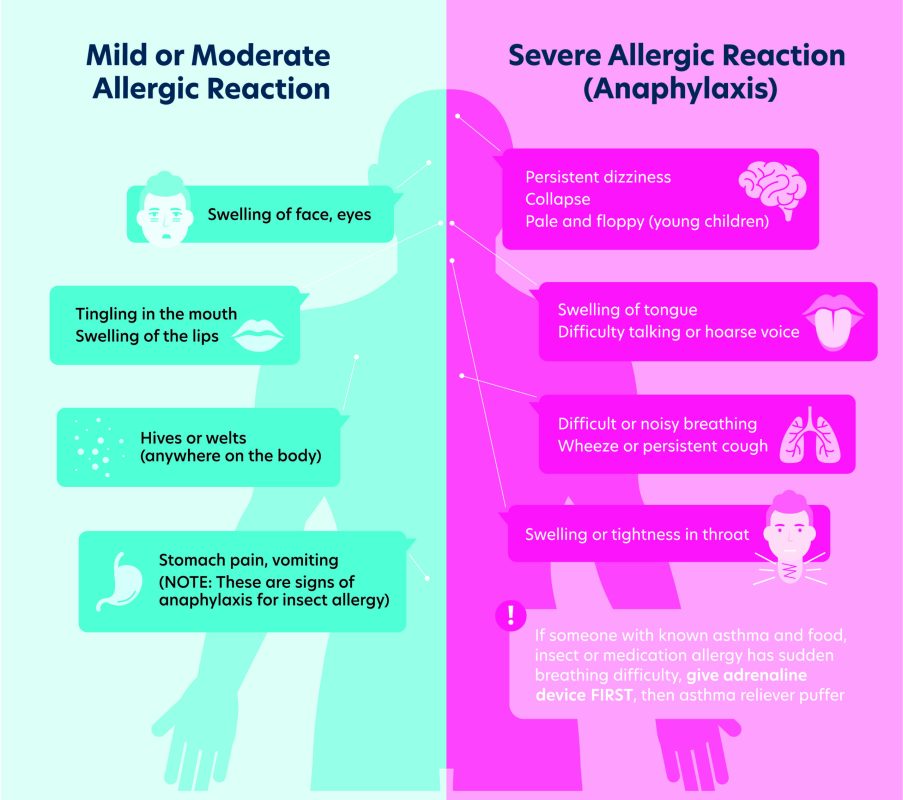
Mild to Moderate Allergic Reactions:
- Hives (Urticaria): Raised, red, itchy welts on the skin
- Itching (Pruritus): Generalized or localized itching without rash
- Rash (Maculopapular): Red, bumpy rash that may spread
- Swelling (Angioedema): Swelling of the lips, tongue, face, or eyelids side effects vs allergic reactions
- Nasal Congestion or Sneezing
Severe Allergic Reaction (Anaphylaxis) — MEDICAL EMERGENCY:
- Difficulty breathing or wheezing
- Swelling of the throat or tongue (feeling of throat closing)
- Hoarseness or trouble speaking
- Rapid or weak pulse
- Severe drop in blood pressure (dizziness, fainting)
- Confusion or loss of consciousness
- Nausea, vomiting, or diarrhea (when occurring with other symptoms)
Key Differences at a Glance
| Comparison | Side Effect | Allergic Reaction |
|---|---|---|
| Cause | Drug’s pharmacological action | Immune system response |
| Predictability | Often expected and documented | Unpredictable |
| Dose Relationship | Usually dose-dependent | Can occur with any dose |
| Onset | May be immediate or delayed | Often rapid (minutes to hours) |
| Skin Symptoms | Rarely itchy; often mild | Often itchy hives or rash |
| Breathing Issues | Uncommon (except with respiratory depressants) | Common in severe reactions |
| Risk of Fatality | Low (except with overdose) | High with anaphylaxis |
| Treatment | Dose adjustment, supportive care | Antihistamines, epinephrine, emergency care |
Specific Examples with Promethazine with Codeine
Using the Tris Promethazine Cough Syrup example from earlier:
| Reaction Type | Symptoms | Action |
|---|---|---|
| Common Side Effects | Drowsiness, dizziness, dry mouth, mild nausea, constipation | These are expected. Stay hydrated, avoid driving, and monitor. Contact your doctor if severe. |
| Allergic Reaction | Hives, rash, itching, facial swelling, difficulty breathing | Seek immediate medical attention. Stop the medication and call 911 or go to the ER. |
Important: Severe drowsiness, slowed breathing, or difficulty waking up are not allergic reactions—they are signs of opioid overdose, which is also a medical emergency requiring immediate intervention (Naloxone/Narcan).
When to Seek Emergency Care Immediately
Call 911 or go to the nearest emergency room if you or someone else experiences:
- Difficulty breathing, wheezing, or throat tightness
- Swelling of the lips, tongue, or face
- Hoarseness or trouble swallowing
- Fainting, severe dizziness, or loss of consciousness
- Rapid or weak pulse
- Severe confusion or agitation
- Hives or rash accompanied by any of the above
What to Do If You Suspect an Allergic Reaction
For Mild Symptoms (rash, itching, mild swelling):
- Stop taking the medication (unless instructed otherwise by a healthcare provider)
- Take an over-the-counter antihistamine (like diphenhydramine/Benadryl) if appropriate
- Contact your pharmacist or doctor immediately for guidance
- Document the reaction (photos of rash, timing, symptoms) for your medical record side effects vs allergic reactions
For Moderate to Severe Symptoms:
- Stop the medication immediately
- Administer epinephrine (if you have an EpiPen prescribed)
- Call 911 — do not drive yourself to the hospital
- Lie down with legs elevated if feeling faint
- Do not take oral antihistamines if having trouble swallowing or breathing
How to Prevent Serious Reactions
1. Know Your Allergies
- Maintain an updated list of all drug allergies
- Wear a medical alert bracelet if you have severe allergies
- Inform every healthcare provider (doctor, dentist, pharmacist) about your allergies
2. Ask Questions Before Taking New Medications
- “What are the common side effects?”
- “What signs of an allergic reaction should I watch for?”
- “How quickly would a reaction occur?”
3. Start New Medications Safely
- If you have a history of severe allergies, consider taking the first dose in a supervised setting
- Have diphenhydramine (Benadryl) available for mild reactions
- If prescribed an EpiPen, carry it at all times and ensure family members know how to use it
4. Keep a Medication Record
Create a personal medication card that includes:
- All current medications
- Known drug allergies and the specific reaction
- Emergency contact information
Common Misconceptions
| Misconception | Reality |
|---|---|
| “If I didn’t react the first time, I’m not allergic.” | Allergic reactions can occur after multiple exposures. Sensitization often happens with prior doses. |
| “Stomach upset means I’m allergic.” | Nausea and diarrhea are common side effects, not allergic reactions—unless accompanied by rash, swelling, or breathing issues. |
| “A rash is always an allergy.” | Many medications cause non-allergic rashes. Your doctor can help determine the difference. |
| “I can just take Benadryl and continue the medication.” | Never continue a medication that caused an allergic reaction without consulting your doctor. Reactions can worsen with subsequent doses. |
Final Thoughts
Side effects are often uncomfortable but manageable.
Allergic reactions can be deadly but are preventable with awareness and prompt action.
Your pharmacist is an excellent resource for understanding what to expect from your medications and what signs should prompt concern. When in doubt, always err on the side of caution—a call to your pharmacist or doctor could save your life.
