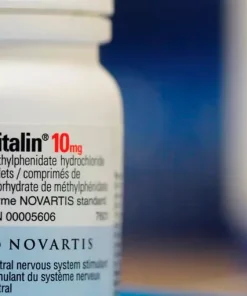
Buy Ritalin Online


Price range: $133.00 through $2,450.00
What is Ritalin?
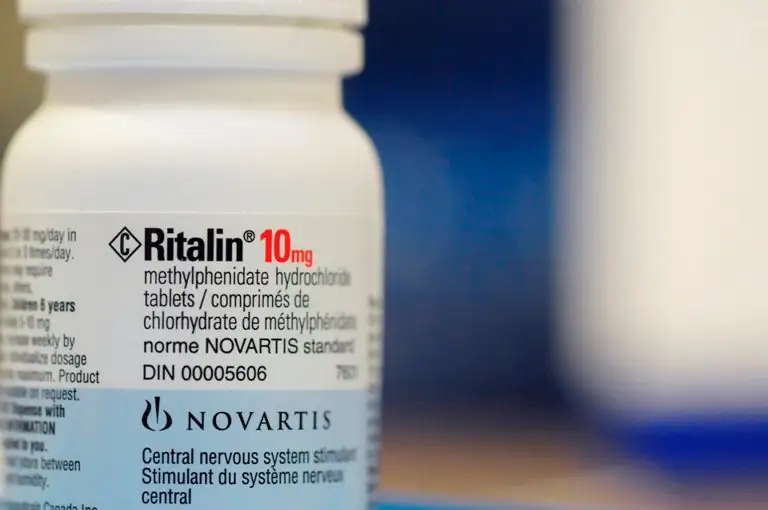
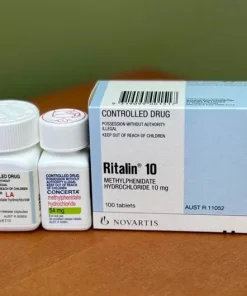
Ritalin (methylphenidate) is a central nervous system (CNS) stimulant medication primarily used to treat Attention Deficit Hyperactivity Disorder (ADHD) and narcolepsy. It’s one of the most commonly prescribed ADHD medications worldwide.
How does Ritalin work?
What is Ritalin?
How does Ritalin work? Ritalin (methylphenidate) is a central nervous system (CNS) stimulant medication primarily used to treat Attention Deficit Hyperactivity Disorder (ADHD) and narcolepsy. It’s one of the most commonly prescribed ADHD medications worldwide.
✅ FDA-Approved For:
-
Children (age 6+) with ADHD
-
Adults with ADHD
-
Narcolepsy
How Does Ritalin Work for ADHD?
Ritalin works by increasing levels of dopamine and norepinephrine in the brain—neurotransmitters responsible for:
-
Focus & attention
-
Impulse control
-
Executive function (organization, task completion)
📊 Clinical Effectiveness:
-
70-80% of children with ADHD respond positively to stimulants like Ritalin
-
Symptoms improve within 30-60 minutes of taking medication
Ritalin Formulations & Dosage
| Formulation | Duration | Dosing Frequency | Best For |
|---|---|---|---|
| Ritalin (IR) | 3-4 hours | 2-3 times daily | Flexible scheduling, quick response |
| Ritalin SR | 5-8 hours | Once daily | Mid-length coverage |
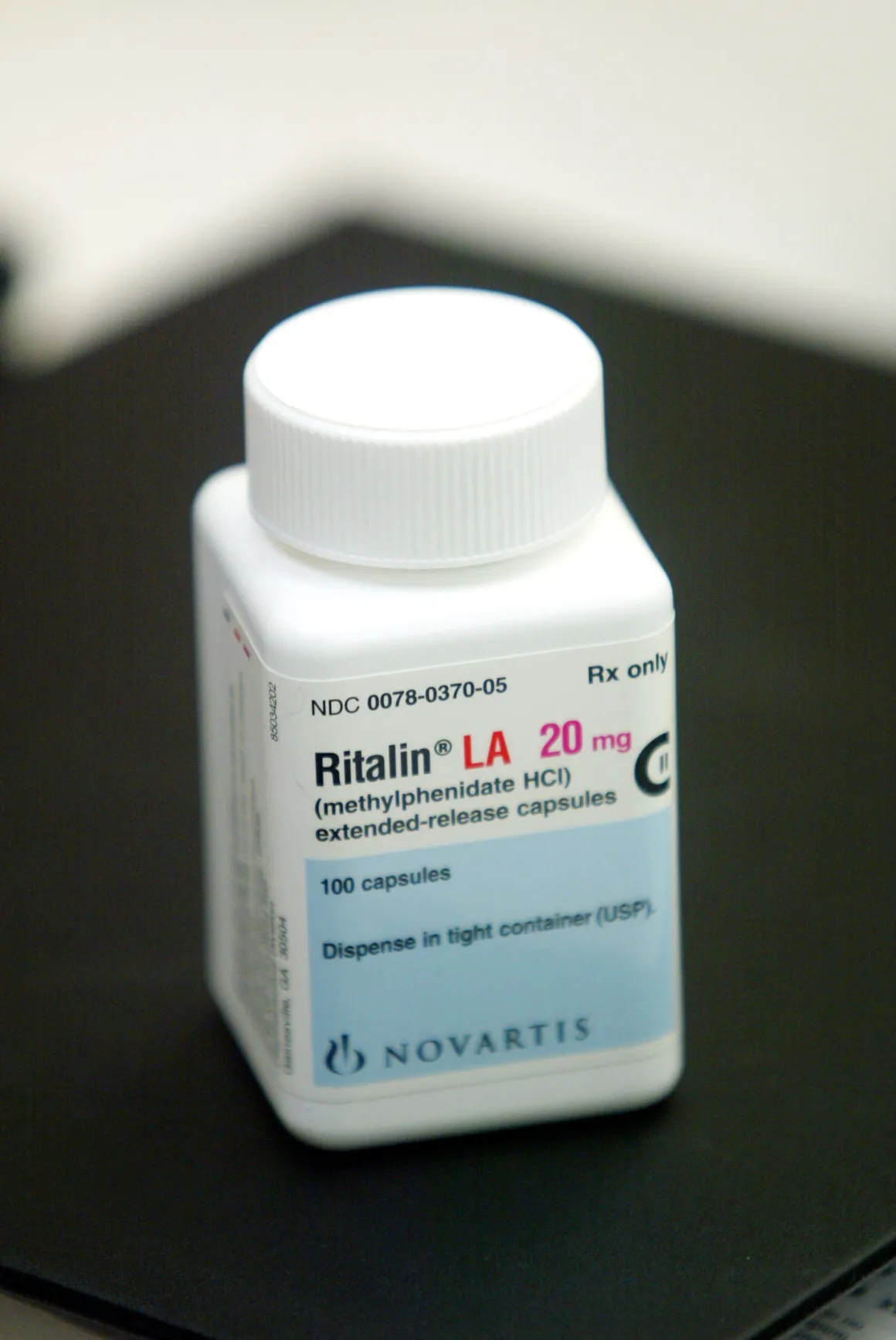
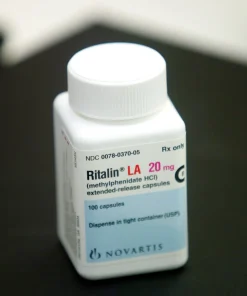
| Ritalin LA | 8-10 hours | Once daily | All-day school/work coverage |
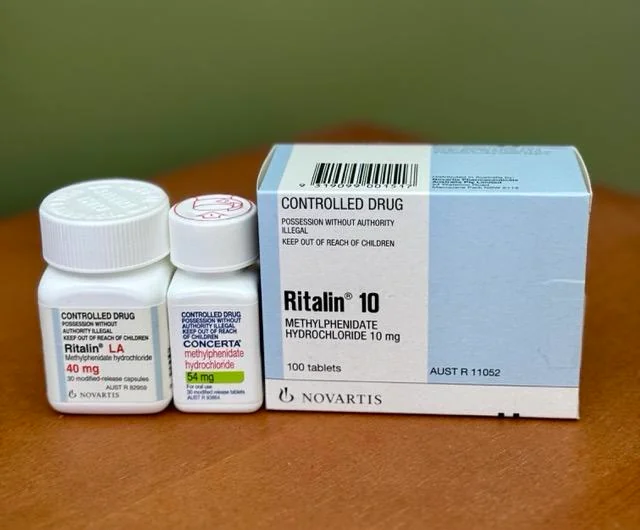
| Concerta | 10-12 hours | Once daily | Extended-release alternative |
Typical Starting Dosage (Children 6+):
-
Immediate-release: 5 mg twice daily (before breakfast and lunch)
-
Extended-release: 10-20 mg once daily in the morning
💡 Note: Dosing is highly individualized and must be carefully titrated by a healthcare provider.
Benefits of Ritalin for ADHD
-
Improved focus and concentration
-
Reduced impulsivity and hyperactivity
-
Better task completion (school/work performance)
-
Enhanced listening skills and following directions
-
Improved social interactions
Ritalin Side Effects
Common Side Effects
-
Decreased appetite
-
Insomnia (trouble sleeping)
-
Headache
-
Stomach ache
-
Dry mouth
-
Nervousness/irritability
Serious Side Effects (Rare)
-
Heart-related problems (increased BP, heart rate)
-
Psychiatric symptoms (hallucinations, aggression)
-
Priapism (painful erections lasting >4 hours)
-
Growth suppression (in children with long-term use)
-
Peripheral vasculopathy (circulation issues in fingers/toes)
💡 Pro Tip: Many side effects improve after the first few weeks. Taking medication with food can reduce stomach issues.
How Long Does Ritalin Take to Work?
-
Immediate-release: 20-30 minutes
-
Extended-release: 45-60 minutes
-
Peak effect: 1-3 hours after taking
Ritalin vs. Other ADHD Medications
| Medication | Active Ingredient | Duration | Key Differences |
|---|---|---|---|
| Ritalin | Methylphenidate | 3-12 hrs (varies) | Stimulant, multiple formulations |
| Adderall | Amphetamine salts | 4-12 hrs | Stronger potency for some |
| Concerta | Methylphenidate (ER) | 10-12 hrs | Once-daily dosing |
| Vyvanse | Lisdexamfetamine | 10-14 hrs | Prodrug, abuse-deterrent |
| Strattera | Atomoxetine | 24 hrs | Non-stimulant, takes weeks to work |
Ritalin for Children with ADHD
-
FDA-approved for children 6+
-
Regular monitoring of height, weight, and heart health required
-
“Drug holidays” (weekends/summer breaks) may be recommended to assess ongoing need
Ritalin for Adults with ADHD
-
Increasingly prescribed for adult ADHD
-
May improve:
-
Work performance
-
Time management
-
Emotional regulation
-
Relationship stability
-
Important Safety Precautions
Contraindications:
-
Glaucoma
-
Severe anxiety/agitation
-
Heart defects or severe hypertension
-
Tourette’s syndrome (may worsen tics)
-
MAOI use within 14 days
Pregnancy & Breastfeeding:
-
Category C—discuss risks vs. benefits with your doctor
Is Ritalin a Controlled Substance?
✅ Yes. Ritalin is a Schedule II controlled substance due to its potential for abuse and dependence.
DEA Classification:
-
High potential for abuse
-
May lead to severe psychological or physical dependence
-
Prescriptions cannot be refilled—new prescription required each time
Ritalin Cost & Insurance
-
Brand-name Ritalin: $100-$200/month (without insurance)
-
Generic methylphenidate: $20-$50/month (much more affordable)
-
Most insurance plans cover generic methylphenidate
Real User Experiences
Parent Review:
“Ritalin changed my son’s life. Before medication, he couldn’t sit still for 5 minutes. Now he can focus on homework and actually enjoy learning. The appetite suppression was concerning at first, but we adjusted meal times and it’s much better.” – Jennifer, mom of 8-year-old
Adult Review:
“Starting Ritalin at 32 was like putting on glasses for the first time. I didn’t realize how hard my brain was working just to focus. I can finally complete tasks without getting distracted every 2 minutes.” – Marcus, 32
Critical Review:
“The crash when it wears off is rough. I get irritable and tired by late afternoon. Extended-release helped, but we’re still adjusting the dosage.” – Alicia, 28
Frequently Asked Questions
1. Does Ritalin cure ADHD?
No—it manages symptoms but doesn’t cure ADHD. It’s most effective when combined with behavioral therapy and lifestyle modifications.
2. Can Ritalin be taken long-term?
Yes, with regular monitoring by a healthcare provider. Long-term effects should be tracked (growth, heart health, mental health).
3. Does Ritalin suppress appetite?
Yes—this is one of the most common side effects. Strategies include:
-
Taking medication after meals
-
Nutrient-dense snacks
-
“Eating before the medication kicks in”
4. Can you drink caffeine with Ritalin?
Use caution. Both are stimulants and can increase side effects like:
-
Jitteriness
-
Rapid heart rate
-
Anxiety
5. What’s the difference between Ritalin and Concerta?
Both contain methylphenidate, but:
-
Ritalin = immediate + extended options
-
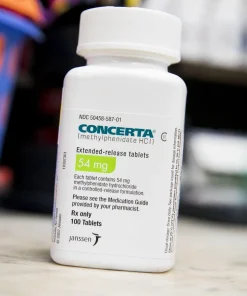
Concerta = unique extended-release technology (lasts 10-12 hours)
Is Ritalin Right for You or Your Child?
Consider Ritalin if:
-
ADHD symptoms interfere with daily functioning
-
You’ve tried non-medication approaches with limited success
-
A healthcare provider recommends it after thorough evaluation
Talk to your doctor if:
-
You have heart problems or family history of sudden cardiac death
-
You’re pregnant or planning to become pregnant
-
You have a history of substance abuse
Finding the Right ADHD Treatment
ADHD treatment is not one-size-fits-all. What works for one person may not work for another. Work closely with your healthcare provider to:
-
Get an accurate diagnosis
-
Discuss all treatment options (medication + therapy + lifestyle)
-
Start with low doses and adjust gradually
-
Monitor effects and side effects closely
| Ritalin Tablets. | 50 Tablets., 100 Tablets., 250 Tablets., 500 Tablets. |
|---|---|
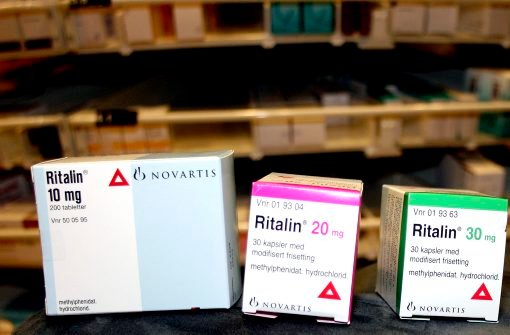
| Ritalin Dosage | 10 mg., 20 mg., 30 mg., 40 mg. |
5 reviews for Buy Ritalin Online
Add a review
Related products
ADHD MEDICATIONS
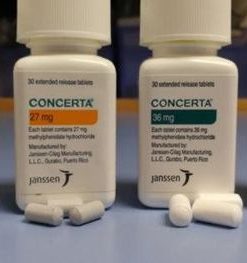
ADHD MEDICATIONS
ADHD MEDICATIONS
ADHD MEDICATIONS
ADHD MEDICATIONS
ADHD MEDICATIONS
ADHD MEDICATIONS
ADHD MEDICATIONS
Sandy McCune Westin –
Quick delivery
Prompt, courteous reply and a surprisingly good answer to my question.
S Doc Pete –
Great customer service helped me obtain my customer ID as well as my account so I could reset my password.
ᗰᗩᑌᖇEEᑎ ᗰᑕKᗩY –
Amazing customer service. So very helpful!!!
Hillary ᗰᑕKᗩY –
The online chat was very easy and helpful.
George Kalven –
Using the chat and was a good experience …
I used the chat and was pleasantly surprised on how quick, efficient, and friendly it was. In a very short time I received an answer to my question