
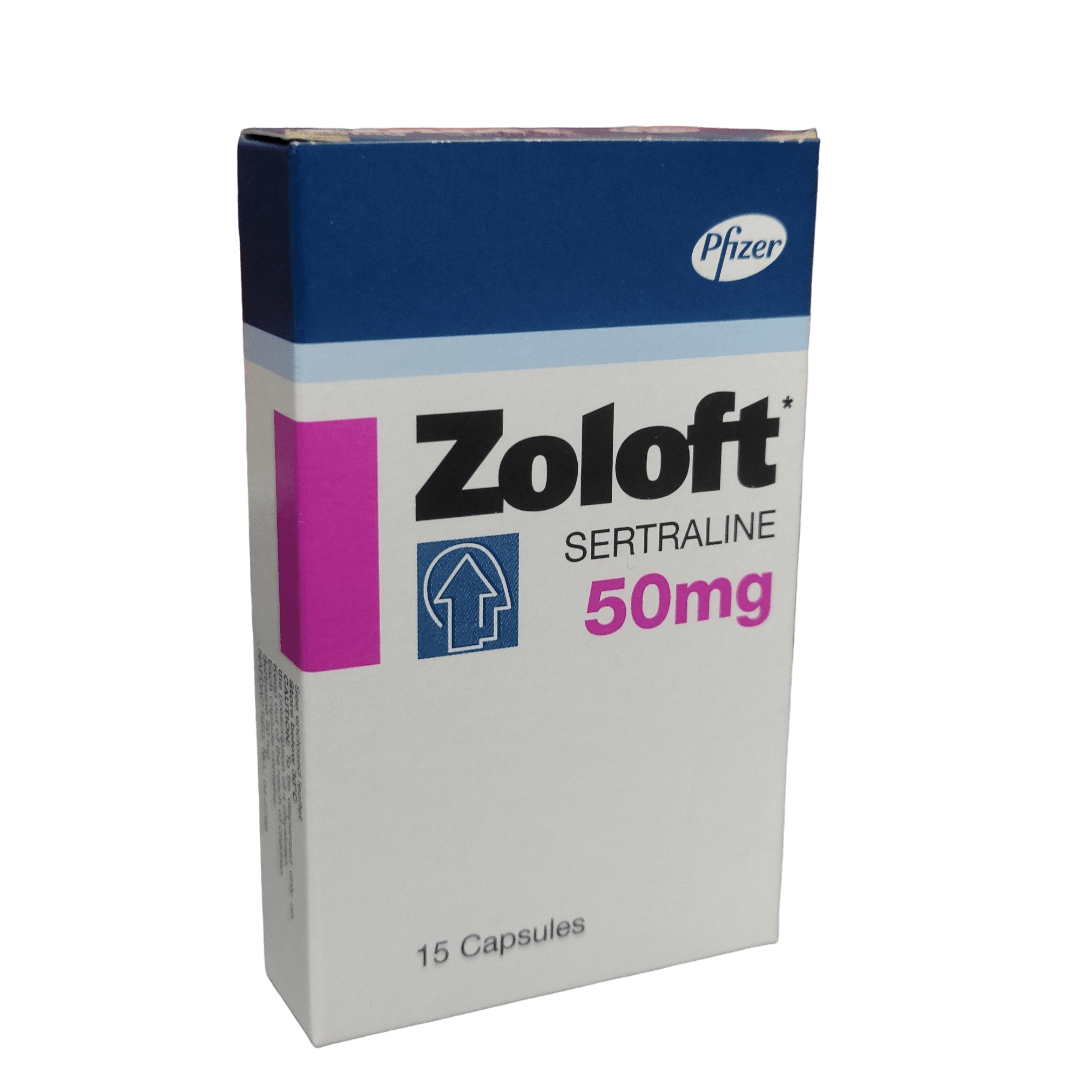
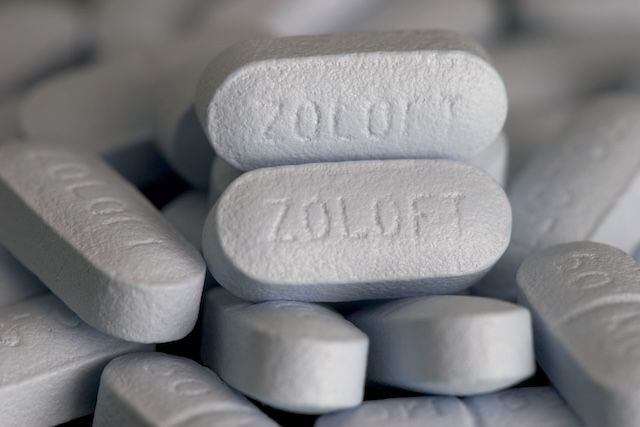
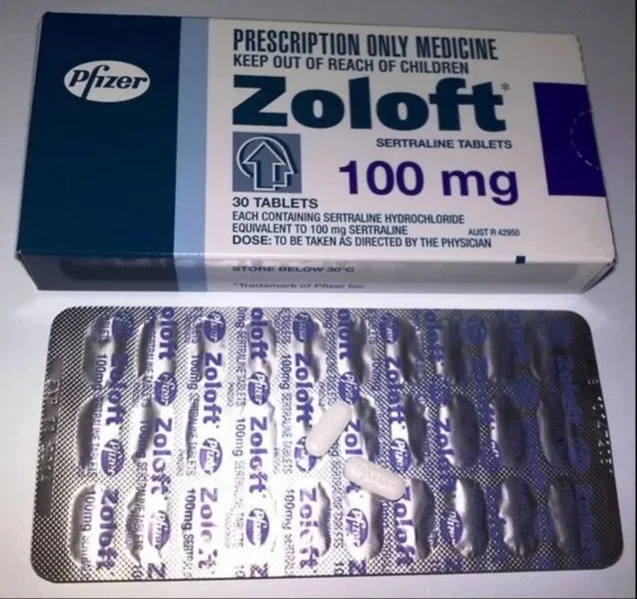
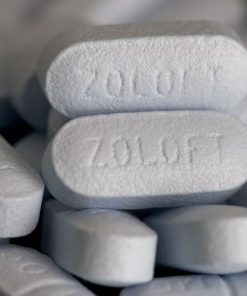
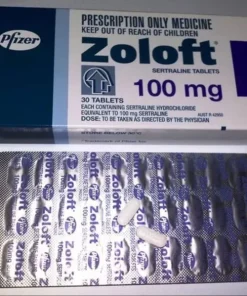
Sertraline for PTSD Treatment ( Zoloft)

Price range: $320.00 through $1,600.00
Understanding The Role of Sertraline for PTSD Treatment
Sertraline is a selective serotonin reuptake inhibitor (SSRI) and one of only two medications (along with paroxetine) that are FDA-approved specifically for treating PTSD. It works by increasing serotonin levels in the brain, which helps regulate mood, anxiety, and fear responses.
Understanding The Role of Sertraline for PTSD Treatment
Sertraline for PTSD Treatment. Sertraline is a selective serotonin reuptake inhibitor (SSRI) and one of only two medications (along with paroxetine) that are FDA-approved specifically for treating PTSD. It works by increasing serotonin levels in the brain, which helps regulate mood, anxiety, and fear responses.
Recent research has provided new insights into how sertraline works at a neurological level. A 2026 study found that sertraline appears to:
-
Alleviate neuronal and synaptic damage in the hippocampus (a brain region often affected in PTSD)
-
Restore synaptic function
-
Reduce excessive myelin sheath proliferation
-
Improve anxiety, despair, and learning/memory in PTSD models
These findings help explain why sertraline can be effective for many people with PTSD, though it’s important to understand that individual responses vary.
Current Treatment Guidelines and Recommendations
The role of sertraline in PTSD treatment has been clarified by recent guideline updates:
| Treatment Aspect | Current Recommendation | Key Details |
|---|---|---|
| First-Line Treatment | Trauma-focused psychotherapies (PE, CPT, EMDR) | Recommended before medication by VA/DoD and APA guidelines |
| Medication Role | Second-line or adjunctive treatment | Used when therapy alone is insufficient or unavailable |
| FDA-Status | Approved for PTSD | Approved in 1999; one of only two FDA-approved PTSD medications |
| Algorithm Position | First SSRI option after addressing sleep issues | Prazosin recommended first for trauma-related nightmares |
The 2024-2025 PTSD Psychopharmacology Algorithm recommends a stepwise approach: first address sleep impairment (often with prazosin), then if significant daytime symptoms remain, consider an SSRI like sertraline or paroxetine.
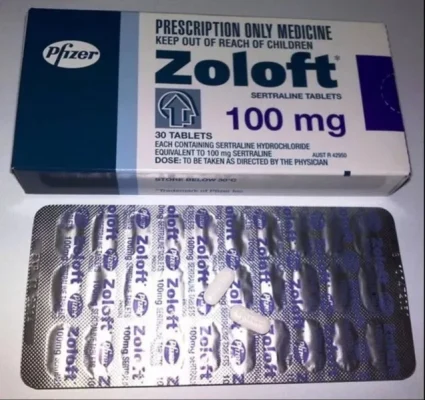
Dosing and Administration
For PTSD treatment, sertraline is typically dosed as follows:
-
Starting dose: 25 mg once daily
-
Therapeutic range: 50-200 mg once daily
-
Time to effectiveness: 4-6 weeks for full therapeutic benefits
-
Duration: Long-term treatment is often necessary; do not stop abruptly due to discontinuation syndrome risk
Comparative Effectiveness
When comparing sertraline to other medications for PTSD:
| Medication | Symptom Reduction | Key Considerations |
|---|---|---|
| Sertraline | ~20% reduction in PTSD symptoms | Well-tolerated; caution with heart rhythm issues (QT prolongation risk) |
| Paroxetine | 44-56% reduction | Most effective SSRI, but with more side effects, and poorest tolerability upon discontinuation |
| Fluoxetine | ~28% reduction | Minimal side effects, good tolerability after stopping |
| Venlafaxine (SNRI) | 26-35% reduction | More side effects including increased blood pressure, insomnia |
Recent Research: Combination Therapy
A major 2025 phase 3 clinical trial investigated whether adding brexpiprazole (an antipsychotic) to sertraline improved PTSD outcomes. The study of 553 participants found:
-
No significant difference between combination therapy and sertraline alone
-
All groups showed substantial symptom improvement (CAPS-5 score reductions of 16.5-18.3 points)
-
The primary endpoint was not met for combination therapy
This research reinforces that sertraline monotherapy remains an effective treatment option, while the combination approach requires further study.
Important Safety Information
Boxed Warning: Antidepressants like sertraline can increase the risk of suicidal thoughts and behaviors in children, adolescents, and young adults
Common Side Effects :
-
Nausea, diarrhea, dry mouth
-
Drowsiness or insomnia
-
Sexual dysfunction
-
Increased sweating
-
Weight changes
Serious Risks :
-
Serotonin syndrome (especially when combined with other serotonergic drugs)
-
Increased bleeding risk (particularly with NSAIDs or blood thinners)
-
Discontinuation syndrome upon abrupt withdrawal
Medications to Avoid or Use with Caution
According to guidelines, certain medications are not recommended for PTSD :
-
Benzodiazepines (alprazolam, lorazepam, diazepam, clonazepam) – may intensify fear response
-
Cannabis/cannabinoids – insufficient evidence for efficacy
-
Key Takeaways
-
Sertraline is FDA-approved for PTSD, but is considered second-line after trauma-focused psychotherapies
-
New research shows sertraline may work by protecting hippocampal neurons and synapses
-
Dosing typically starts at 25 mg and increases to 50-200 mg daily
-
Combination with brexpiprazole showed no advantage over sertraline alone in recent trials
-
First address sleep issues (with prazosin) before starting sertraline for daytime symptoms
| Sertraline (Zoloft) Pills | 60 Pills., 120 Pills. |
|---|---|
| Dosage | 50 mg., 100 mg., 200 mg. |
4 reviews for Sertraline for PTSD Treatment ( Zoloft)
Add a review
Related products
ADHD MEDICATIONS
ADHD MEDICATIONS
ADHD MEDICATIONS

ADHD MEDICATIONS
ADHD MEDICATIONS
ADHD MEDICATIONS
ADHD MEDICATIONS
OPIOIDS
Chris Ames –
Very knowledgeable and professional. The matter was also handled in a timely manner
Chris Ames –
Great service, friendly, quick
Dolores T –
Great assistance
The agent was able to assist me in a very timely manner.
Shelly Campbell –
Everyone seems to be on target. This is new to me, so I am just becoming aware of how things work. I emailed my prescription, but evidently, it takes time to reach your system.